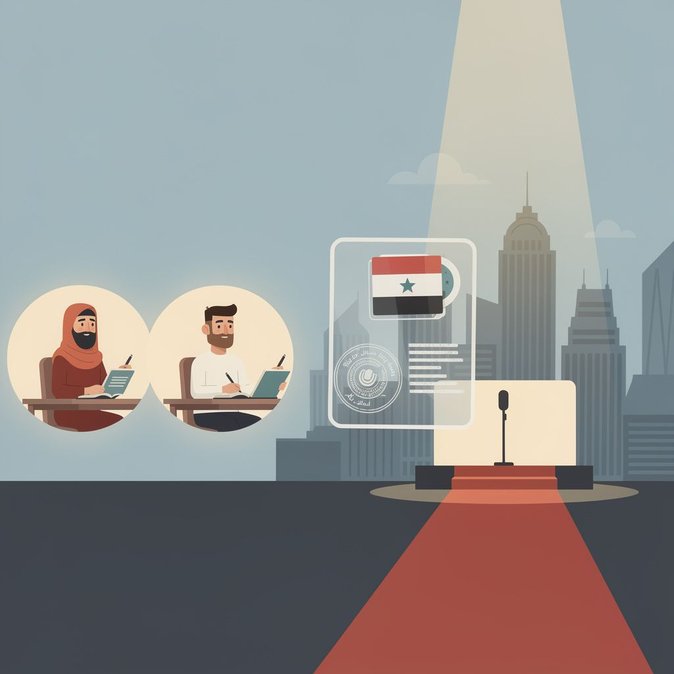
The National Book Foundation affirmed its global reach this year, but its celebratory gala in New York on November 18 had two conspicuous absences: Egyptian nonfiction finalist Abdelrahman ElGendy and Syrian author Samar Yazbek, nominated in the translation category, were both refused U.S. visas in the weeks leading up to the ceremony. The State Department declined to discuss individual refusals, issuing only a boiler-plate statement that visas are “a privilege, not a right.” Publishing insiders say refusals of high-profile cultural figures are rare and signal a tougher adjudication environment since President Trump’s 2025 return to the White House. Consular officers now apply enhanced ideological vetting standards that ask writers and artists about prior political activism and social-media posts. Advocates fear the policy chills the free exchange of ideas and diminishes U.S. cultural soft power. For corporate mobility managers, the incident is another reminder that even short-term B-1/B-2 or P-category cultural visas face heightened scrutiny. Companies planning global conferences or product launches in the U.S. should build in longer lead times, prepare detailed itineraries and be ready to escalate refusals through legal counsel or congressional channels. The National Book Awards pivoted quickly, arranging remote video feeds so the authors could address the banquet from Cairo and Paris. Yet organizers lamented that the networking, media interviews and publisher meetings that drive book sales and translation rights were lost. The episode underscores how visa policy reverberates beyond politics, shaping America’s standing as a crossroads for global talent.
Source: Associated Press