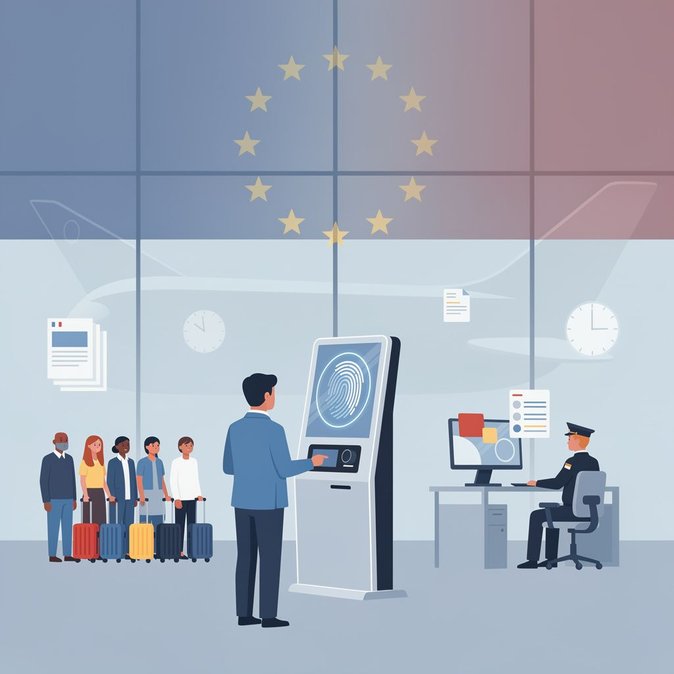
After two years of preparation, the European Union’s long-awaited Pact on Migration and Asylum became legally binding at midnight on 12 June 2026. While the new framework applies to all 27 member states, France—Europe’s most visited country and a major external-border hub—faces some of the most immediate operational challenges. Under the pact, authorities at French airports, ports and land borders must create a single biometric file for every non-EU national who enters, refuse entry or fast-track inadmissible cases within five days, and shorten appeal deadlines for negative asylum decisions. The French Interior Ministry has deployed an extra 500 police and gendarmes to Charles-de-Gaulle, Orly, Marseille and Lyon airports and expanded detention capacity in Calais and Menton. Digital interfaces between the Schengen Information System (SIS), Eurodac and France’s ADAGe (Application Dématérialisée des Autorisations Globales) were stress-tested overnight. Business-travel analysts say the shift has two big implications. First, non-EU executives who make frequent short trips to French HQs may now have to schedule longer airport dwell times because each passport will be paired with live fingerprints and a facial scan the first time they cross the border after 12 June. Second, global mobility managers must track a new “solidarity mechanism” that can require companies to help relocate staff if their French work-permit application is redirected to another EU state under relocation quotas. Politically, the timing is combustible. France holds the G7 summit in Évian next week and legislative elections loom in September, with hard-right parties already framing the pact as “too soft” and human-rights NGOs denouncing it as “Fortress Europe 2.0.” Interior Minister Laurent Nuñez insists the rules are both ‘‘firm and fair’’ and will “restore citizens’ confidence in European borders while safeguarding the right to asylum.” For employers, immediate action points include briefing travelling staff about longer immigration formalities, auditing posted-worker files against the pact’s new returns-decision deadlines, and updating crisis-response plans in case trans-channel routes face ad-hoc inspections. Immigration counsel also recommend reviewing French secondment letters: if an assignee spends days in detention pending screening, salary continuance clauses could become critical.
Source: Reuters via Internazionale