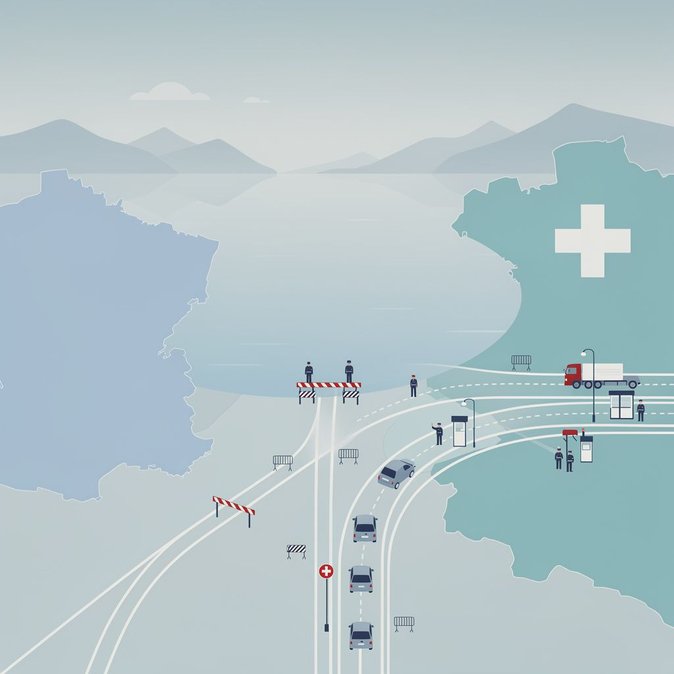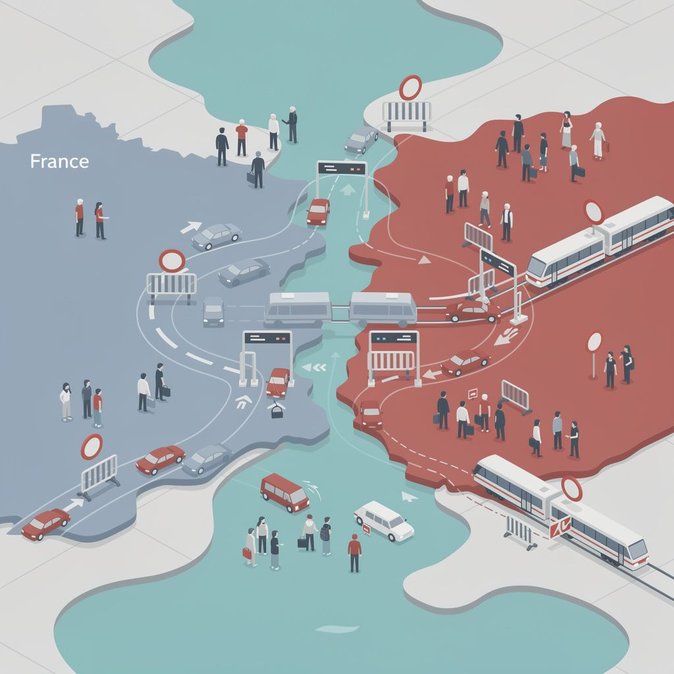
Cross-border commuters around Lake Geneva woke up on 11 June to a very different routine: 21 of the 28 road crossings between France and Switzerland were shut and full passport checks reinstated. The temporary controls, authorised under Schengen rules, will remain in place until 18 June to secure the G7 leaders’ summit in Évian-les-Bains. Swiss authorities have deployed up to 5 000 troops, while France has mobilised 6 100 gendarmes and 1 400 vehicles. Rail is also hit: Léman Express services and TER links between Évian and Thonon are suspended. The Haute-Savoie prefecture is urging employers to activate tele-work, but health-care staff and Geneva Airport shift-workers are struggling to obtain the new “Pass G7” laissez-passer in time. Business impact is immediate. Logistics firms report rerouting costs of €250–€400 per truck as drivers detour to the seven crossings still open (Ferney-Voltaire and Bardonnex among them). Multinationals with split sites in Geneva and Annecy have warned of project delays and overtime bills as transits that normally take 20 minutes now exceed two hours during rush hour. The episode is a live stress-test for Schengen’s internal-border safeguard clause ahead of this summer’s Paris Olympics. Mobility managers should review contingency plans for urgent assignments, stockpile inventory on both sides of the border, and brief travellers to carry passports even if they hold EU ID cards. Officials on both sides insist the measures will be lifted promptly on 18 June, but unions representing customs officers have hinted the operation could be extended if protests erupt during the summit—adding another variable for cross-border workforces.
Source: Euronews