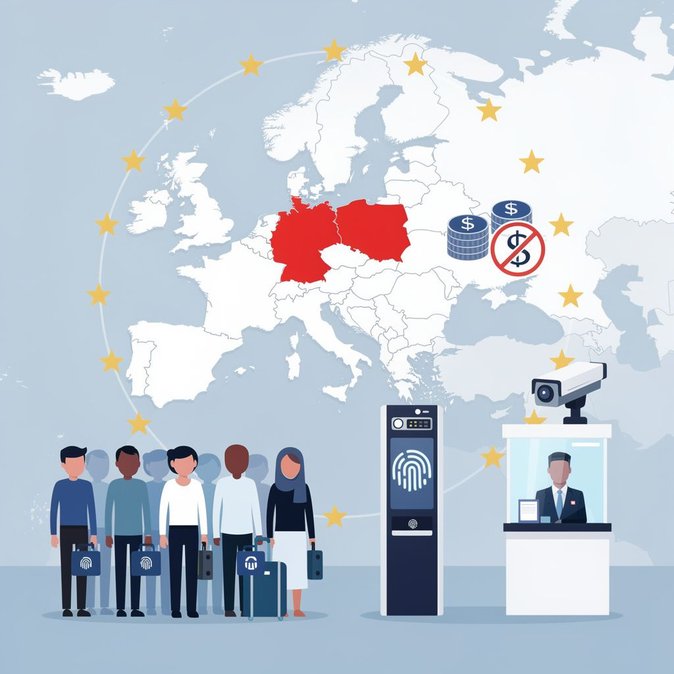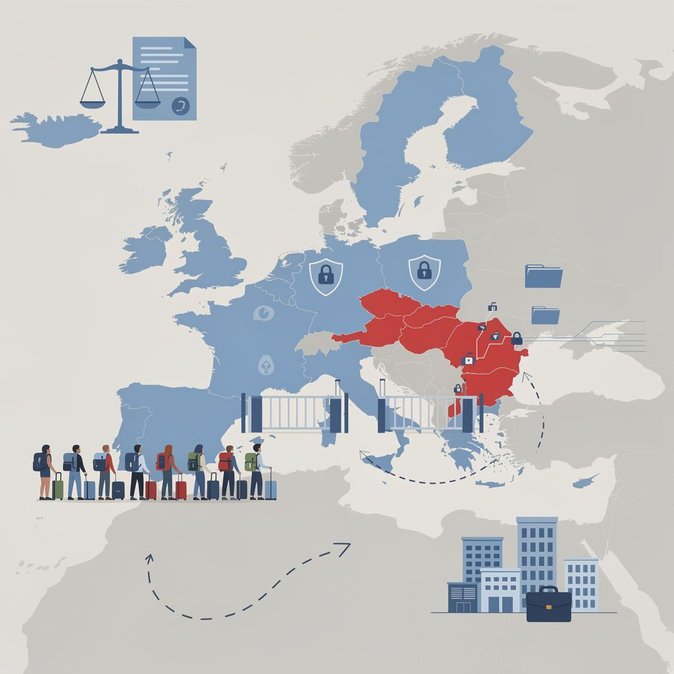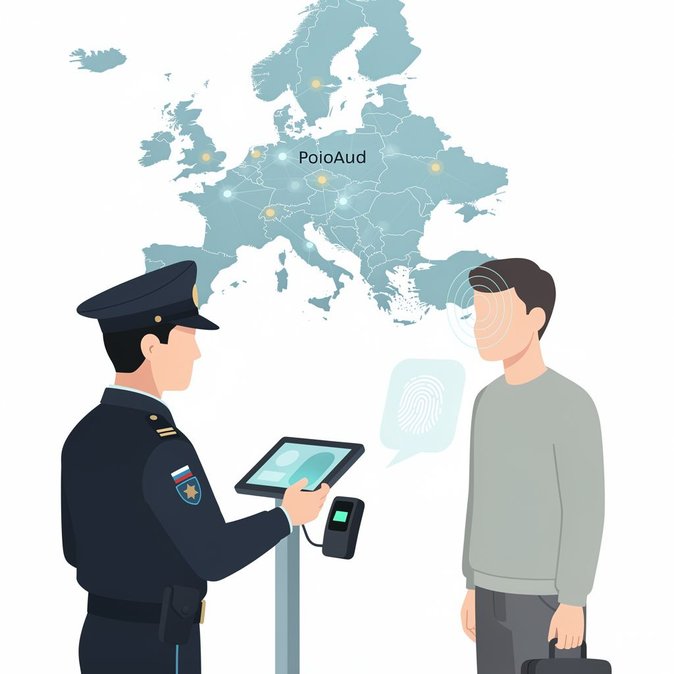
On 11 June the Chiefs of Poland’s National Police and Border Guard inked a cooperation agreement governing how the two forces will collect and upload fingerprints, facial images and document scans to the upgraded Eurodac 2.0 database that all EU states must start using from 12 June. The accord standardises the Web-User-Interface workflow, assigns quality-control roles to the Central Forensic Laboratory and sets response-time targets of 60 minutes for identification hits. Eurodac 2.0 expands beyond asylum applicants to include third-country nationals caught overstaying or entering irregularly, as well as unknown-identity suspects in serious crime cases. Polish authorities will therefore capture biometrics not only at border posts but during inland checks such as traffic stops or workplace inspections. For multinational employers the biggest change is that any staff member found without valid documents can now be fingerprinted on the spot, with data automatically compared across EU systems. A mismatch could trigger alerts in other member states, potentially affecting future visa applications. Companies should update privacy notices and advise assignees that biometric collection is legally mandated. The agreement also paves the way for airport kiosks that will enrol travellers in under two minutes, a project co-funded by the EU’s Internal Security Fund. Airport operators in Warsaw and Kraków expect installation to finish by October, after which carriers must integrate the new process into ground-handling SOPs. Civil-liberty groups welcomed transparency around data quality but warned of function creep if access is later extended to tax or welfare agencies. The Interior Ministry insists use will remain confined to migration and public-order purposes.
Source: Policja.pl