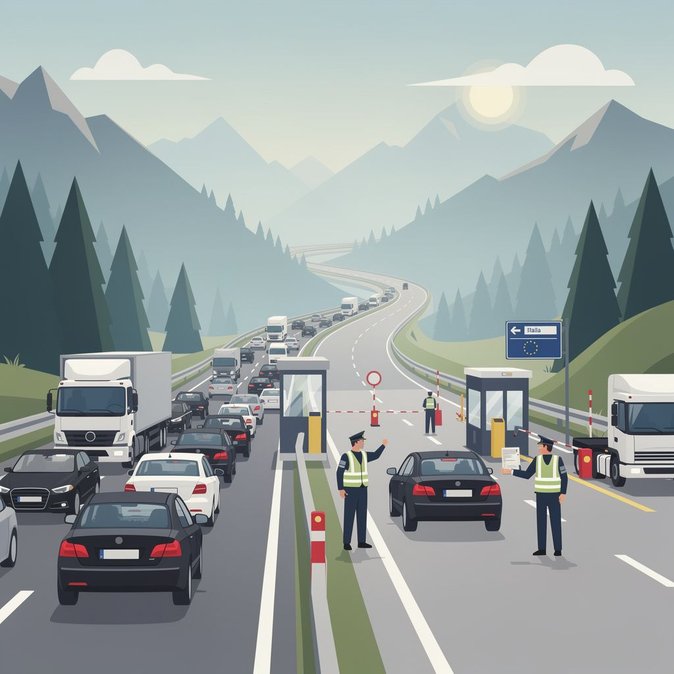
Two days after the EU’s re-engineered Common European Asylum System (GEAS) entered into force, hopes in Rhineland-Palatinate (RLP) of a quick return to open borders have been dashed. In a statement to SWR Aktuell on 13 June, the federal Interior Ministry confirmed that Germany’s land-border controls—originally billed as a stop-gap—will stay in place at least until 15 September 2026. The decision frustrates daily commuters and exporters in the tri-border region with France, Luxembourg and Belgium. The state’s Minister-President Gordon Schnieder (CDU) backs the extension, arguing the new EU screening procedures need time to work before domestic controls can be lifted. By contrast, local SPD and Green politicians accuse Berlin of “symbolic nationalism” that undercuts Schengen freedoms and costs RLP firms millions in lost productivity. Under GEAS, asylum claims should be processed at the EU’s external frontiers, with a solidarity mechanism re-allocating recognised refugees. That logic, critics say, removes the legal basis for checking travellers on the Lauterbourg bridge or the A60 motorway. Business groups warn that lingering spot checks undermine the region’s integrated labour market, where 48,000 people cross the border for work every day. Trucking companies have already adjusted routings to avoid the worst queues, but supply-chain managers complain they receive control-zone notices at short notice, making just-in-sequence delivery harder. Tourism operators fear that summer visitors from neighbouring countries may pick alternative destinations if tailbacks persist. Unless Interior Minister Alexander Dobrindt changes course, the next review will come only days before the autumn manufacturing peak. Employers are lobbying the Bundestag’s transport committee to demand impact assessments and a transparent draw-down calendar.
Source: SWR Aktuell