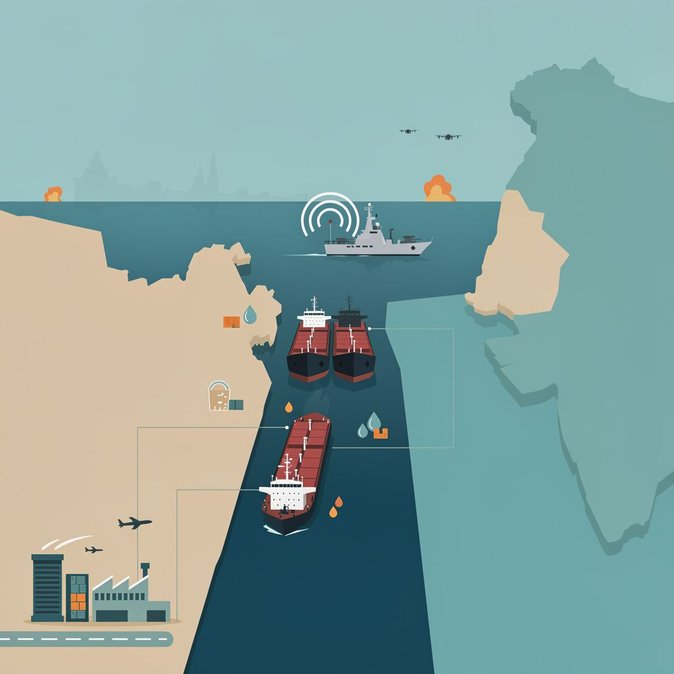
India is preparing to dispatch state-owned oil tankers through the Strait of Hormuz for the first time since Iran’s closure of the waterway on 28 February 2026, according to an exclusive Business Standard report published on 13 June. Shipping ministry officials said the decision follows intelligence that commercial convoys may be allowed under multinational naval escort, with war-risk premiums down from April’s peak but still eight times pre-war levels. The move is driven by India’s need to stabilise crude supplies before the onset of the monsoon, when domestic refinery maintenance schedules narrow import windows. Reliance Industries and Indian Oil Corporation have tentatively booked three VLCCs to load from Abu Dhabi and Kuwait in early July, contingent on corridor security clearances. If successful, the transits could shave $2–3 per barrel off freight surcharges compared with the expensive Cape-of-Good-Hope detour that India has relied on for the past 100 days. Analysts estimate that every month of Hormuz disruption adds roughly $850 million to India’s import bill and complicates jet-fuel availability for airlines already cutting international flights. However, insurers remain cautious. London-based P&I clubs are insisting on armed guards and heightened ‘Orange Alert’ protocols, while Indian seafarer unions have demanded doubled danger pay. Any attack on an Indian-flagged vessel could quickly force a policy reversal and reignite fuel-price volatility. Global mobility managers should monitor bunker-surcharge clauses in airline and freight contracts, as a successful reopening could gradually normalise fares and shipping costs over the next quarter.
Source: Business Standard