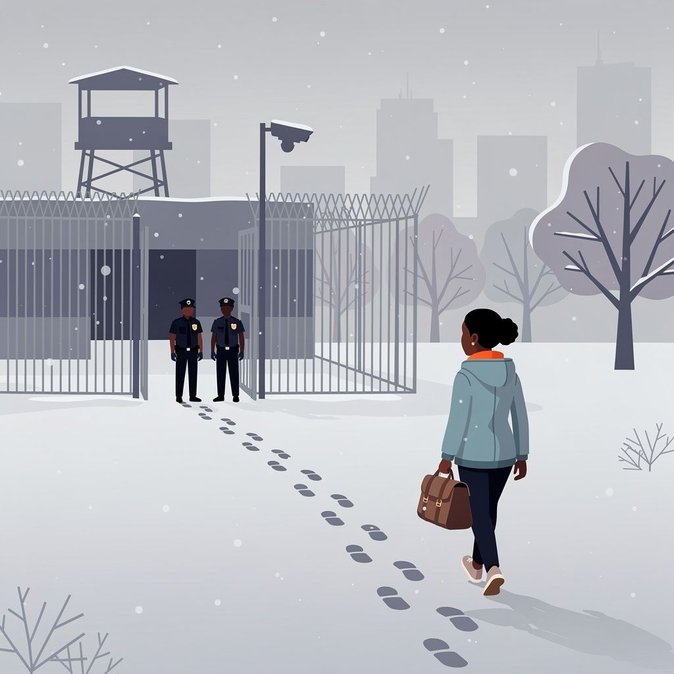
Allegheny County medical examiners on 13 June ruled that the fatal hypothermia of Daphy Michel—a 31-year-old Haitian asylum seeker found at a Pittsburgh bus shelter in March—was a homicide attributable to the actions of others. Michel had been released from ICE custody three days earlier wearing only light clothing and an ankle monitor despite sub-freezing temperatures and documented mental-health issues. ICE insists it had “nothing to do” with Michel’s death, noting that she had transportation options and a charged phone upon release. Family attorney Joseph Murphy counters that the agency failed to ensure safe hand-off or provide shelter for a vulnerable individual with no local support network. County Executive Sara Innamorato called the case “completely avoidable,” and Rep. Summer Lee (D-PA) said she is exploring federal oversight hearings. The tragedy coincides with ICE’s quiet rollback of a 2021 policy requiring the agency to publicly report any detainee deaths within 30 days of custody release. Health experts argue the change obscures the true human-rights picture in immigration detention. For global mobility and corporate travel teams, the case is a stark reminder that vulnerable foreign nationals may slip through safety nets during enforcement actions. Companies arranging travel or housing for parolees should verify post-release support, particularly for individuals with medical or mental-health conditions. Civil-rights groups are preparing a wrongful-death lawsuit and pushing Congress to mandate post-release welfare checks. If successful, such reforms could impose new obligations—and potential liabilities—on detention facilities and contractors involved in immigrant transportation.
Source: WSLS / Associated Press