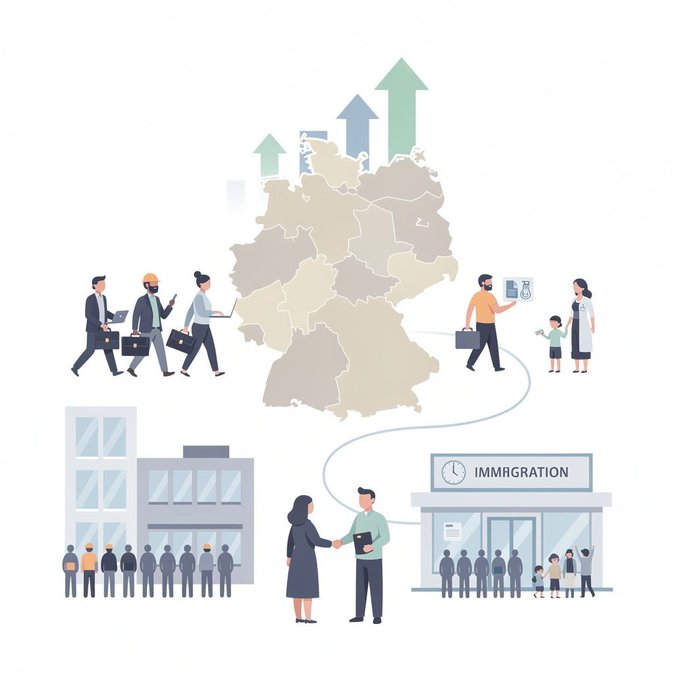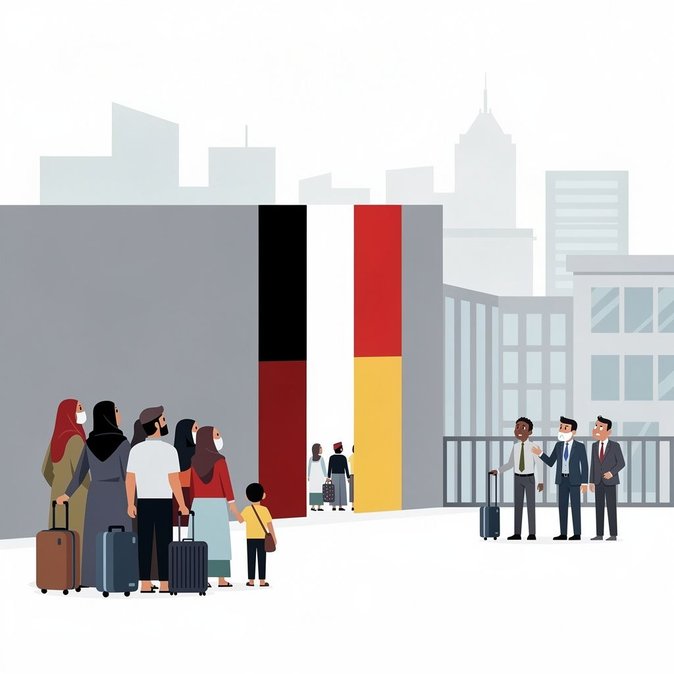
A year after Germany suspended family reunification for refugees with subsidiary protection, a Merkur analysis finds overall visa numbers barely changed, even as approvals for Syrians and Afghans halved. From July 2025 to June 2026, embassies issued 63 200 family-reunion visas, compared with 120 000 in the whole of 2024, but only 8 % of last year’s cases had involved the now-affected group. Where the impact is stark is in humanitarian ‘hardship’ waivers: of nearly 4 800 requests lodged with the Foreign Office, only seven were approved – five of them after court orders.
At a time when families and HR departments face such uncertainty, visa facilitation platforms like VisaHQ can offer critical support. Through its Germany portal (https://www.visahq.com/germany/), the service keeps track of up-to-the-minute policy changes, assembles the correct documentation for hardship applications or employment-linked visas, and connects applicants with consulates worldwide, helping them avoid costly mistakes under the tightened regime.
NGOs such as PRO ASYL call the policy a “Familienzerstörungsgesetz”, arguing it pushes desperate families onto irregular routes. The Interior Ministry counters that limiting reunification for temporary-status holders reduces ‘pull factors’ and aligns Germany with other EU states. Still, migration scholars note that cutting legal pathways may increase irregular crossings, offsetting any gains. For employers the freeze complicates retention of refugee employees who cannot bring spouses or children, raising absenteeism and relocation risk. Some firms have begun funding private visa counsel or lobbying for narrowly tailored exemptions for key workers. Parliament is expected to review the measure in October as part of a wider asylum-package evaluation.
At a time when families and HR departments face such uncertainty, visa facilitation platforms like VisaHQ can offer critical support. Through its Germany portal (https://www.visahq.com/germany/), the service keeps track of up-to-the-minute policy changes, assembles the correct documentation for hardship applications or employment-linked visas, and connects applicants with consulates worldwide, helping them avoid costly mistakes under the tightened regime.
NGOs such as PRO ASYL call the policy a “Familienzerstörungsgesetz”, arguing it pushes desperate families onto irregular routes. The Interior Ministry counters that limiting reunification for temporary-status holders reduces ‘pull factors’ and aligns Germany with other EU states. Still, migration scholars note that cutting legal pathways may increase irregular crossings, offsetting any gains. For employers the freeze complicates retention of refugee employees who cannot bring spouses or children, raising absenteeism and relocation risk. Some firms have begun funding private visa counsel or lobbying for narrowly tailored exemptions for key workers. Parliament is expected to review the measure in October as part of a wider asylum-package evaluation.