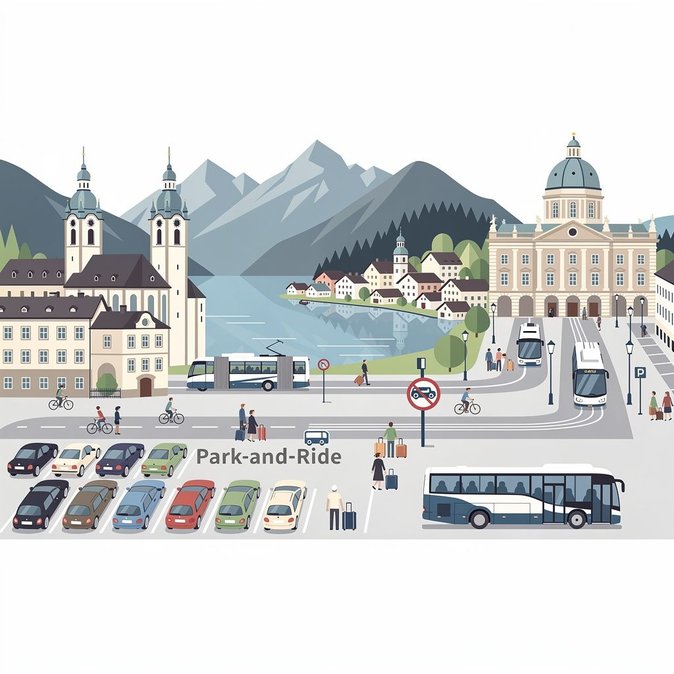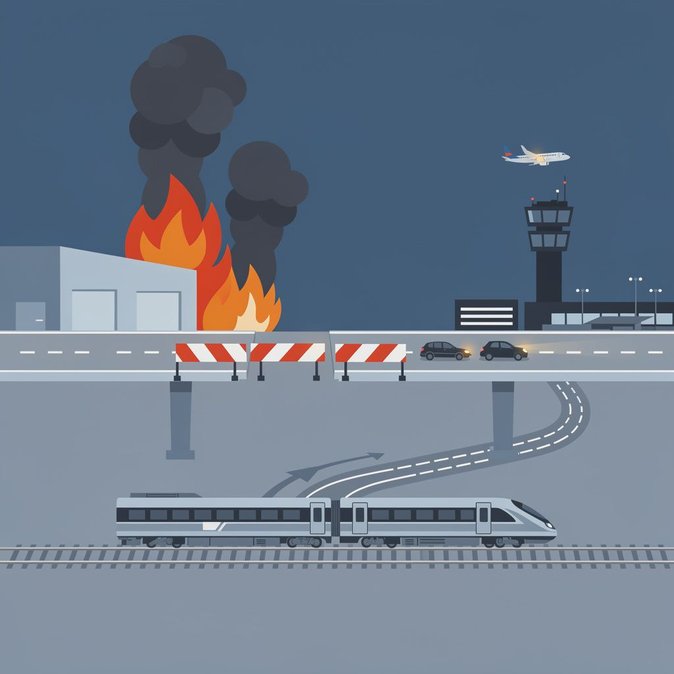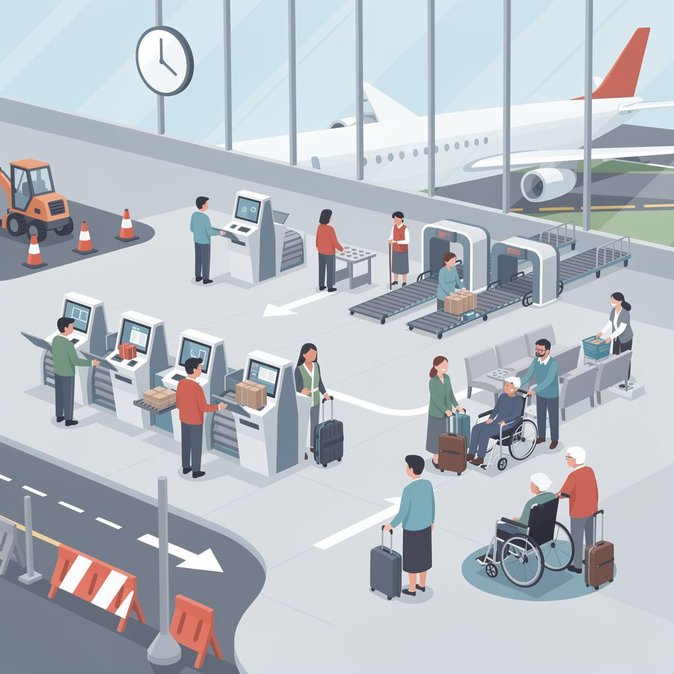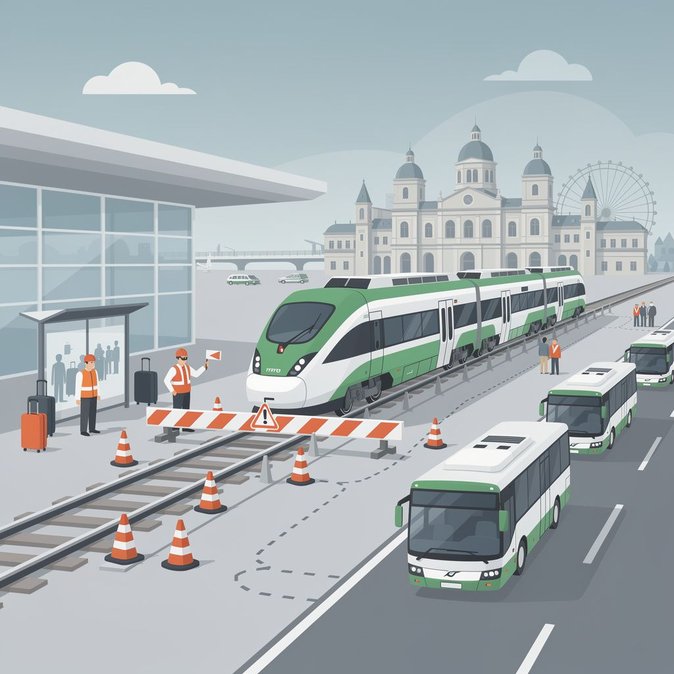
Business travellers landing in Vienna will need to rethink their airport transfer plans from 7 September 2026. On that date the central section of Vienna’s S-Bahn trunk line between Wien Praterstern and Vienna Hauptbahnhof closes for a 13-month modernisation, severing the track that the non-stop City Airport Train (CAT) and the S7/REX7 airport services normally use. The tourism board confirmed the works on 4 July 2026 and published detailed replacement options. The headline change is that the CAT brand will survive as a fleet of premium, luggage-friendly coaches running up to five times an hour between Vienna Airport and Wien Mitte/Landstraße. Journey time will be similar to today’s 16-minute rail run and tickets and seat reservations remain valid, but the convenient City Check-In desks at Wien Mitte will be suspended. Railjet and Intercity trains will still reach the Hauptbahnhof every 30 minutes, while regional REX7 services will divert to St. Marx, requiring a tram or bus hop into the city centre. ÖBB says the shutdown is unavoidable: the two-track tunnel under the Gürtel dating from the 1960s must be waterproofed, signalled for ETCS and fitted with new power and ventilation systems ahead of the 2027 introduction of high-capacity S-Bahn services. Construction is timed for the September-to-October shoulder season to avoid the worst summer peaks yet still finish before Vienna hosts the 2027 World Expo bid events. For mobility managers the message is clear: update employee travel policies now. Travellers connecting to early meetings in the city’s central business district should allow at least 15 extra minutes and verify whether their hotel is closer to Wien Mitte or the Hauptbahnhof. Those relying on the CAT’s airline check-in should switch to airport bag-drop or use Railjet to the Hauptbahnhof where most carriers have ticket desks. Companies with frequent visitors may want to pre-book private shuttles during the transition period. The closure also has tax implications. Premium CAT bus tickets still count as public transport under Austria’s commuter allowance, but taxi or app-ride alternatives do not. Travel administrators should make the distinction explicit in expense guidelines to avoid rejected claims.
Source: Vienna Tourist Board