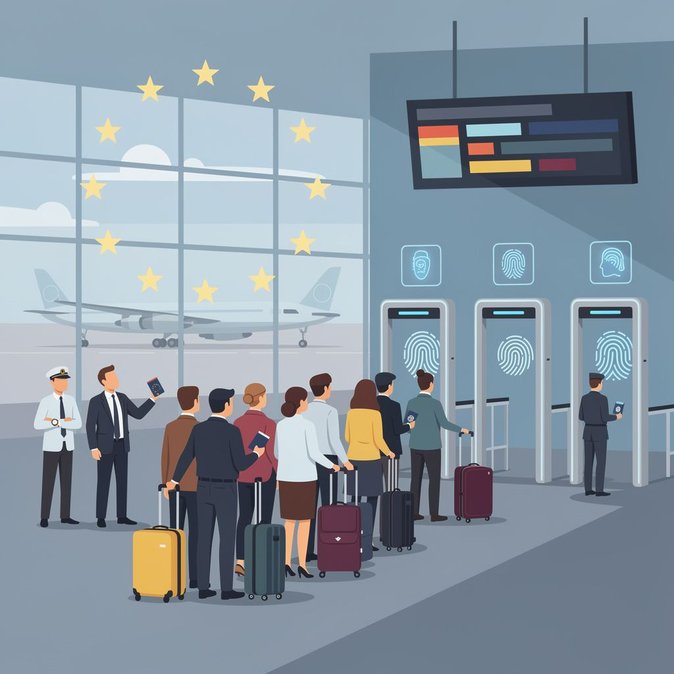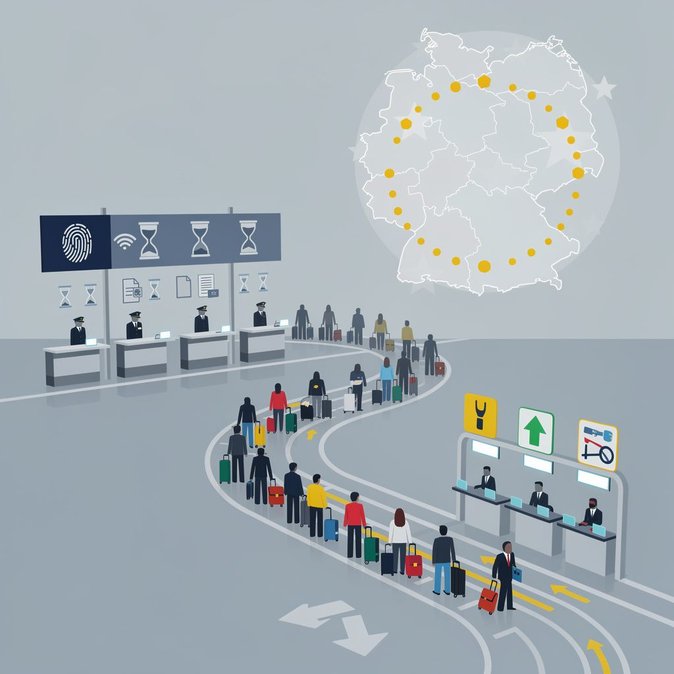
With the EU’s wide-ranging Pact on Migration and Asylum taking effect in **June 2026**, Germany’s Federal Office for Migration and Refugees (BAMF) is racing to clear a backlog of 144,000 cases and to build new border-procedure facilities. An in-depth explainer published on 6 July by German Online Tests outlines how the country plans to operationalise mandatory fast-track screenings at its airports and land borders. Under the new Asylum Procedure Regulation (EU 2024/1348), certain applicants—such as those from recognised safe countries or with manifestly unfounded claims—must receive a first-instance decision within 12 weeks, often while held in designated zones. Free legal counselling and representation will become compulsory, but so will swift returns for rejected cases. For employers this matters in two ways. First, the reform explicitly discourages the misuse of asylum channels for labour migration; companies should therefore channel candidates through the Skilled Immigration Act (Blue Card, Section 19c IT, Opportunity Card) and not “try their luck” via humanitarian routes. Second, staff who travel to or through external Schengen borders may experience longer queues as biometric systems and screening interviews roll out. Travel managers are advised to budget an extra 30–45 minutes at Frankfurt and Munich airports from July onward. Politically, Berlin has so far ruled out UK-style “offshore processing” centres, but the idea of EU-level ‘return hubs’ remains on the table. Legal NGOs are preparing test cases to challenge any extensive use of border detention. Companies relocating humanitarian transferees should work closely with specialised law firms: failure to meet the tighter document deadlines will now trigger automatic inadmissibility decisions, leaving applicants with entry bans of up to three years.
Source: German Online Tests