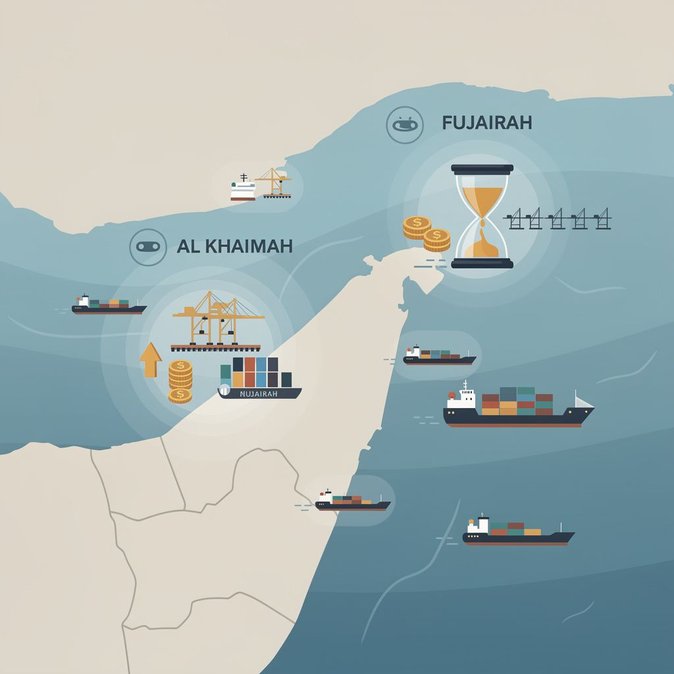
Lloyd’s List’s 8 July Middle East port bulletin paints a reassuring – but nuanced – picture for logistics and mobility planners whose supply chains run through the Emirates. Every commercial port in the UAE, from Fujairah Oil Tanker Terminal to Abu Dhabi’s Khalifa Port, is open with no war-risk closures despite ongoing tensions in the Gulf. However, the Ras Al Khaimah (RAK) Ports Group has announced a new ‘Marine Risk Surcharge’ applicable to all vessels calling at its harbours, anchorages and approaches. The fee, which comes into force immediately, reflects higher insurance premiums and security measures linked to GPS spoofing incidents off Fujairah. While passenger mobility is less affected than freight, the surcharge could indirectly raise project-logistics costs for multinationals moving heavy equipment – and their technical staff – through RAK for northern-emirates infrastructure jobs. The same update confirms that Ship-to-Ship (STS) transfers have resumed in Dubai anchorage, albeit under strict tug-assisted protocols, and that Dubai International Airport “has resumed operations” after last week’s drone-threat ground stop. Mariners are warned of three-week berth waits for break-bulk cargo at Fujairah, so relocation teams shipping household containers should plan buffer time. From a duty-of-care standpoint, Inchcape Shipping Services – Lloyd’s agent for the UAE – continues to list the national ISPS security level at Level 1 (normal). Airspace across the Emirates remains open, and AD Ports Group reports full functionality at all Abu Dhabi facilities. For global-mobility managers, the headline is stability: assignees, corporate jet movements and sea-freight of personal effects can proceed, but budgets should accommodate the new RAK surcharge and potential schedule slippage on Fujairah berths.
Source: Lloyd’s List