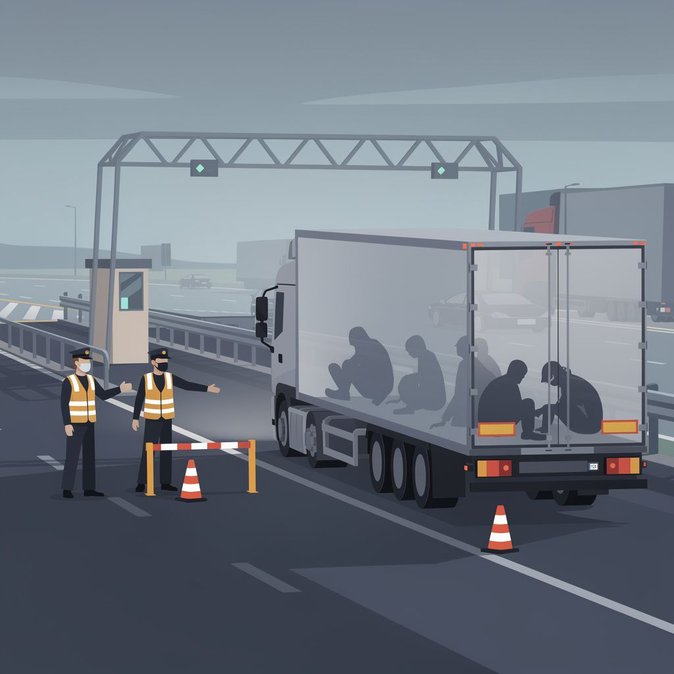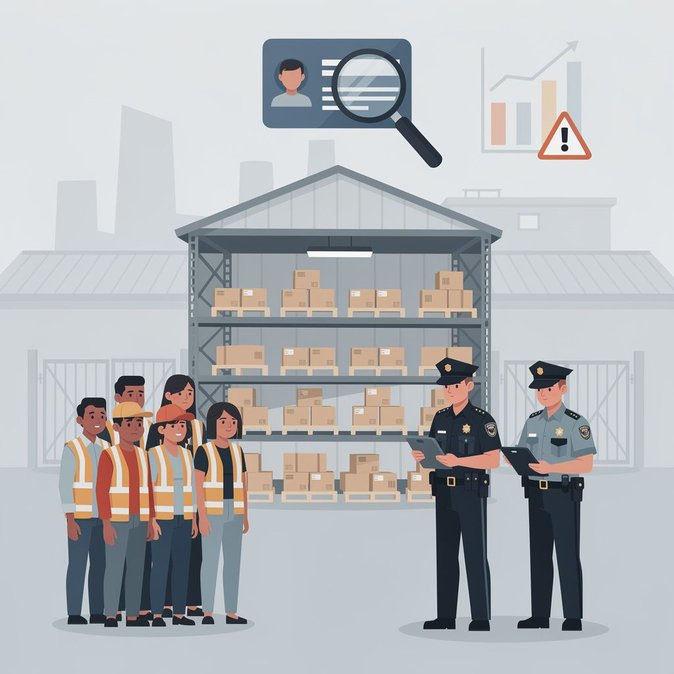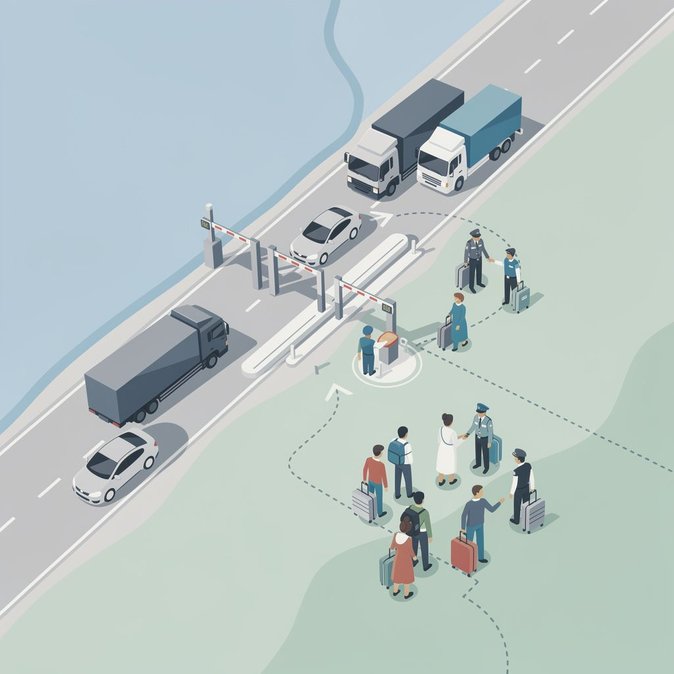
Exactly one year after Poland re-imposed controls on its land border with Lithuania, the Podlaskie Border Guard has published eye-catching statistics. Between 7 July 2025 and 7 July 2026 officers examined more than 1.7 million people and 930 000 vehicles heading south, refusing entry to over 1 060 travellers—mostly for missing documents, expired visas or overstayed Schengen allowances. Readmission procedures were equally busy: more than 1 100 migrants caught on Polish soil were transferred back to Lithuania. Thirteen control points—including restored Budzisko and Ogrodniki crossings and the Trakiszki rail post on the Kaunas–Kraków line—now form the backbone of the operation. Controls will remain until at least 1 October 2026 under a government ordinance aimed at curbing what Warsaw calls “the Baltic route” used by facilitators operating out of Belarus and Russia. For companies moving freight between the Baltic states and Polish hubs such as Białystok and Warsaw, delays have averaged 30–50 minutes, according to the Road Transport Association. Drivers are advised to arrive with passports and CMR documents ready; third-country nationals must have proof of onward travel and accommodation to avoid on-the-spot refusals. The year-end data show a shift in migrant profiles: whereas Syrians and Iraqis dominated 2025 interceptions, 2026 has seen more Indians, Sri Lankans and Vietnamese attempting to transit via Lithuania. Polish authorities say biometric verification under the EU’s EES has helped identify repeat offenders and forge stronger evidence chains for readmission. Border experts believe the Lithuanian controls are a template for other Schengen-internal checks where hybrid pressures persist. Multinationals with staff commuting across the frontier should update travel policies and consider e-visa support where applicable.
Source: Podlaskie Border Guard