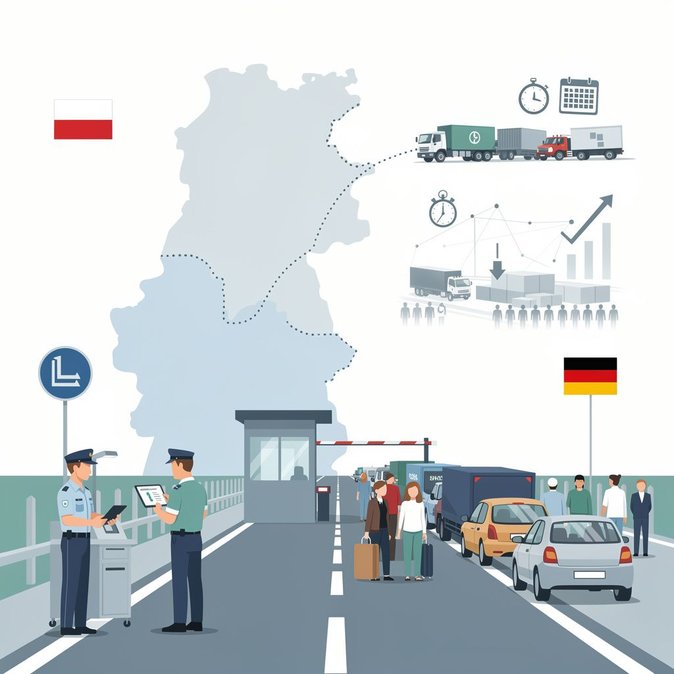
Poland’s western frontier marked a milestone this week: twelve months of reinstated border controls with Germany. Re-introduced on 7 July 2025 amid a surge in irregular crossings, the measures have transformed the 170-kilometre West Pomeranian stretch into a daily checkpoint manned by the Maritime Border Guard, police, territorial troops and customs officers. In the first year officers inspected more than 1.1 million people and 520 000 vehicles; 165 travellers—mainly from Ukraine, Syria, India and Russia—were refused entry for lacking valid documents or overstaying prior visas.
Travellers keen to avoid that fate can tap VisaHQ’s online platform, which explains Poland’s current entry rules, visa categories and transit requirements in plain language. The service guides users through applications, tracks policy updates like these renewed border checks, and can even organise courier delivery of approved documents—providing peace of mind before you set off toward the frontier.
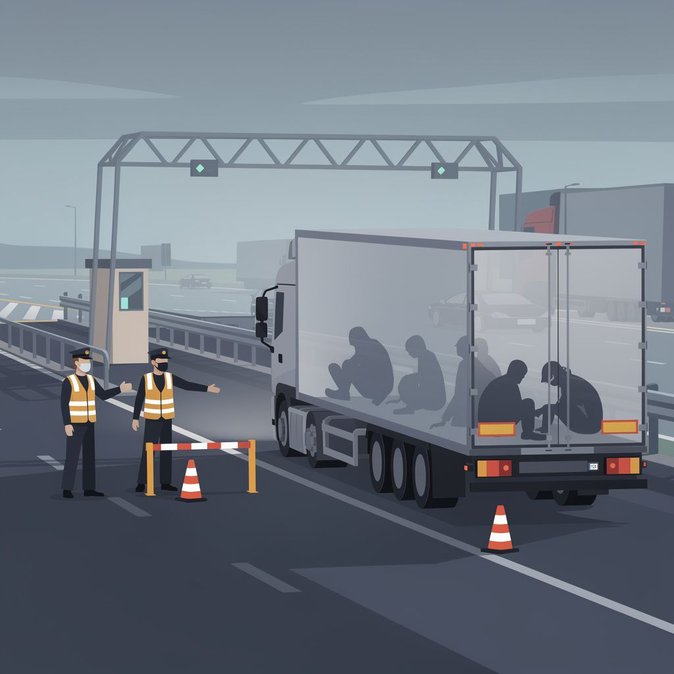
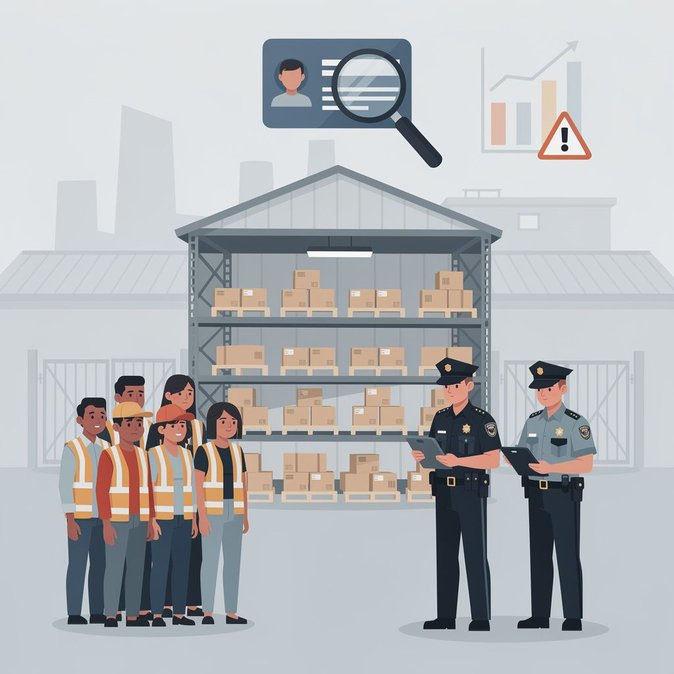
Beyond routine passport checks, the operation targets smuggling networks. Thirty-five suspected facilitators were arrested for shuttling 115 migrants from as far afield as Afghanistan, Somalia and Eritrea. Courts have ordered many into pre-trial detention, while others face police supervision and hefty bail. Migrants caught en route are issued return orders—often with decade-long Schengen bans—and, where possible, handed back to Germany or Lithuania under readmission rules. Officials credit the controls with a 40 % drop in detected illegal crossings compared with the previous year. Businesses have felt the impact mainly through longer queues on the A11 and regional rail lines, prompting logistics firms to add an extra half-day to delivery timetables. Yet exporters say predictability has improved since inspection patterns were published in May, allowing drivers to pre-book slots. With the regulation now extended until 1 October 2026, companies reliant on “just-in-time” supply chains should build border buffers into schedules and remind non-EU staff to carry proof of residence. The Interior Ministry has hinted that automated licence-plate readers and the EU’s Entry/Exit System (EES) will gradually replace manual checks—potentially shortening waits ahead of the Christmas peak. In the medium term, Warsaw is expected to lobby Brussels for EU funding to offset policing costs and develop joint mobile patrols with German counterparts. Whether the controls become permanent will hinge on migration flows after summer, but for now the message is clear: travellers entering from Germany should be prepared for document inspections that feel more like an external Schengen frontier than an open intra-EU road.
Travellers keen to avoid that fate can tap VisaHQ’s online platform, which explains Poland’s current entry rules, visa categories and transit requirements in plain language. The service guides users through applications, tracks policy updates like these renewed border checks, and can even organise courier delivery of approved documents—providing peace of mind before you set off toward the frontier.
Beyond routine passport checks, the operation targets smuggling networks. Thirty-five suspected facilitators were arrested for shuttling 115 migrants from as far afield as Afghanistan, Somalia and Eritrea. Courts have ordered many into pre-trial detention, while others face police supervision and hefty bail. Migrants caught en route are issued return orders—often with decade-long Schengen bans—and, where possible, handed back to Germany or Lithuania under readmission rules. Officials credit the controls with a 40 % drop in detected illegal crossings compared with the previous year. Businesses have felt the impact mainly through longer queues on the A11 and regional rail lines, prompting logistics firms to add an extra half-day to delivery timetables. Yet exporters say predictability has improved since inspection patterns were published in May, allowing drivers to pre-book slots. With the regulation now extended until 1 October 2026, companies reliant on “just-in-time” supply chains should build border buffers into schedules and remind non-EU staff to carry proof of residence. The Interior Ministry has hinted that automated licence-plate readers and the EU’s Entry/Exit System (EES) will gradually replace manual checks—potentially shortening waits ahead of the Christmas peak. In the medium term, Warsaw is expected to lobby Brussels for EU funding to offset policing costs and develop joint mobile patrols with German counterparts. Whether the controls become permanent will hinge on migration flows after summer, but for now the message is clear: travellers entering from Germany should be prepared for document inspections that feel more like an external Schengen frontier than an open intra-EU road.