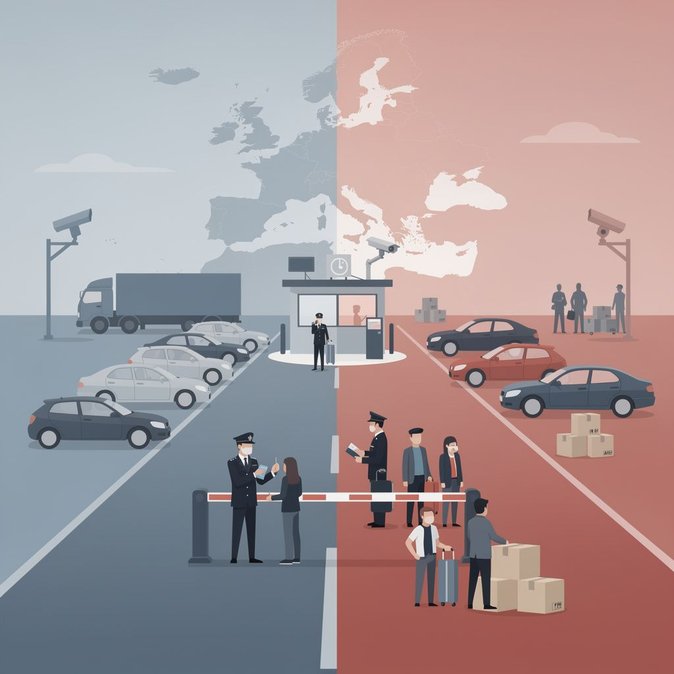
Poland’s Sea Border Guard Command (MOSG) has published detailed statistics marking twelve months since Warsaw re-introduced internal Schengen controls on its 170-kilometre land frontier with Germany. Between 7 July 2025 and 7 July 2026 officers inspected more than 1.1 million people and 520 000 vehicles at road, rail and ferry crossings as well as on adjacent local roads. The operation was mounted after Berlin prolonged its own checks in autumn 2024, citing irregular migration flows; Warsaw replied that symmetrical measures were needed to prevent Poland becoming a back-door route.
According to the report, 165 foreigners were refused entry, most often because they lacked valid passports, Schengen visas or residence permits. The largest groups turned away were citizens of Ukraine, Syria, India, Russia and Vietnam.
In that context, travelers and corporate mobility teams may find it useful to consult VisaHQ’s Poland portal. The service allows users to verify whether a Schengen visa or other travel document is required, pre-screen applications for completeness and track processing in real time—helping to reduce the risk of being turned back at the Polish-German border as controls continue.
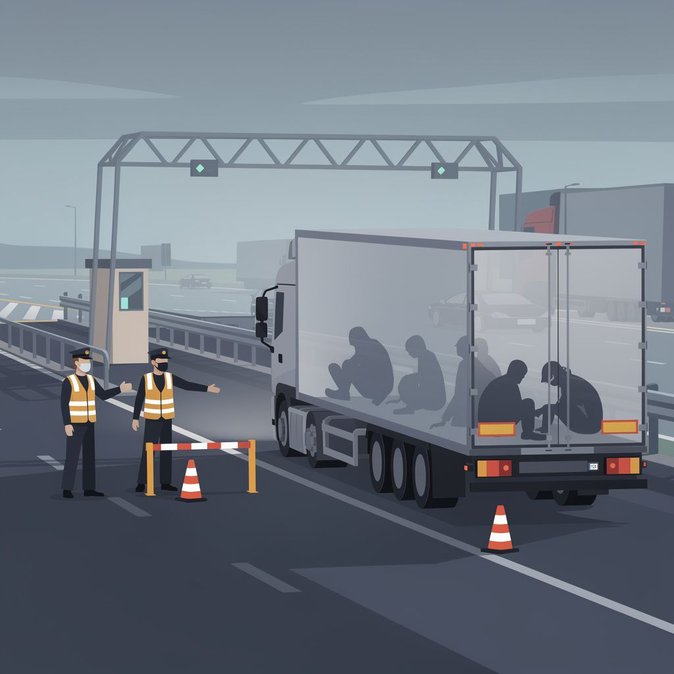
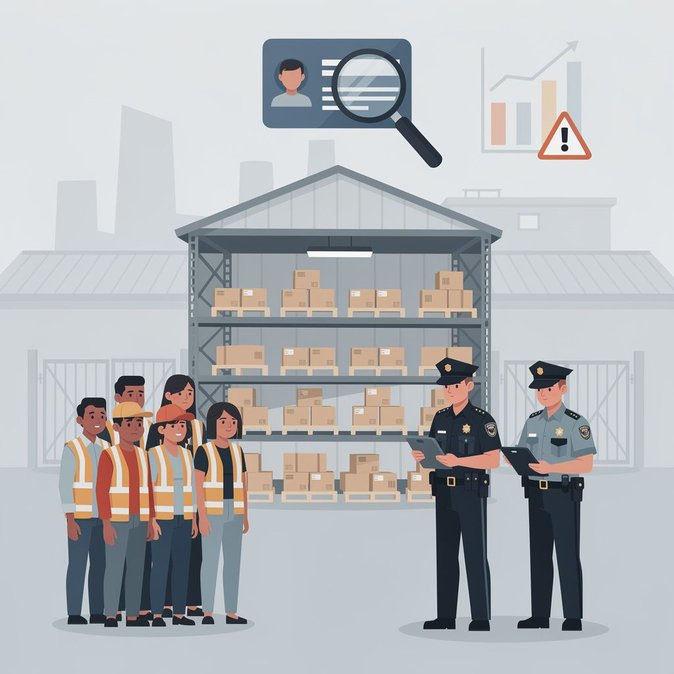
Border guards also disrupted 35 people-smuggling networks, detaining organisers from Ukraine, Poland, Uzbekistan and Belarus who attempted to move 115 migrants from Afghanistan, Somalia, Sudan and other countries across the so-called western Balkan route. The figures illustrate how targeted internal controls—permitted for renewable six-month periods under the Schengen Borders Code—have become a long-term fixture on several EU frontiers. Germany has already rolled its own regime over until at least September 2026, a move criticised by logistics operators who complain about delays on key trans-European freight corridors. Polish data suggest average processing times remain manageable, but hauliers still face spot checks by the Border Guard, police, military gendarmerie and customs, raising compliance costs. For corporate mobility managers the message is clear: employees driving or being chauffeured across the Polish-German land border must carry passports or national ID cards together with proof of legal stay in Schengen (visa, ETIAS approval when launched, or residence card) and expect random inspections. Companies relocating staff to Szczecin, Gdańsk or the industrial hubs of western Pomerania should build extra buffer time into journey plans and ensure third-country nationals’ entry documentation is impeccable. While Warsaw insists the controls are temporary, the one-year milestone and growing migrant pressure on Europe’s eastern flank suggest they are likely to be renewed again. Multinationals should therefore treat them as a semi-permanent element of their mobility risk map and monitor forthcoming Schengen-level debates on ending prolonged internal checks.
According to the report, 165 foreigners were refused entry, most often because they lacked valid passports, Schengen visas or residence permits. The largest groups turned away were citizens of Ukraine, Syria, India, Russia and Vietnam.
In that context, travelers and corporate mobility teams may find it useful to consult VisaHQ’s Poland portal. The service allows users to verify whether a Schengen visa or other travel document is required, pre-screen applications for completeness and track processing in real time—helping to reduce the risk of being turned back at the Polish-German border as controls continue.
Border guards also disrupted 35 people-smuggling networks, detaining organisers from Ukraine, Poland, Uzbekistan and Belarus who attempted to move 115 migrants from Afghanistan, Somalia, Sudan and other countries across the so-called western Balkan route. The figures illustrate how targeted internal controls—permitted for renewable six-month periods under the Schengen Borders Code—have become a long-term fixture on several EU frontiers. Germany has already rolled its own regime over until at least September 2026, a move criticised by logistics operators who complain about delays on key trans-European freight corridors. Polish data suggest average processing times remain manageable, but hauliers still face spot checks by the Border Guard, police, military gendarmerie and customs, raising compliance costs. For corporate mobility managers the message is clear: employees driving or being chauffeured across the Polish-German land border must carry passports or national ID cards together with proof of legal stay in Schengen (visa, ETIAS approval when launched, or residence card) and expect random inspections. Companies relocating staff to Szczecin, Gdańsk or the industrial hubs of western Pomerania should build extra buffer time into journey plans and ensure third-country nationals’ entry documentation is impeccable. While Warsaw insists the controls are temporary, the one-year milestone and growing migrant pressure on Europe’s eastern flank suggest they are likely to be renewed again. Multinationals should therefore treat them as a semi-permanent element of their mobility risk map and monitor forthcoming Schengen-level debates on ending prolonged internal checks.