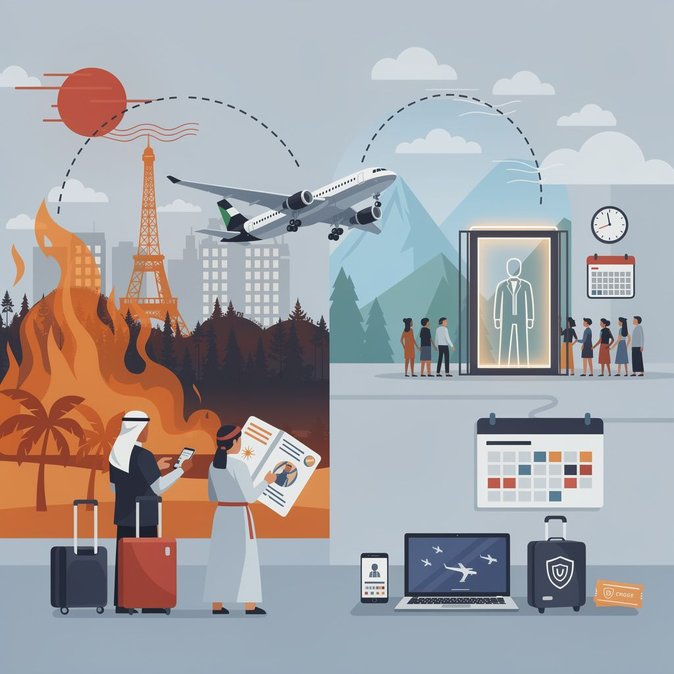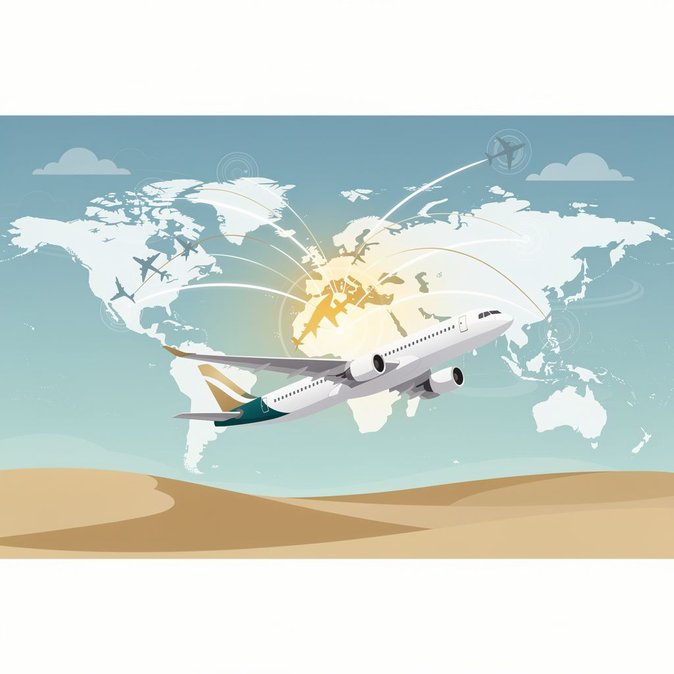
With 90 per cent of their pre-crisis schedules now restored, Emirates, Etihad, flydubai and Air Arabia have overtaken several leading Asian rivals in booking volumes, according to UAE travel agencies analysing mid-June Flightradar24 data. The rebound follows months of reroutings prompted by the Iran-US conflict, which had diverted traffic away from Gulf hubs. As airspace restrictions ease, UAE airports are preparing for up to three million passengers in the first half of July alone.
Amid this surge, obtaining the right travel documents quickly can be challenging. VisaHQ helps passengers and mobility managers by handling UAE visa applications end-to-end through its digital portal, reducing lead times and paperwork; see for details on available services.
Agents say travellers are once again prioritising connectivity, schedule reliability and baggage allowances—areas where the Middle-East “super-connectors” traditionally excel. Competitive pricing remains important, but corporate bookers are increasingly weighing total trip time and product consistency. “When Emirates and Etihad match Asian carriers on fare, the shorter routings via Dubai or Abu Dhabi win the day,” notes Geoffrey Salatan, CEO of Geof Travel. The shift is significant for multinational mobility programmes that rely on Gulf hubs to move staff between Europe, Africa and Asia. Restored frequencies mean more same-day connections, reducing overnight layovers and duty-of-care exposure. Cargo capacity has risen in parallel, supporting time-sensitive corporate relocations and e-commerce shipments. Airlines are nonetheless bracing for geopolitical headwinds. The US-Iran ceasefire remains fragile, and insurers still price premiums for certain routings. Carriers are diversifying fuel uplift points and forward-purchasing SAF (sustainable aviation fuel) to hedge against volatility. For HR mobility heads, the key takeaway is that seat availability on preferred carriers is back—but contingency routing policies should stay in play throughout 2026.
Amid this surge, obtaining the right travel documents quickly can be challenging. VisaHQ helps passengers and mobility managers by handling UAE visa applications end-to-end through its digital portal, reducing lead times and paperwork; see for details on available services.
Agents say travellers are once again prioritising connectivity, schedule reliability and baggage allowances—areas where the Middle-East “super-connectors” traditionally excel. Competitive pricing remains important, but corporate bookers are increasingly weighing total trip time and product consistency. “When Emirates and Etihad match Asian carriers on fare, the shorter routings via Dubai or Abu Dhabi win the day,” notes Geoffrey Salatan, CEO of Geof Travel. The shift is significant for multinational mobility programmes that rely on Gulf hubs to move staff between Europe, Africa and Asia. Restored frequencies mean more same-day connections, reducing overnight layovers and duty-of-care exposure. Cargo capacity has risen in parallel, supporting time-sensitive corporate relocations and e-commerce shipments. Airlines are nonetheless bracing for geopolitical headwinds. The US-Iran ceasefire remains fragile, and insurers still price premiums for certain routings. Carriers are diversifying fuel uplift points and forward-purchasing SAF (sustainable aviation fuel) to hedge against volatility. For HR mobility heads, the key takeaway is that seat availability on preferred carriers is back—but contingency routing policies should stay in play throughout 2026.