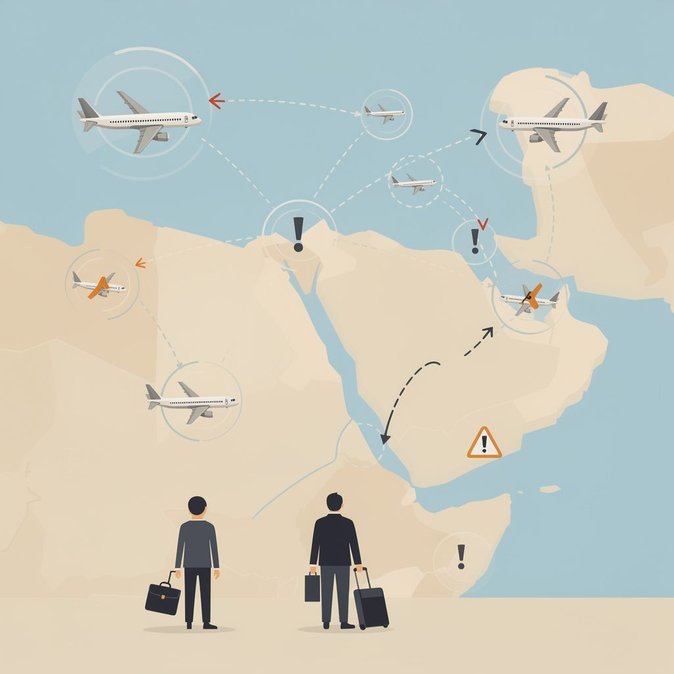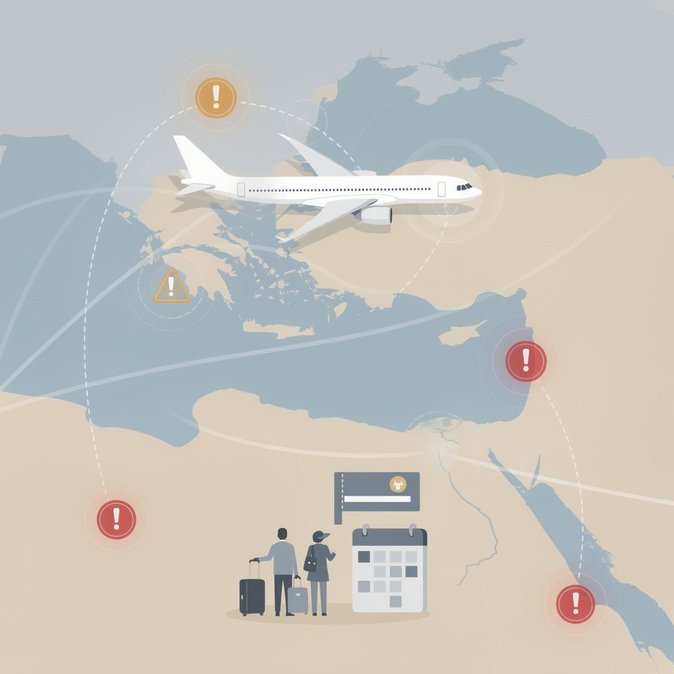
Airlines operating from the UAE began reinstating limited services to Kuwait and Bahrain on July 20 after a night of cancellations, even as the US State Department re-issued a worldwide caution citing “heightened tensions in the Middle East”. Emirates, Etihad and Air Arabia said they were gradually restoring rotations but advised passengers to confirm schedules before leaving for the airport. The European Union Aviation Safety Agency continues to advise carriers to avoid Bahraini, Kuwaiti, Qatari and UAE FIRs where tactically feasible, and insurers are monitoring the situation hour by hour. Industry analysts note that Gulf carriers’ agile fleet-swapping and the proximity of diversion airports such as Muscat and Dammam enable a faster rebound compared with 2024’s Red Sea crisis. However, frequent changes are putting pressure on crew scheduling and inflating short-notice hotel costs at hubs. For global mobility teams, the incident reinforces the importance of multi-layer crisis communication: travellers should enrol in airline disruption notifications, embassy STEP programmes and company-level emergency apps. Managers should also revisit “safe-haven” evacuation plans that route personnel through alternate GCC airports if Dubai or Abu Dhabi face sudden NOTAM restrictions. Authorities in both Kuwait and Bahrain have upgraded public-alert systems, testing civil-defence sirens and advising residents—including expatriates—to shelter upon activation. UAE travellers transiting those countries are urged to familiarise themselves with local emergency procedures and maintain a hard-copy passport in case of sudden telecom outages.
Source: The National