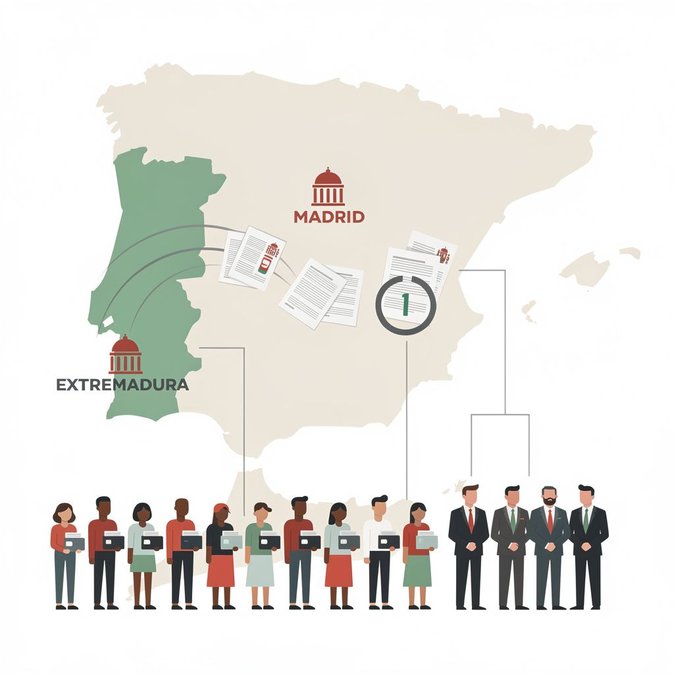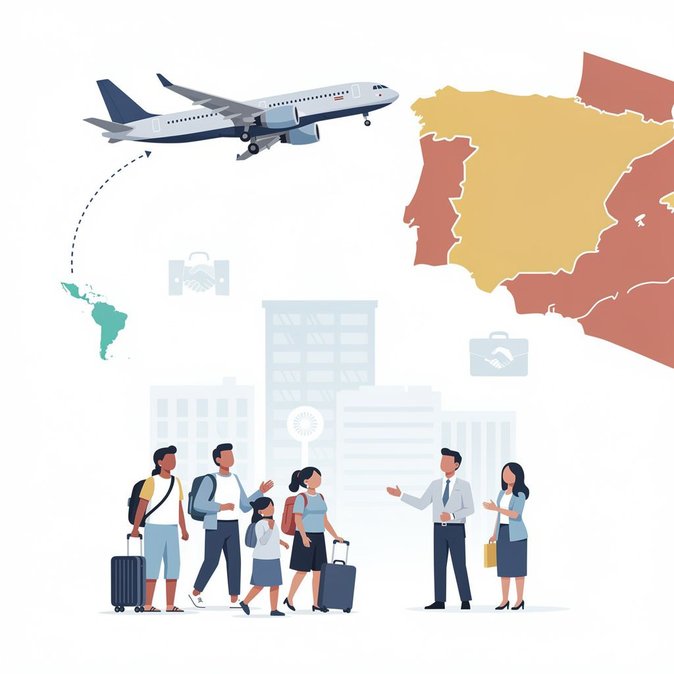
At dawn on 22 July a scheduled flight from San José touched down at Madrid-Barajas carrying 41 Nicaraguan refugees selected by Spain’s 2026 National Resettlement Programme. The group – families with UNHCR status who had fled political persecution – was met air-side by staff from the Ministry of Inclusion, Security and Migration, border police, AENA airport personnel and the Spanish Red Cross. Within hours they were transferred to reception centres in five autonomous communities where they will begin six months of language and integration classes before moving into private housing. Spain’s annual resettlement quota for 2026 is 1,200 people, making it the third-largest EU pledging state after Germany and France. According to Secretary of State Pilar Cancela this fourth transfer of the year brings the tally to 234 arrivals and shows that “safe and legal pathways are a cornerstone of Spain’s migration policy”. For global mobility teams the programme matters in two ways. First, companies that employ highly-skilled third-country nationals can point to Spain’s proactive humanitarian record when supporting work-permit applications – a softer immigration environment often correlates with more predictable processing times. Second, corporate social-responsibility departments may find new partnership opportunities: several of the reception NGOs running job-readiness workshops are looking for mentors in tech and logistics. The resettlement arrival also dovetails with Spain’s broader labour-market needs. Recent reforms to the Aliens Regulation allow asylum-seekers to access work faster, and provincial Chambers of Commerce are piloting fast-track skills assessments so that refugees with health-care or coding backgrounds can fill shortages in Castilla-La Mancha and Catalonia. Employers interested in hiring from the new cohort should monitor forthcoming calls from the public-private ‘Talent Inclusion’ platform, due to open registration in September.
Source: Infobae (wire EFE)