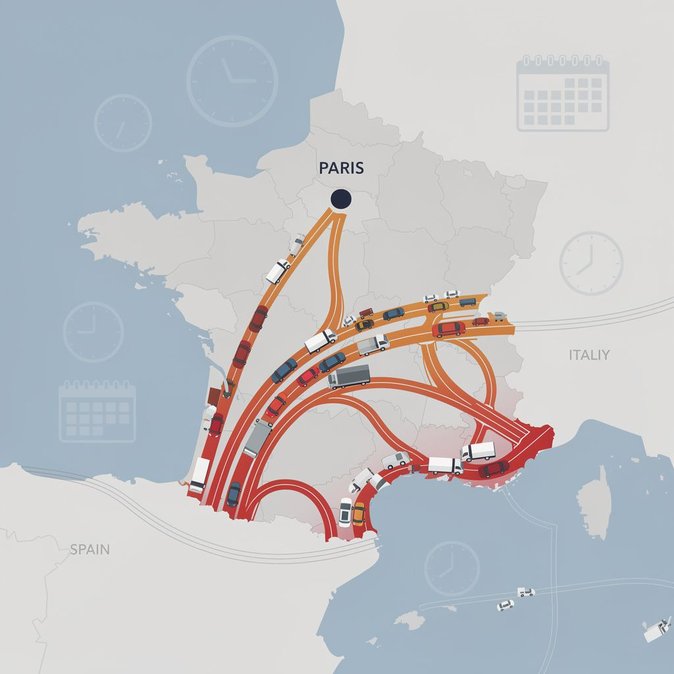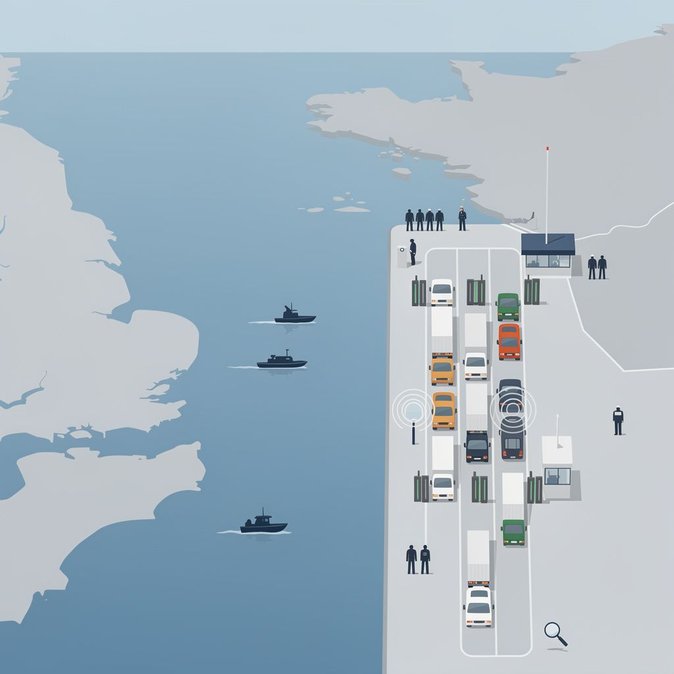
The UK Home Office’s 24 July update on small-boat statistics shows 538 irregular migrants reached or attempted to reach England on 22–23 July—172 on Wednesday and 366 on Thursday—after five consecutive zero-arrival days. French patrols reportedly prevented several departures but growing volumes again test the joint UK-France agreement signed in June 2026 to deploy additional French police units along the northern coast. For France, the uptick carries operational and diplomatic weight. Each failed prevention can trigger UK penalty clauses that redirect funding from broader border-infrastructure projects—money Paris wants ahead of the 2028 Olympic cycle. Locally, prefectures in Pas-de-Calais have reactivated emergency accommodation plans, which can strain hotel inventory used by corporate travel programmes. Employers with staff transiting Eurotunnel or ferries should anticipate sporadic traffic holds as gendarmerie track migrant clusters near embarkation points. Freight forwarders report spot delays at the A16 and A26 approaches to Calais as police conduct vehicle sweeps. Strategically, the figures may accelerate planned Franco-British technology pilots, including fixed-wing drones and AI-assisted radar analytics financed under the Border Security Act. Corporate security managers should brief drivers on new roadside-check protocols and ensure they carry employer authorisation letters to minimise holdups. The data also underline reputational considerations: companies transporting high-value or hazardous goods through the Channel corridor must verify that subcontractors follow reinforced trailer-seal procedures, as insurance premiums can spike in periods of heightened clandestine-entry attempts.
Source: UK Home Office Transparency Data