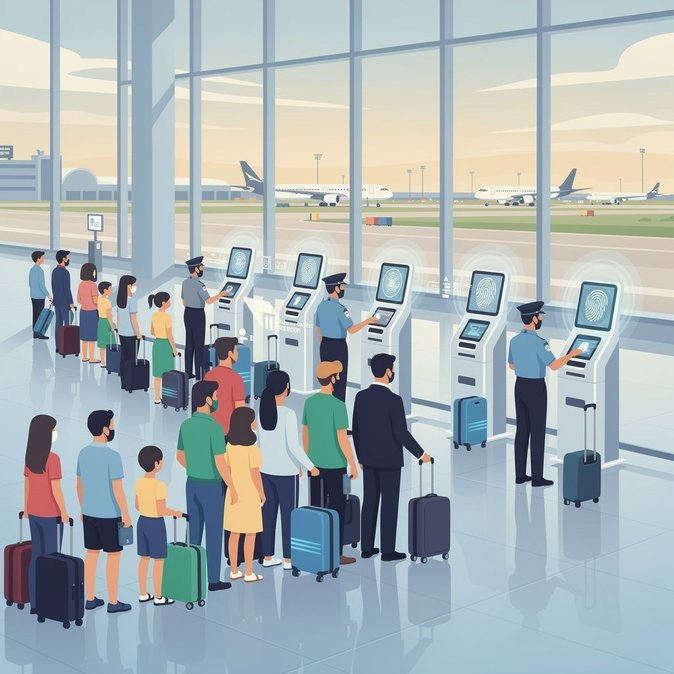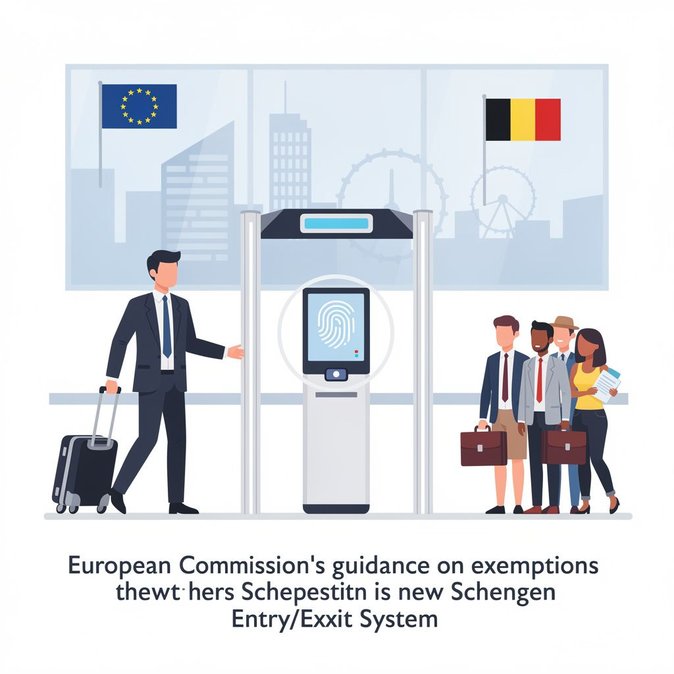
The European Commission’s Directorate-General for Migration and Home Affairs has published fresh guidance on the Schengen Entry/Exit System (EES), clarifying exactly who will – and who will not – have their fingerprints and facial image captured when crossing the external borders of Belgium and the 29 other Schengen states. Under the new rules, which have been fully operational since 10 April 2026, most non-EU travellers entering or leaving the bloc for short stays must scan their passport, four fingerprints and have a live facial picture taken. Monday’s notice confirms that several important categories are exempt: holders of an EU or Schengen long-stay visa (type D), residents with a valid permit issued by any EES-participating country, accredited diplomats, and airline crew members carrying a crew member certificate. For Belgium-bound business travellers the clarification removes lingering uncertainty over whether a national “B-card” or an EU Blue Card would trigger EES registration on every trip. Belgian immigration lawyers say the exemption will cut processing times for intra-company transferees and cross-border commuters who already reside legally in Belgium but frequently travel for meetings abroad. The guidance comes just days before the last weekend of Tomorrowland – Belgium’s largest music festival – and the traditional corporate summer shutdown, when Zaventem and Charleroi airports routinely handle more than 200,000 passengers a day. Border police have been instructed to direct exempt travellers to manual lanes if automated kiosks insist on biometric enrolment, and travel managers have been advised to brief staff to carry their residence permits at all times. Looking further ahead, Brussels Airport is accelerating plans to integrate the Belgian ID card and residence permit chip into its ABC-gate system so that eligible passengers can use the same automated doors as EU citizens, cutting queues once the EES becomes part of everyday life.