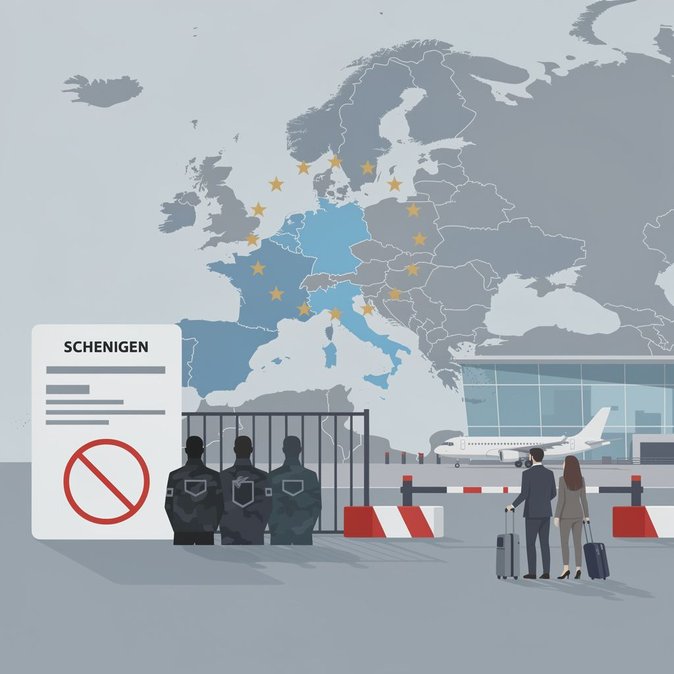
Meeting in Brussels on 24 July, EU ambassadors endorsed a Commission proposal to add Russian ex-combatants to the list of categories automatically refused Schengen short-stay visas. The measure – due to take effect in October, once technical criteria and evidentiary standards are finalised – is part of the 21st sanctions package against Russia and was publicly confirmed by an EU official speaking to EUobserver. The text obliges member states to refuse visas and entry to anyone who fought for the Russian armed forces after 24 February 2022 and is designed to curb potential security threats posed by radicalised or criminally-experienced returnees. While the future ban is EU-wide, its operational centre of gravity is Belgium: almost all Council working-party meetings on the sanctions package took place in Brussels, and Belgium’s Federal Police will sit on the newly created Risk Information Group that will coordinate background checks. According to the Federal Migration Centre (CGRA), some 5,800 Russian nationals applied for visas to enter Belgium in 2025; about 9 % declared a past or present military occupation. Those files are now being re-screened, and the Interior Ministry has issued interim guidance to border officers at Brussels Airport and the Port of Zeebrugge to flag any applicant whose passport shows service addresses in occupied Ukrainian territories. The Interior Ministry told Belgian media that it is accelerating installation of an Interpol secure-communications node at the airport so that visa officers can query new EU watch-lists in real time. Training sessions on identifying forged Russian military discharge papers will be run for consular staff in Moscow, St Petersburg and Yekaterinburg in August. Employers making Single-Permit applications for Russian assignees have been warned that processing times are likely to stretch beyond the statutory 90 days once the ban enters into force. From a corporate-mobility perspective the main impact is on intra-company transfers out of Russia: global companies that still host IT or engineering teams in Moscow will have to reroute talent through third-country hubs such as Dubai or Belgrade if ex-combatants cannot clear Schengen screening. Multinationals are also updating travel-risk policies for Russian nationals who transit Belgian hubs, as refusal at the border will automatically invalidate any multi-entry visa already issued. Immigration advisers stress that the ban, at least initially, covers short-stay C-visas only; long-stay D-visa and Single-Permit requests for critical skills remain possible but will face enhanced security vetting. Companies are therefore urged to budget extra lead-time and to prepare alternative travel itineraries until the Commission publishes the final implementing regulation in the Official Journal (expected mid-September).
Source: EUobserver