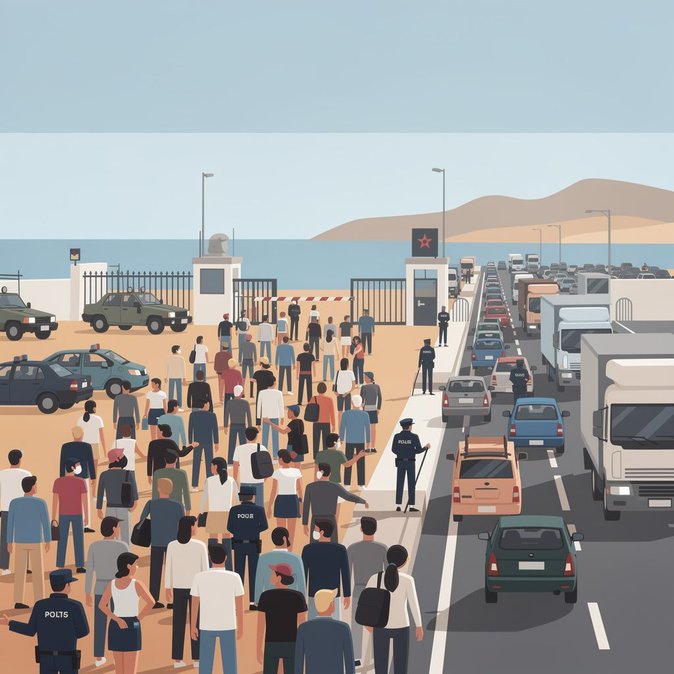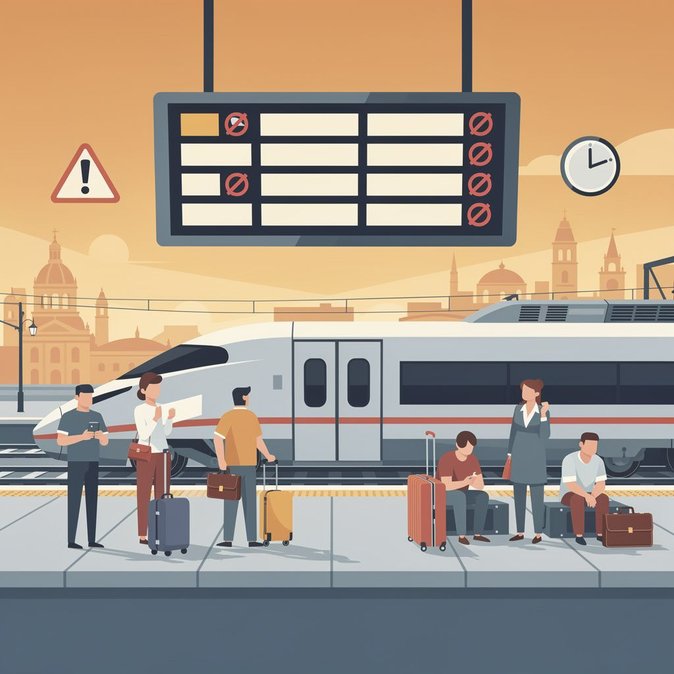
Spanish rail operator Renfe faces its third walk-out this summer after minority union SCF confirmed a 24-hour strike for Friday, 31 July. The Ministry of Transport published the legally required ‘servicios mínimos’ in the early hours of 30 July, guaranteeing 73 % of high-speed (AVE) and long-distance trains and 65 % of Cercanías commuter services. Even so, Renfe estimates 92 long-distance services could be cut, mainly on Andalusia-Madrid and Catalonia-Basque Country corridors. The dispute centres on staff shortages and delayed wage negotiations linked to Renfe’s split into separate passenger and freight subsidiaries, a condition for liberalising Spain’s rail market under EU law. Management says only 2 % of its 14,000-strong workforce joined previous strikes, but unions insist summer overtime rosters are unsustainable while vacancies remain unfilled. For business travellers the timing is awkward: Friday marks the second ‘Operación Salida’ getaway weekend of Spain’s peak holiday season. Aena predicts record passenger numbers at Madrid-Barajas and Barcelona-El Prat airports as travellers switch to air—and roads around major cities are expected to see heavier traffic from mid-afternoon. Corporate travel managers should advise employees holding 31 July train tickets to check Renfe’s website or app and re-book onto guaranteed services where possible. Under Spanish consumer-protection rules, passengers on cancelled trains are entitled to full refunds or free re-routing within 48 hours, but hotel or car-rental costs are not automatically covered. Companies with posted-worker obligations should document any delays that prevent staff from reaching worksites, as authorities accept strike disruption as a valid force-majeure justification when notifying postings.