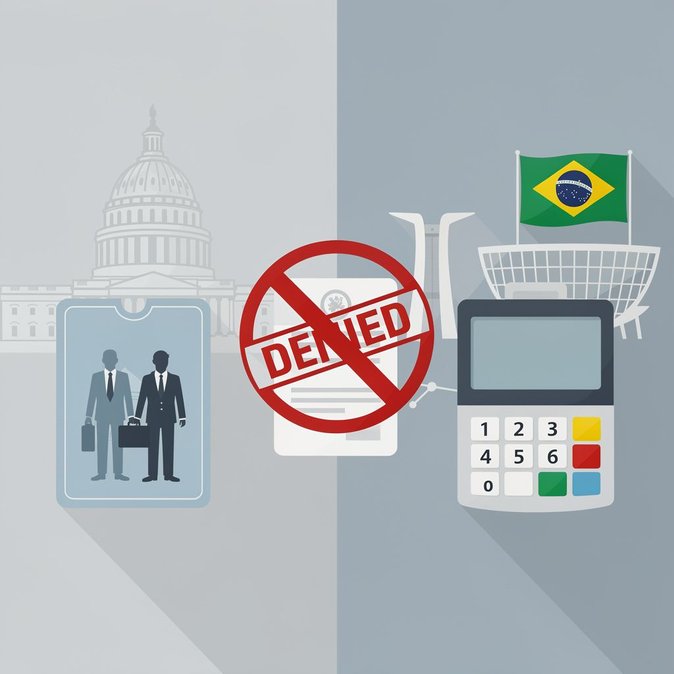
Brazil’s Foreign Ministry (Itamaraty) has told Congress that only the Ministry of Defense has legal standing to accept or refuse foreign military attachés, even when the nominee is subject to international sanctions. The clarification came after lawmakers asked why Brazil had granted agrément to Venezuelan General Luis Gerardo Reyes Rivero—under U.S. Treasury sanctions for alleged human-rights abuses—to serve as a defense attaché in Brasília. In a note delivered on 31 July and made public on 3 August, Itamaraty explained that, unlike ambassadors, military attachés are vetted exclusively by Brazil’s Defense Ministry. Once the armed-forces command raises no objection, the Foreign Ministry merely transmits the decision to the sending state. According to the document, Brazil found no domestic precedent for rejecting an attaché on the basis of third-country sanctions. Officials said international practice is to weigh “bilateral interests and reciprocity”, not unilateral measures. Nonetheless, the case is considered “atypical” because multilateral rules, including UN listings, could in principle justify a refusal. Practically, the episode signals that U.S. or EU sanctions lists will not automatically bar individuals from entering Brazil or receiving official visas. Corporations that rely on sanctioned-party screenings should note that Brazilian authorities may still issue diplomatic, official or even ordinary visas when sanctions are not multilateral. Compliance teams may therefore need to treat Brazilian travel and posting decisions as a separate risk vector, particularly when planning cross-border meetings, secondments or due-diligence reviews. For employers, the key takeaway is that background checks aligned only with U.S. or EU restrictions may not suffice for operations involving Brazil. Multinationals should update global-mobility policies to account for Brazil’s position and prepare to advise staff on possible reputational or banking hurdles that could arise even after a Brazilian visa is granted.
Source: Veja