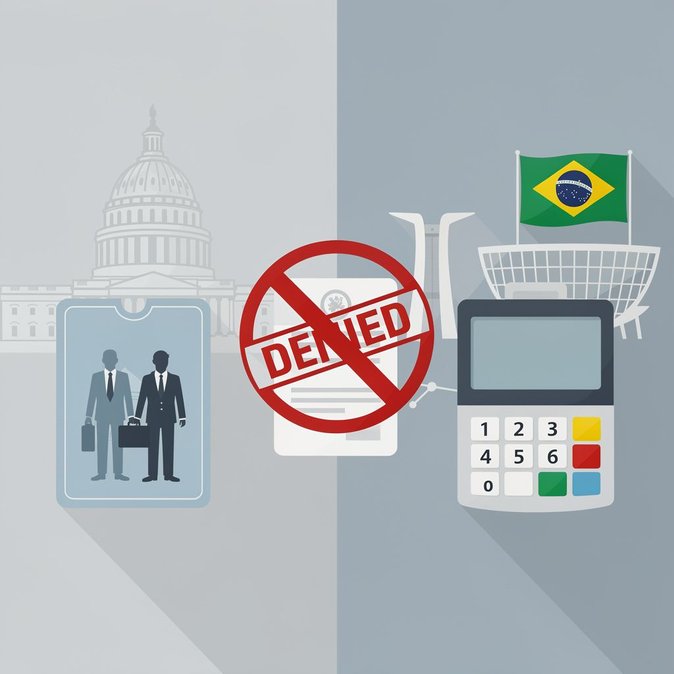
Brazil’s Foreign Ministry has refused visa requests from two senior officials in the U.S. State Department’s Bureau of Democracy, Human Rights and Labor who planned to visit Brasília between July 27 and 30—barely ten weeks before Brazil’s 6 October presidential election. According to diplomatic sources quoted by the Associated Press, the Lula administration concluded the visit’s real purpose was to cast doubt on the integrity of Brazil’s electronic-voting system and amplify opposition claims that the ballot is vulnerable to fraud. The decision marks the first time since Brazil’s 1985 return to democracy that Brasília has publicly denied entry to an official U.S. delegation on political-security grounds. Relations have frayed since Washington voiced support for jailed former president Jair Bolsonaro and re-imposed tariffs on Brazilian steel. Top aides to U.S. President Donald Trump, including Deputy Assistant Secretary Samuel Samson, sought meetings with Brazil’s Superior Electoral Tribunal and civil-society groups; Brazilian intelligence reportedly intercepted planning documents that framed the trip as a chance to “highlight vulnerabilities.” Brazilian officials invoked Article 9 of Decree 9.199/2017—allowing denial of visas on national-security grounds—and cited “credible evidence of intent to undermine public confidence in the vote.” The U.S. State Department called the allegation “baseless,” insisting the visit was routine democracy outreach. Nevertheless, the spat underscores how election-security rhetoric has become a flash-point in bilateral relations and a domestic campaign issue. Practical implications for global-mobility managers are immediate. The case shows the Lula government is willing to exercise broad discretion over visa issuance—even for G-type diplomatic travel—and signals heightened scrutiny of U.S. government visitors, contractors and election observers. Companies planning executive travel tied to Brazil’s election cycle should allow extra lead time for visa processing, ensure invitation letters spell out apolitical business purposes, and monitor further retaliatory measures (e.g., reciprocal delays for Brazilian diplomats entering the United States). Longer term, multinationals may face a chill in regulatory cooperation and trade facilitation while the diplomatic row simmers. However, Brazilian officials have stressed that tourist, business (VITEM II) and work visas will continue to be processed “normally.” Travel-risk teams should brief U.S.-based travelers on possible secondary screening at ports of entry and maintain contingency plans for last-minute itinerary changes during the campaign season.
Source: Associated Press