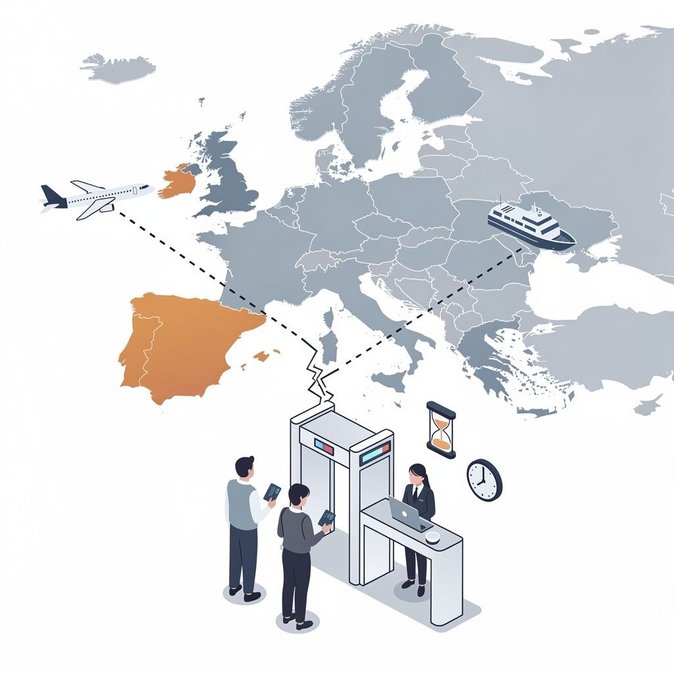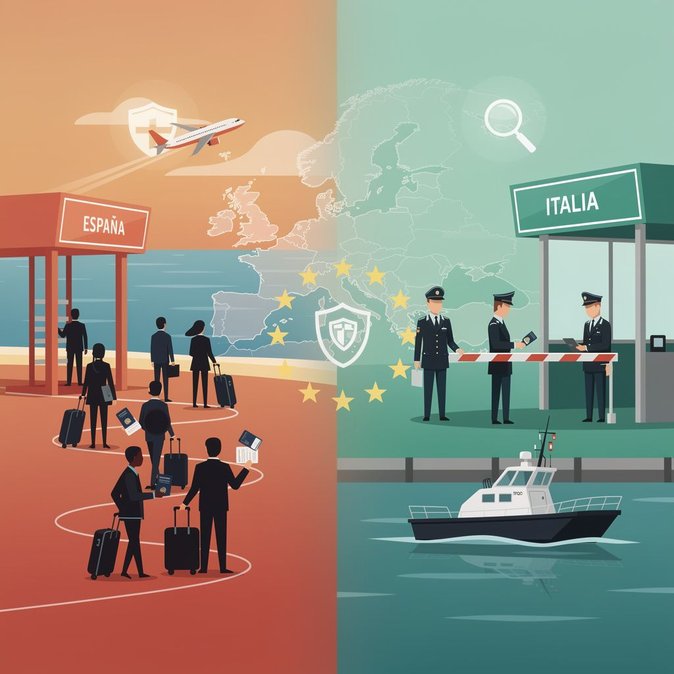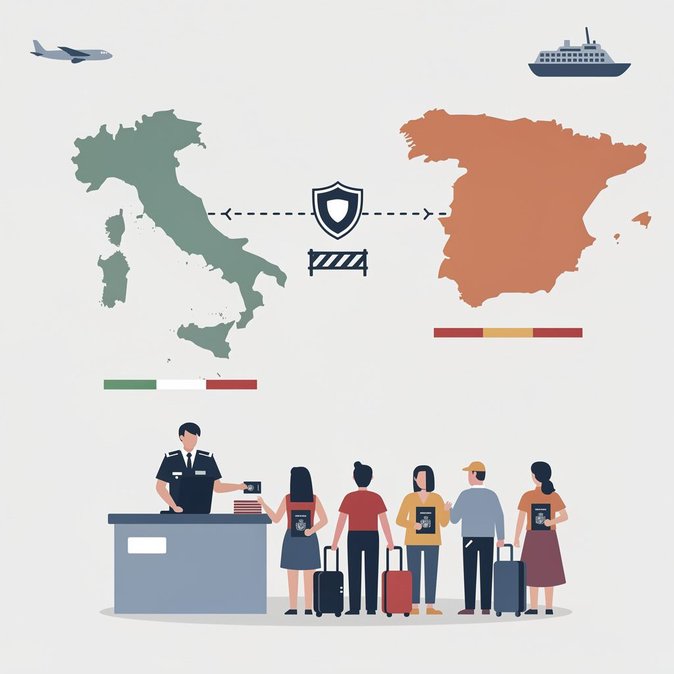
Italy leveraged Tuesday’s emergency meeting of EU interior ministers to renew its long-standing call for tougher return policies, arguing that the Union must use “all its economic weight” to pressure third-country governments into readmitting their nationals who enter Europe irregularly. Interior Minister Matteo Piantedosi told colleagues that last week’s unprecedented swim-in of an estimated 50,000 people into Ceuta had shown “how quickly social media rumours can overwhelm external border defences”. To restore deterrence, he said, the EU should make development aid, visa facilitation and trade preferences contingent on concrete readmission benchmarks—echoing the U.K.–style “compliance scorecards” that rank origin countries on acceptance of deportation flights. Piantedosi also promoted Rome’s controversial plan to outsource asylum screening to reception hubs in safe third countries, citing the Italy-Albania protocol—under which two Italian-run camps near Shengjin and Gjadër are due to process up to 36,000 migrants a year—as a “pilot that the majority of member-states now view with interest.” Several northern and central European delegations welcomed the idea in principle but warned of possible human-rights litigation if EU law does not clearly define extraterritorial jurisdiction. While no formal conclusions were adopted, the Belgian Presidency of the Council agreed to table return-conditionality proposals at the next Justice and Home Affairs Council in September. Companies that depend on intra-company transfers from countries such as Bangladesh, Tunisia or Nigeria could face slower work-permit issuance or higher refusal risks if Brussels proceeds with a hard-link between visa facilitation and readmission performance. Mobility teams should map their assignee populations against potential “non-co-operative” lists and prepare alternative staffing or remote-work strategies. In the short term, Piantedosi confirmed that Italy’s month-long suspension of Schengen with Spain would stay in force “pending further evaluation” but stressed that exceptions continue to apply to freight traffic and to travellers holding diplomatic or Schengen ‘Laissez-Passer’ documents.
Source: ANSA English