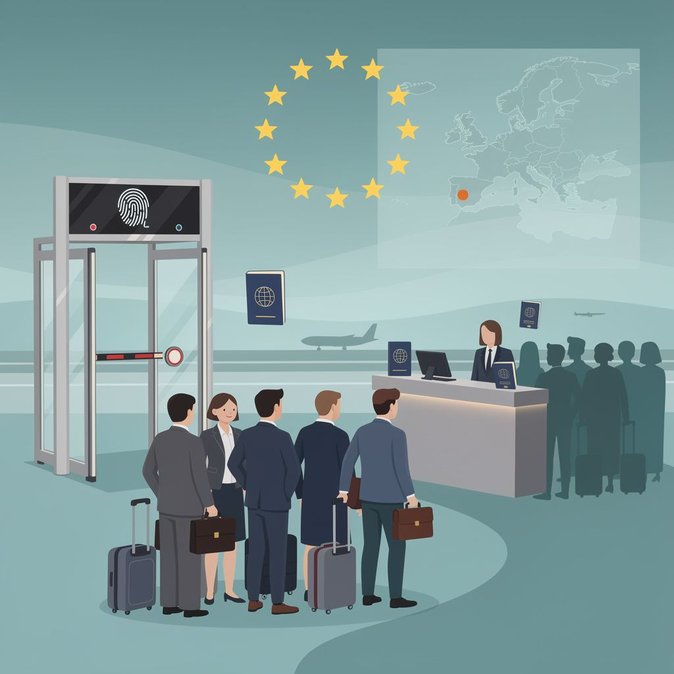
The EU’s biometric Entry/Exit System (EES)—designed to register non-EU travellers’ fingerprints and facial images—was meant to be fully operational on 6 September. Yet nine member states, including Belgium, notified Brussels on 14 September that they need more time to deploy the technology at all border points. Belgium has scanners running at the Eurostar terminal in Brussels and at Antwerp’s port, but Brussels Airport and several regional airports lack sufficient biometric booths. Government officials cite supply-chain delays and the need to reconfigure passenger flows in ageing terminals. The European Commission is unlikely to pursue infringements for now, but technically the grace period has ended. Airlines warn that partial implementation creates “two-lane” border controls, confusing travellers and increasing missed connections. For Belgian corporations, the main impact will fall on non-EU assignees who enter via regional airports, where ad-hoc procedures and longer queues are expected. Mobility teams should budget extra arrival time, brief employees on fingerprinting requirements, and monitor project timelines in case of biometric bottlenecks at neighbouring hubs such as Frankfurt or Schiphol.
Source: The Guardian