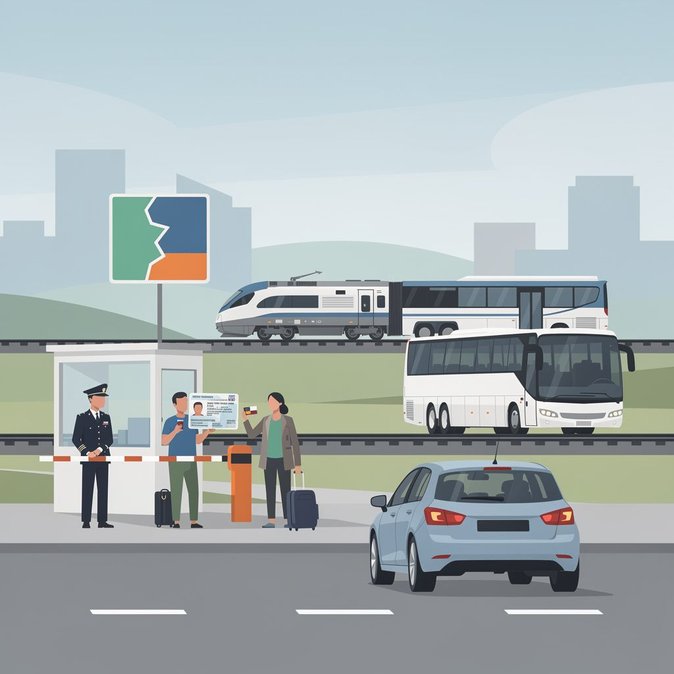
The Dutch government has officially prolonged the temporary re-introduction of border controls at land crossings with Belgium and Germany through 30 September 2026, citing high volumes of asylum applications and people-smuggling. The measure, first activated on 9 June, appears on the European Commission’s live Schengen notification list updated on 14 September. Dutch Royal Marechaussee officers are conducting spot ID checks on key motorways (A16 Breda–Antwerp, A67 Eindhoven–Turnhout) as well as on some intercity rail services. Commercial bus operators report journey-time increases of 15–25 minutes, while Belgian logistics firms complain of knock-on delays delivering automotive parts to Eindhoven’s “Brainport” high-tech cluster. For cross-border commuters the controls are chiefly a nuisance: EU citizens may be waved through, but third-country nationals employed in Belgium under local permits must carry passports and Belgian residence cards at all times. Immigration advisers in Antwerp say several expats have been fined €95 for failing to present originals when their shuttle buses were stopped. Belgium’s Interior Ministry has lodged a formal query in Brussels asking whether the Dutch extension meets proportionality tests set out in the Schengen Borders Code, but officials admit privately that nothing will change before 1 October. Multinational employers with staff living on one side of the border and working on the other are urged to issue mobility alerts and update expense policies to cover possible mileage overruns if drivers choose secondary roads to avoid checkpoints.