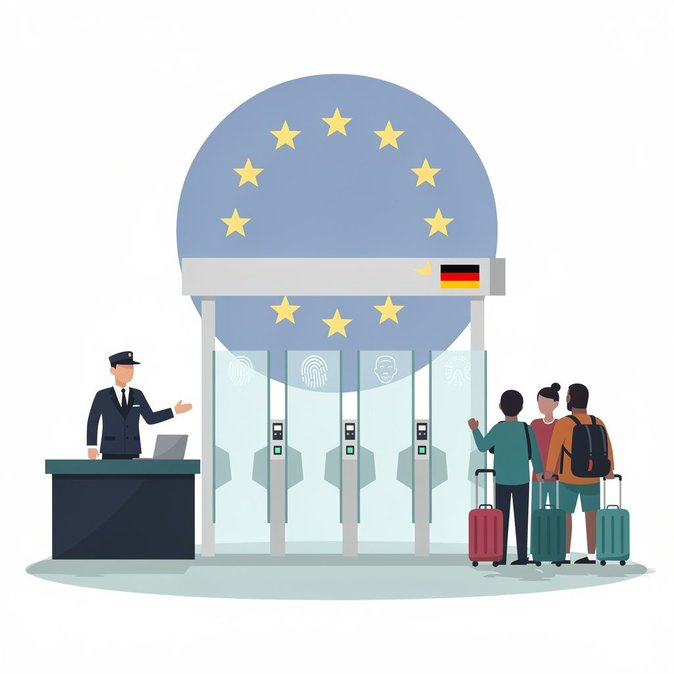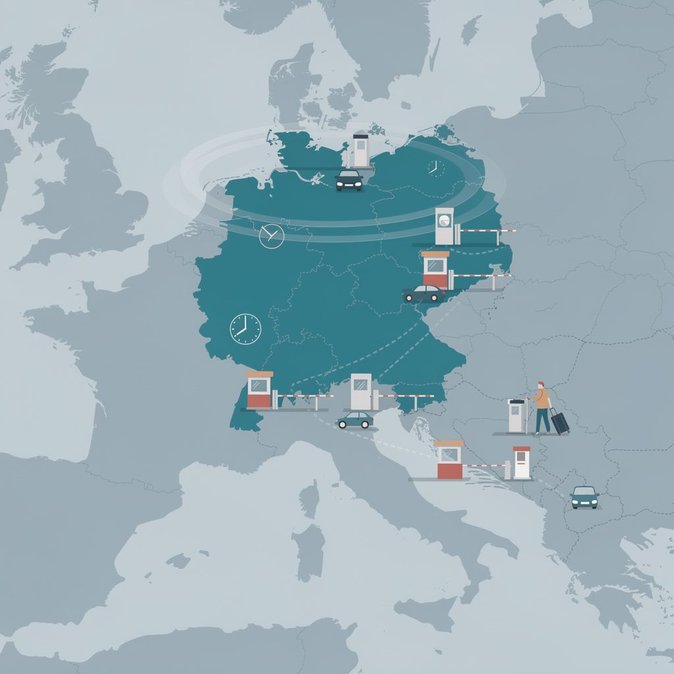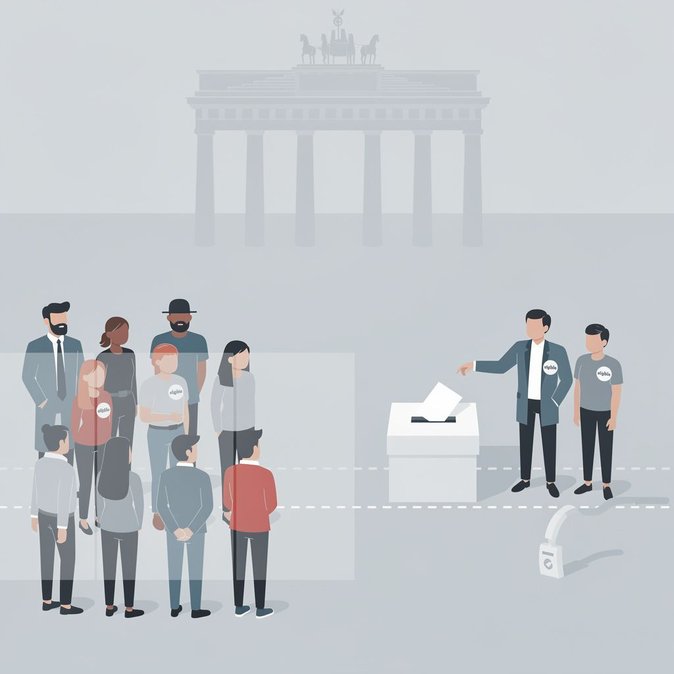
With Berliners heading to the polls on 20 September, a DW report published 14 September highlights that roughly 976,000 adult residents—25 % of the city’s population—cannot vote because they are not German citizens. The figure has doubled since 2011 and is the highest disenfranchisement rate in any German state. Foreign taxpayers interviewed by DW expressed frustration that they finance local services yet lack political representation. Green district mayor Stefanie Remlinger has organised a ‘symbolic election’ in Berlin-Mitte to raise awareness and press for easier naturalisation rules. The debate resonates far beyond electoral politics. Germany projects a shortfall of 440,000 workers by 2029; retention of international talent is critical for Berlin’s tech and creative sectors. Mobility specialists warn that protracted naturalisation queues—two years or more in some districts—are prompting some skilled migrants to relocate to more welcoming jurisdictions such as Portugal or the Netherlands. Corporate HR departments are urged to support staff through the citizenship process and to lobby for faster administration, as employee turnover linked to residency insecurity carries real replacement costs.
Source: Deutsche Welle