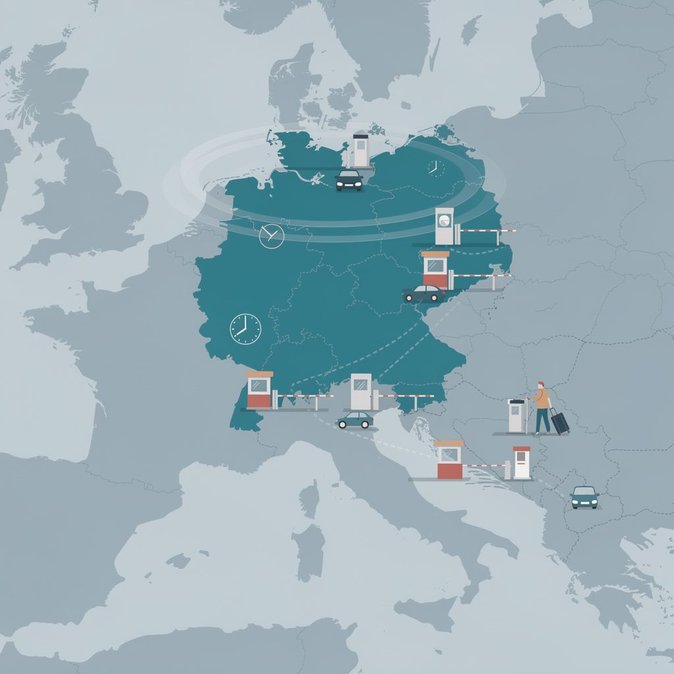
A data-driven article published on 14 September 2026 by NewsBriefing.eu shines an uncomfortable spotlight on Germany’s integration record: roughly 976,000 adult residents of Berlin—25 percent of the population—will not be allowed to vote in the 20 September state election because they lack German citizenship. The share has doubled since 2011 despite a modest uptick in naturalisations. The piece links the democratic deficit to changes in federal nationality law. The three-year fast-track route for C1-level German speakers introduced by Olaf Scholz in 2024 was abolished after the 2025 election, restoring an eight-year wait (or five years under a standard track). Processing backlogs persist: Berlin naturalised a record 39,000 people in 2025 but still faces multi-year queues. From a global-mobility perspective, the findings carry two messages. First, foreign assignees who plan to settle permanently in Germany face a longer journey to full political participation than headline policies sometimes imply. Second, the public debate over voting rights feeds into wider sentiment towards immigration; a quarter of the electorate is effectively voiceless at the ballot box even as parties contest tough lines on migrant integration. For employers, sluggish naturalisation can be a retention risk: high-skill workers who feel excluded from civic life are likelier to move on when the next global assignment beckons. Some multinationals already incorporate legal-support allowances for citizenship applications into their long-term relocation packages to mitigate that risk. Others advocate for administrative reforms through business associations such as the Berlin-Brandenburg Foreign Investors Council. Whether the issue gains traction depends on the post-election coalition. The CDU-SPD government has shown little appetite to revisit fast-track citizenship, while the Greens continue to push for voting rights after five years of residency. For now, HR teams should counsel international staff on realistic timelines and encourage early preparation of language and income documentation.
Source: NewsBriefing.eu