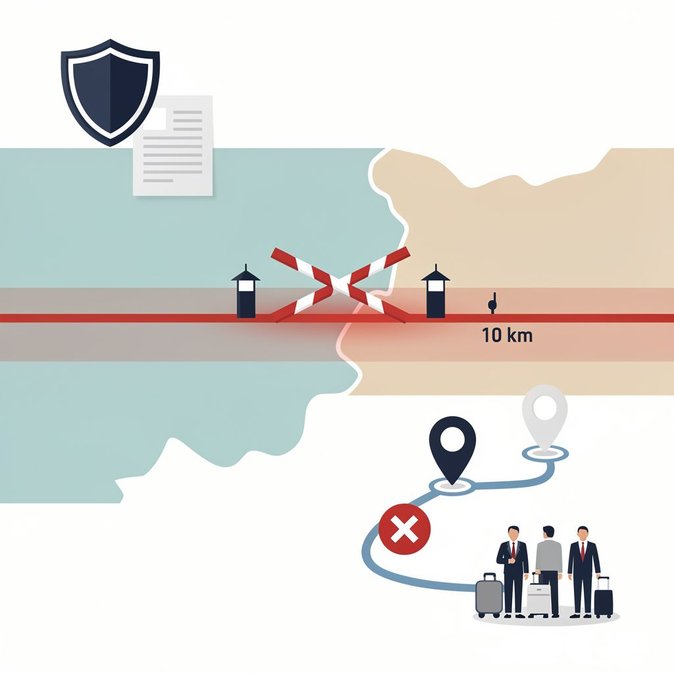
The UK Foreign, Commonwealth & Development Office (FCDO) updated its India travel advice on 18 September, formally confirming that the Wagah-Attari land crossing between India and Pakistan is closed and advising against all travel within 10 km of the border. The advisory also reiterates warnings for Jammu & Kashmir and Manipur, where curfews remain in force. Although the Wagah crossing has been intermittently closed since 2025, many business travellers had continued to plan overland journeys based on ad-hoc reopening rumours. The new guidance removes ambiguity, effectively steering UK and other foreign travellers toward air routes via Delhi or Lahore. For India-based travel managers supporting regional operations, the change necessitates re-routing of expatriates who previously combined India and Pakistan assignments by road. The advisory’s timing is notable: Pakistan’s caretaker government recently floated proposals to resume limited bus services to boost cross-border trade, but security agencies on both sides have expressed concerns after a spike in drone-borne contraband. Logistics firms say the FCDO language will influence corporate insurance underwriters, potentially raising premiums for shipments moving through Punjab’s border districts. Employers should review duty-of-care frameworks and ensure that any essential personnel traveling near the frontier have robust security plans and contingency evacuation options. Additionally, the advisory highlights new e-OCI requirements and Ebola health-screening rules at Indian ports of entry—details that mobility teams should incorporate into pre-departure briefings. While the FCDO advice is non-binding, many insurers and international NGOs treat it as a de facto standard. Companies ignoring the guidance risk invalidating travel-insurance policies and exposing themselves to liability if an incident occurs.
Source: UK Foreign Office