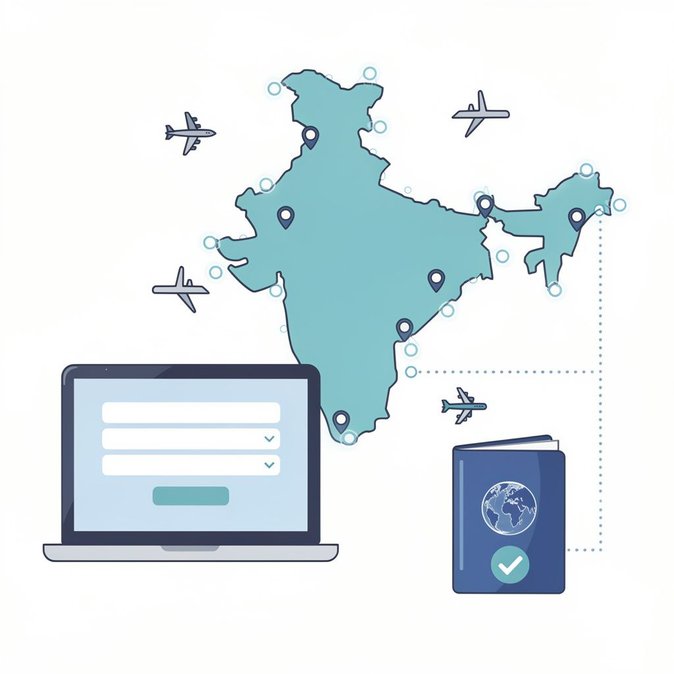
India’s Ministry of Home Affairs has quietly issued its largest single-day expansion of the e-Visa programme since 2014, adding 11 new international ports of entry—most of them land crossings—according to a notification first reported by travel industry outlet TravelersToday on 18 September 2026. The move brings the total number of e-Visa-enabled gateways to 88 and, for the first time, offers formal overland access for third-country nationals at key checkpoints such as Attari (India–Pakistan) and Agartala (India–Bangladesh). Two midsize airports—Bhopal and Tirupati—also join the list, giving corporate travellers more routing flexibility into Central and Southern India. In practice, travellers cannot yet select the new crossings on the official indianvisaonline.gov.in portal, creating a temporary mismatch between policy and technology. Airlines and bus operators continue to rely on the published drop-down list when verifying eligibility, so mobility teams should instruct passengers to choose an existing port until the portal is updated. The Attari designation is symbolically significant—it is the only road link between India and Pakistan—but the crossing remains closed since May 2025 following the Pahalgam attack. Five of the nine land points sit on the India-Bangladesh frontier, opening a convenient loop for multinational project crews operating in both markets. Two crossings on the Bhutan border (Jaigaon and Darranga) and one on the Myanmar border (Moreh) round out the list. For global mobility managers, the policy shift signals India’s intent to diversify entry channels and reduce airport congestion, but the operational reality may lag for several weeks. Companies should monitor portal changes daily and alert travellers that selecting an unsupported port will invalidate the application.
Source: TravelersToday