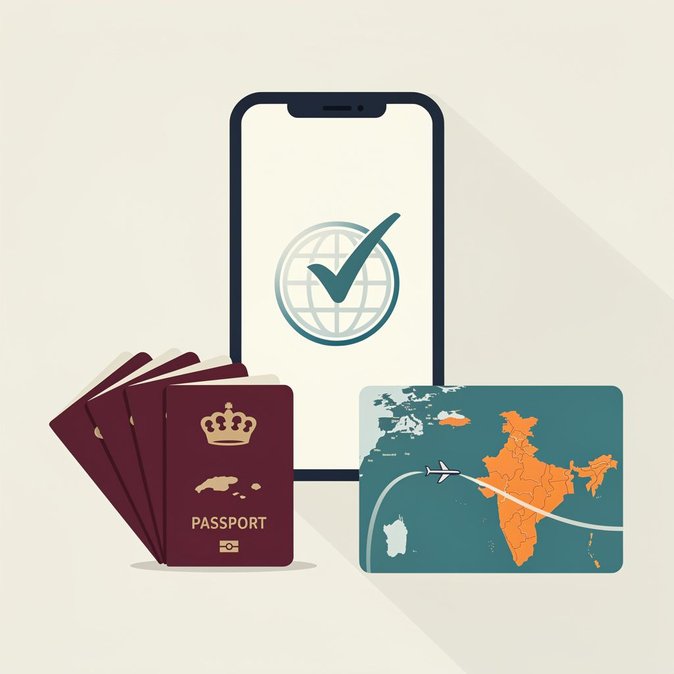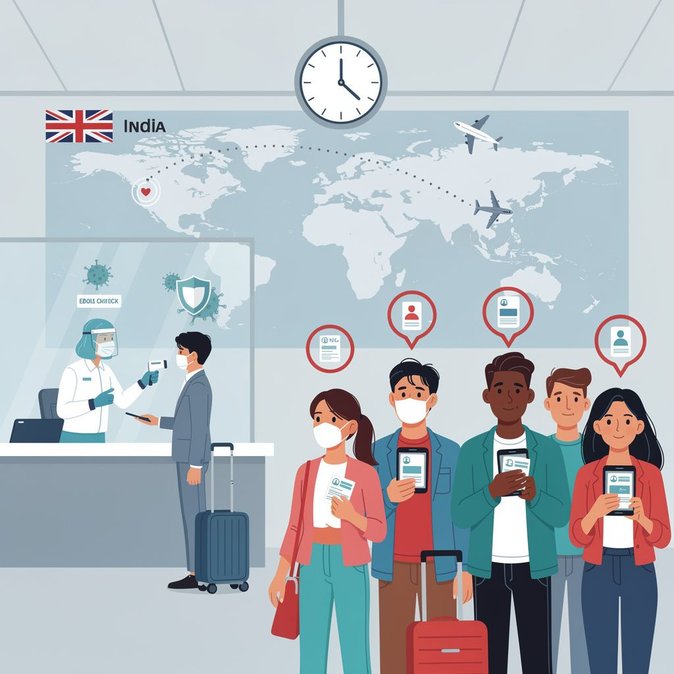
The United Kingdom’s Foreign, Commonwealth & Development Office (FCDO) published a fresh update to its India travel advisory on 18 September 2026, retaining long-standing warnings about the 10-kilometre exclusion zone along the India-Pakistan border and non-essential travel to Manipur while adding several new operational points that could catch corporate travellers off guard. The most immediate change concerns documentation: the advisory now specifically references India’s Electronic Overseas Citizen of India Card (e-OCI) and reminds dual nationals and long-term residents to carry either the digital or physical card when entering the country. Border officials have reportedly started conducting spot checks at Delhi, Mumbai and Bengaluru airports, and failure to show the document can lead to secondary inspection or a request to apply for a visa on arrival at the Foreigners Regional Registration Office (FRRO). Health protocols also tighten under the update. All international passengers must now complete a self-declaration form before boarding and may be subject to Ebola screening on arrival, following outbreaks in parts of Central Africa. Employers organising travel for project teams should build in an additional 30–45 minutes for arrival formalities and remind travellers that false health declarations can invalidate insurance. Although the headline security advice has not changed, the FCDO explicitly links Middle-East airspace disruptions to India-bound itineraries and urges passengers transiting through the Gulf to monitor airline notices closely. Business-critical staff should book flexible tickets or routings via Southeast Asia to avoid last-minute cancellations. For mobility managers, the key takeaway is that compliance paperwork—not the security situation—poses the biggest near-term risk. Companies should audit employee OCI status, ensure that travellers have copies of any visa extensions granted through India’s e-FRRO portal, and arrange contingency plans for rerouting if conflict-related airspace closures spread.
Source: GOV.UK – Foreign Travel Advice