Switzerland Frustrated as Italy Declines Dublin-Return Requests
Swiss Federal Council Rejects ‘Border-Checks’ Popular Initiative, Warns of Schengen Exit Costs
Swiss Federal Council Rejects ‘Stop Asylum Abuse’ Border-Control Initiative
Latest News
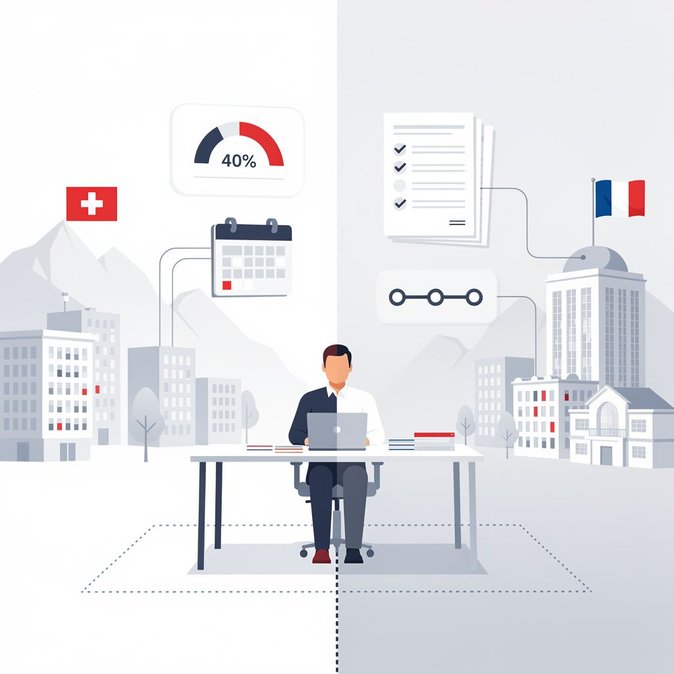
Swiss–French Telework Tax Rules: 40 % Threshold and Data-Exchange Deadlines Clarified
A detailed legal update outlines how the Swiss–French telework protocol works in practice: keep French-side telework to ≤40 % of annual days (plus max 10 mission days) to maintain Swiss payroll taxation. Employers must file annual telework attestations by 30 November, ahead of automatic salary-data exchange starting 2027.
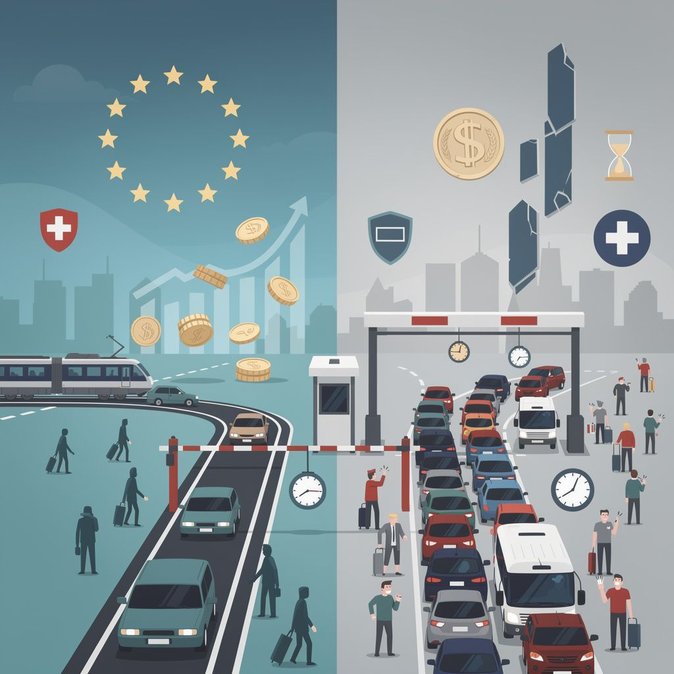
Government Report Quantifies Heavy Economic Toll of Leaving Schengen/Dublin
A new government study warns that quitting Schengen/Dublin could shave 3.9 % off Swiss GDP by 2035, cost each resident CHF 1,300 annually and clog borders with 422,000 extra commuter-hours lost every workday. Loss of shared EU security databases and higher visa hurdles for tourists and business travellers would further erode Switzerland’s economic and security position. The data give companies powerful arguments against proposals to re-introduce permanent border checks.
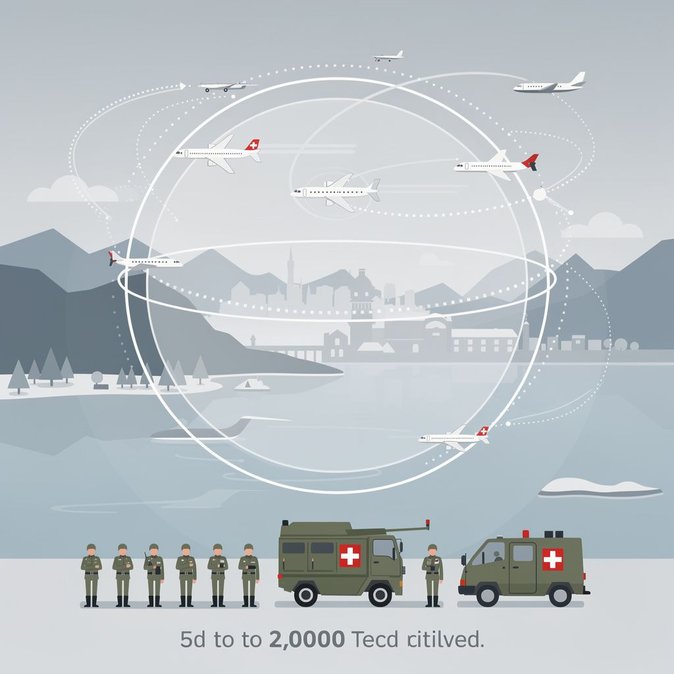
OSCE Ministerial in Lugano Triggers Airspace Restrictions and Military Support Operation
For the 3–4 December OSCE ministerial in Lugano, Switzerland will impose a 46-km restricted airspace zone and deploy up to 2,000 troops. Non-scheduled flights and all drones will be banned, forcing business-aviation reroutes and stricter travel planning for December trips to Ticino.
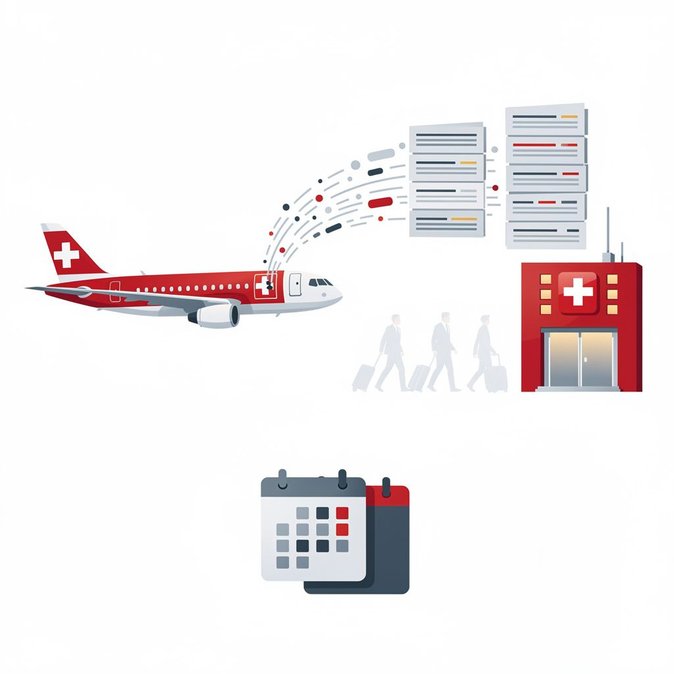
Passenger-Name-Record Law to Start 1 November, Data Sharing From February 2027
Switzerland will begin collecting airline passenger-name-record data on 1 November 2026, with the new Passenger Information Unit starting operational analysis from February 2027. Airlines and corporate travel programmes must align booking-data feeds and privacy processes quickly, while employers should brief travellers on the impending data-sharing requirements.

Federal Report Highlights Heavy Impact on Cross-Border Workers if Switzerland Leaves Schengen
A Federal Council study, summarised by Ticinonline, shows that re-introducing full passport controls would create multi-hour queues at Ticino border posts, threatening the livelihoods of 75,000 daily Italian commuters and the companies that employ them. The analysis is a wake-up call for firms reliant on seamless cross-border mobility.
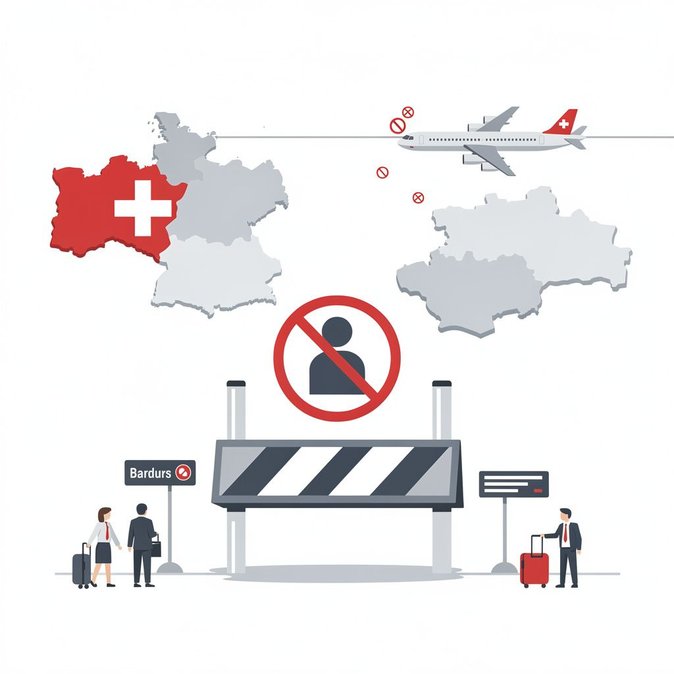
Switzerland Aligns with EU and Imposes Fresh Travel Sanctions on Belarus
Effective 19 September, Switzerland is mirroring the EU’s latest sanctions on Belarus, extending entry bans and transit restrictions to additional Belarusian officials. Airlines and employers must update watch-lists and reassess planned travel or assignments involving Belarus-linked personnel.
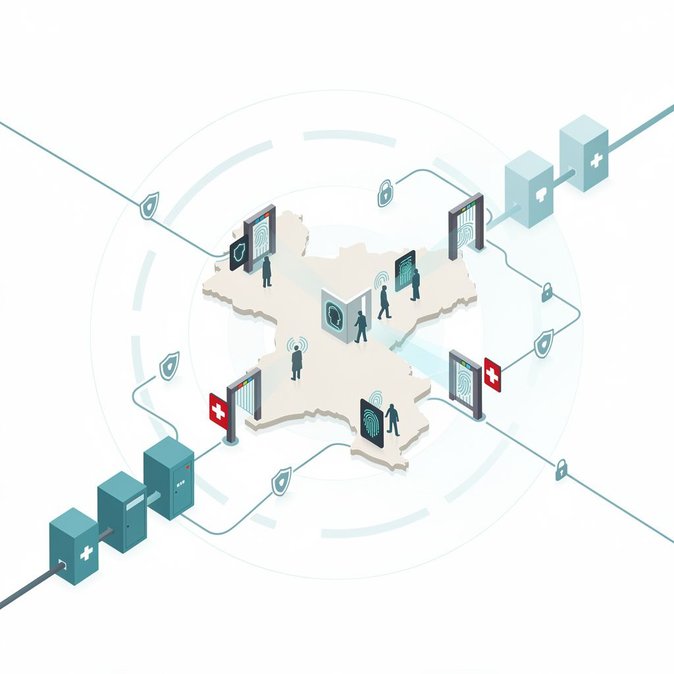
Security Policy Strategy 2026 Sets Out Border-Resilience Objectives
The new Security Policy Strategy commits Switzerland to beefing up biometric border systems, rehearsing emergency re-closures with neighbouring states and integrating fully with the EU Entry/Exit System by 2028. Companies should prepare for more joint resilience exercises and possible new compliance requirements as the measures roll out.

New Aviation-Obstacles Map Enhances Drone and Flight-Planning Safety in Switzerland
Switzerland’s geo.admin.ch has updated its aviation-obstacle dataset, giving pilots and drone operators real-time, object-level information on hazards and no-fly zones. The richer data lower operational risk and streamline permit applications for both business aviation and commercial drones.
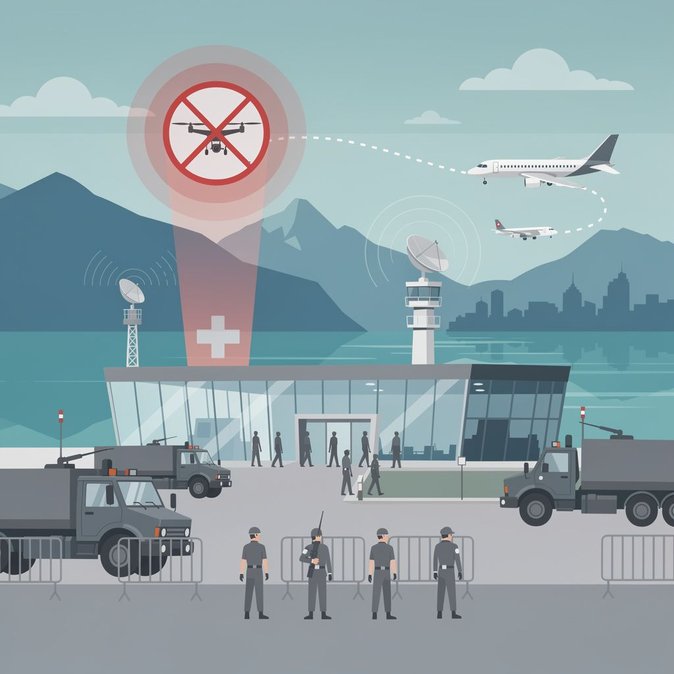
Airspace Restrictions Announced for December OSCE Ministerial in Lugano
For the 3-4 December 2026 OSCE Ministerial in Lugano, Switzerland will deploy up to 2,000 troops and impose a restricted airspace zone from 30 November to 4 December. Corporate flight departments and travel planners should re-route via Milan-Malpensa and watch for forthcoming NOTAMs detailing flight and drone prohibitions.

Swiss-French Telework Tax Rules Clarified in New Legal Brief
A 18 September legal briefing outlines how the 40 % telework threshold in the Swiss-French tax agreement works in practice and what data Swiss employers must transmit from 2027. Cross-border staff who exceed the limit will become taxable in France, so companies need robust tracking and documentation processes.