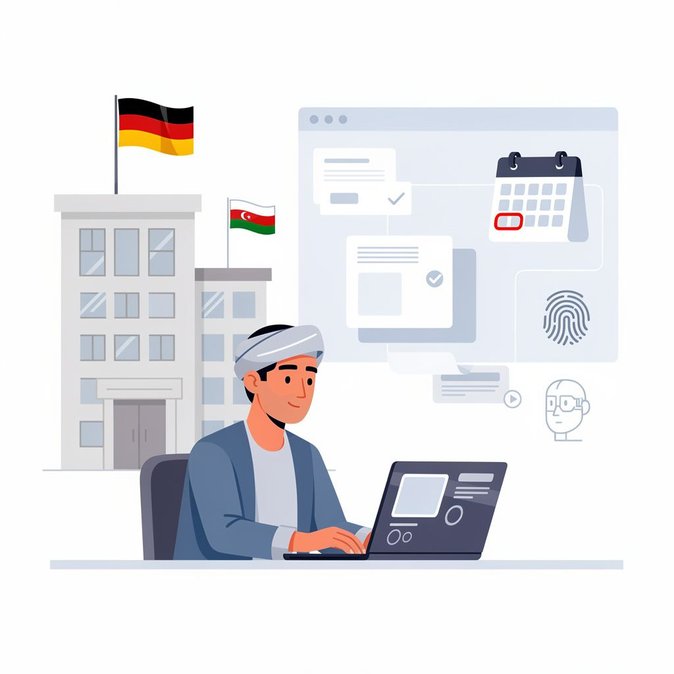
Germany’s drive to digitalise its global visa network has reached another milestone in Central Asia. As of 20 September 2026, the German Embassy in Dushanbe will no longer accept paper applications for National (long-stay) visas. Instead, applicants for work, study, family reunification, the new Chancenkarte points-based job-seeker permit and other residence categories must complete the entire application in the Auslandsportal, the Federal Foreign Office’s central e-consular system. Applicants who registered on the old waiting list before 19 September will still receive an in-person appointment, but everyone else must upload documents, pay fees and book biometrics slots digitally. The switch brings Tajikistan into line with more than 80 German missions that already use the Auslandsportal for National visas. According to the embassy, digital filing will cut data-entry time for staff by 30 percent and should allow decisions to be issued up to two weeks faster once biometrics are taken. Business groups welcomed the change, noting that Tajik technicians and construction specialists are increasingly recruited by German firms under the Skilled Immigration Act. For mobility managers the implications are practical. HR teams must brief assignees that incomplete scans or oversized files can trigger system rejections; the embassy’s portal caps individual uploads at 3 MB. Because biometric appointments are still limited, the embassy warns of lead-times of three to four months for some categories. Employers therefore need to factor in digital preparation time well before contract start dates. The move also signals what lies ahead globally. The Foreign Office says it will finish shifting all National visas to the portal by mid-2027 and is piloting Schengen-visa e-filing in three locations. Companies that relocate staff to Germany should therefore build the Auslandsportal workflow—including two-factor log-ins and digital signature requirements—into their standard mobility checklists. In the medium term, fully digital intake will feed data directly into the VIS and upcoming Entry/Exit System (EES), giving border police instant access to visa details. That should translate into smoother arrivals at German airports—provided travellers carry the same passport used in the online application.