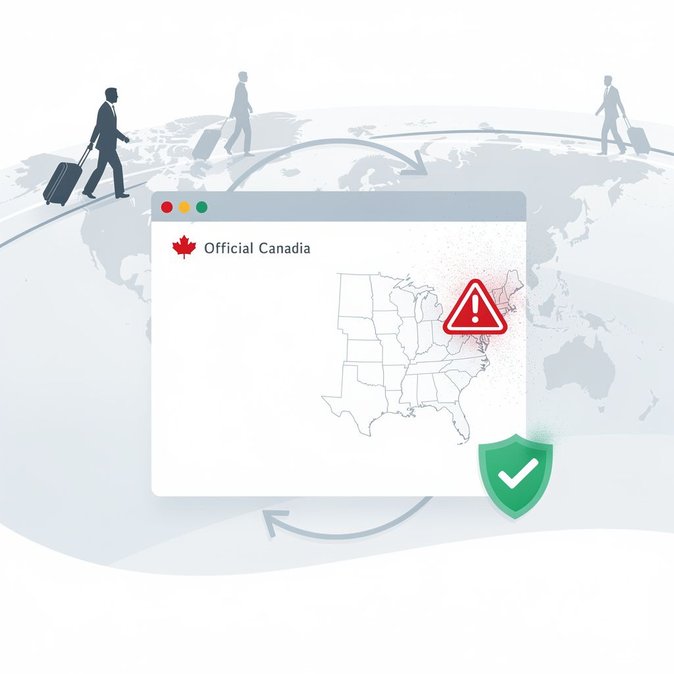
The Government of Canada quietly updated its travel advice for Canadians visiting the United States on the morning of September 21. The notice removed an “outbreak monitoring” alert for cyclosporiasis—a food-borne intestinal illness that had been flagged in several U.S. states over the summer. All other risk levels remain unchanged, with the U.S. still listed at the lowest advisory tier of “Take normal security precautions.” Although the tweak may look minor, the Travel Advice and Advisories (TAA) system is the definitive source corporate travel managers use to vet duty-of-care obligations. The removal signals that U.S. public-health officials now see infection rates returning to baseline and Canadian officials agree. For companies that suspended staff travel to large agricultural states or that required additional insurance riders, those temporary measures can now be reviewed and likely lifted. The advisory update also serves as a reminder that Canada’s border travel outlook can shift quickly. The TAA platform was refreshed more than 550 times in the last fiscal year, often without fanfare. Employers with frequent cross-border travellers—roughly 16 million individual trips in 2025—should therefore maintain real-time feeds into their mobility dashboards rather than relying on monthly checks. Practically, nothing changes at the physical border: Canadians may continue to enter the U.S. visa-free for up to six months and should still expect normal U.S. Customs and Border Protection screening, including potential searches of electronic devices. However, companies can remove cyclosporiasis-specific health briefings from pre-trip checklists, and travellers no longer need to demonstrate proof of extra medical coverage for that illness when filing trip approvals. Looking ahead, global-mobility teams are advised to keep an eye out for new advisories tied to hurricane season—which peaks in late September—and for any U.S. policy shifts as the November mid-term elections approach. A standing, automated watch on TAA changes remains the best practice for compliance and employee safety.