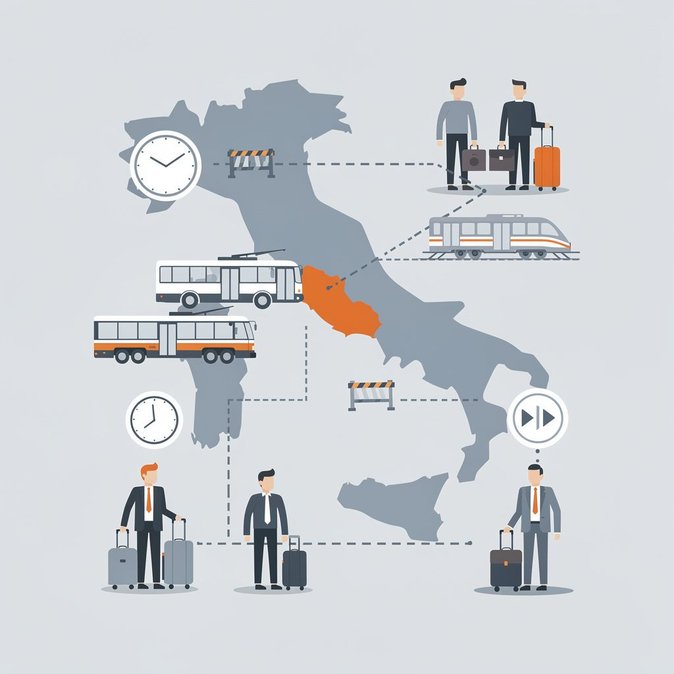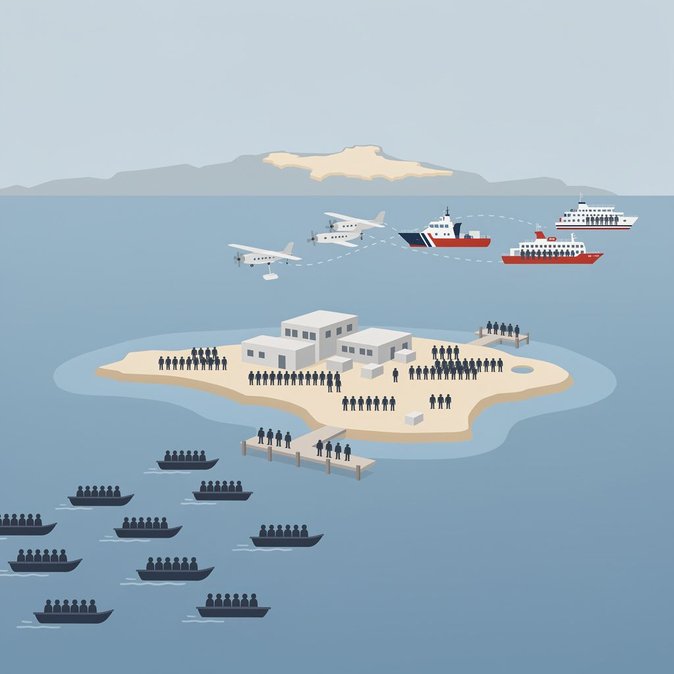
A new spate of boat arrivals pushed the population of Lampedusa’s Imbriacola reception centre above 2,000 in the early hours of 22 September, according to local outlet La Sicilia. Eleven separate landings since midnight added some 219 people to the hotspot, which already held more than five times its official 400-person capacity. The latest groups—originating mainly from Tunisia, Libya and sub-Saharan African countries—were intercepted by Coast-Guard and Finance-Police patrols or reached the island’s beaches unaided. Authorities have activated an emergency transfer plan: two military flights will move 180 migrants to Bologna and Pisa, while the coast-guard vessel Vega will take up to 500 to Reggio Calabria. Additional commercial ferries are scheduled to carry hundreds more to Porto Empedocle for onward dispersal across mainland reception facilities. The Interior Ministry’s Daily Dashboard counted 1,950 people in the hotspot at dawn; prefectural officials aim to reduce that to roughly 100 by late evening to avert another capacity crisis. The intense rotation illustrates Italy’s “hotspot-plus-hub” strategy of rapid triage on Lampedusa followed by redistribution to larger centres, limiting the island’s exposure during peak flows. For mobility planners, the influx has two implications. First, transfers may commandeer ferry berths and charter aircraft seats, tightening capacity on Sicily’s maritime routes. Second, the political spotlight on arrivals keeps pressure on Rome to maintain or extend the extraordinary border controls with Spain and could shape upcoming EU discussions on the migration and asylum pact.
Source: La Sicilia