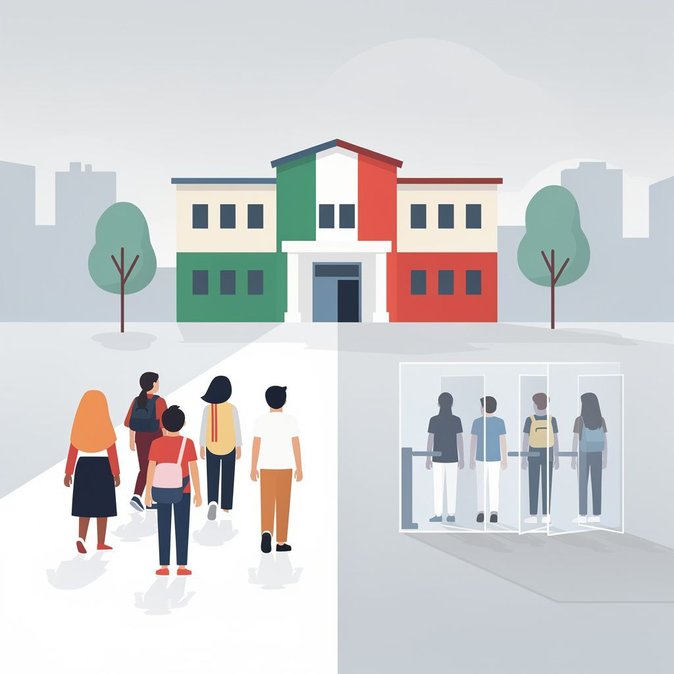
Speaking at the official opening of the school year in Amatrice on the evening of 21 September, Italian President Sergio Mattarella waded into the heated national debate over proposed limits on the number of foreign students per classroom and a ban on face veils in schools. Without naming Prime Minister Giorgia Meloni’s draft bill directly, Mattarella said schools "must prevent the formation of ghettos and break down barriers," underscoring that Article 34 of the Constitution makes education "open to all". The timing is significant: Meloni has pledged to submit the measure to cabinet within days. Critics in the business community, particularly multinational employers with sizeable expatriate families, warn that classroom quotas could complicate relocation packages, especially in smaller towns where international school places are scarce. Italy’s National Association of Head Teachers has already questioned how caps would be enforced without breaching EU non-discrimination rules. If the bill advances, companies may need to arrange private schooling or remote-learning options for employees’ children, adding to assignment costs. Mattarella’s intervention does not carry legislative force, but presidential moral suasion often shapes parliamentary amendments. Mobility managers should track the bill’s progress: an early-October vote in the Chamber of Deputies appears likely, followed by potential constitutional challenges.
Source: ANSA (English edition)