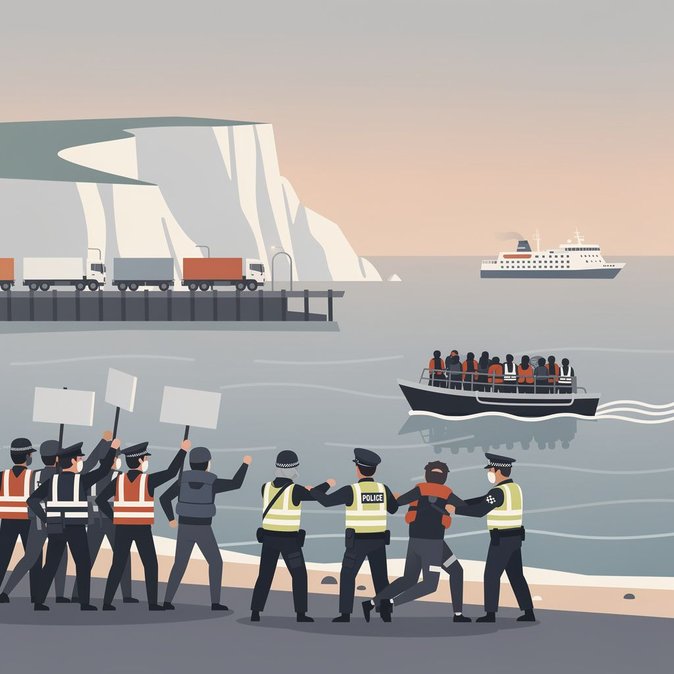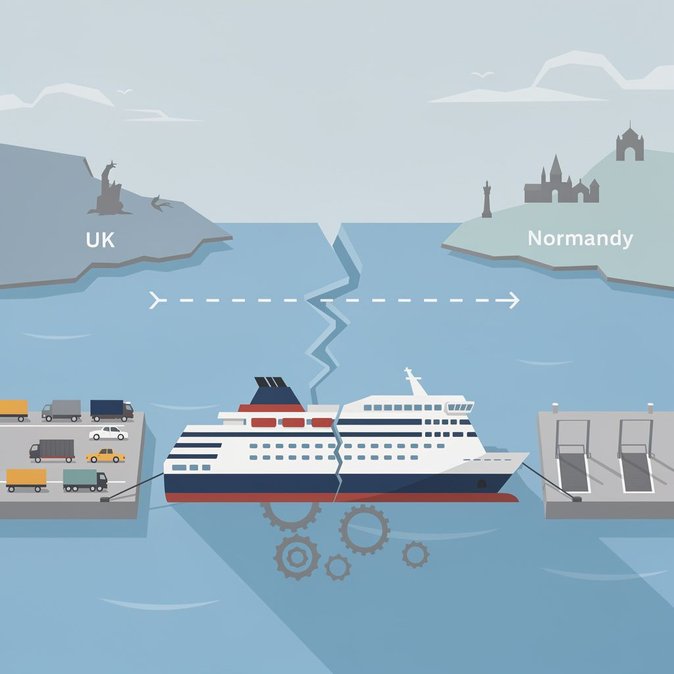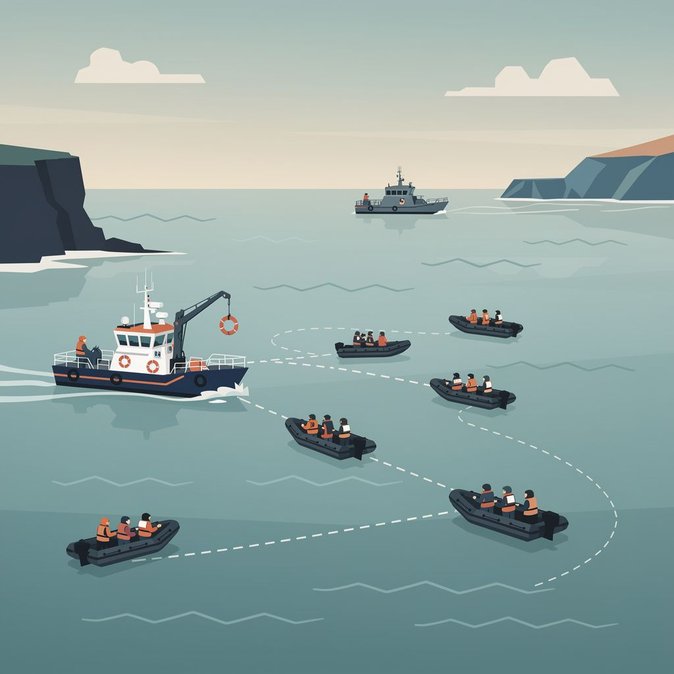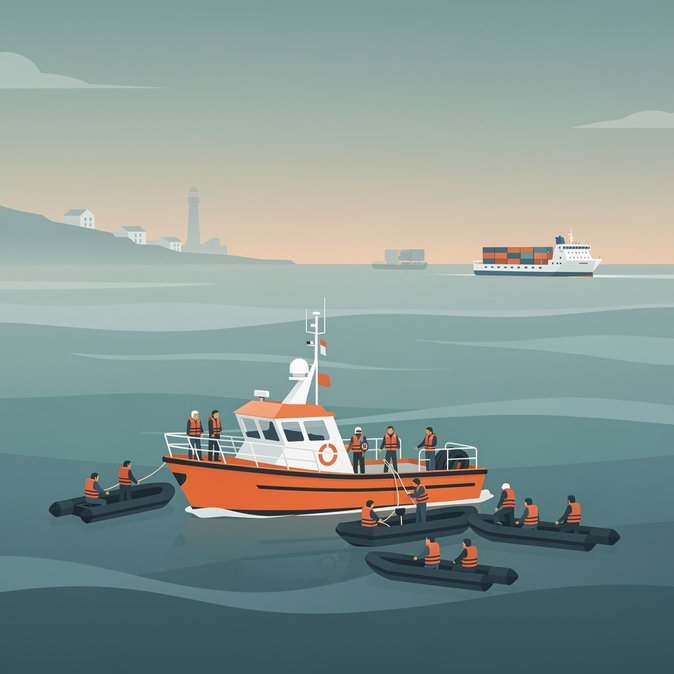
The Préfecture maritime de la Manche et de la mer du Nord reported on 23 September that its rescue units saved 129 people attempting to cross the Channel between 21 and 23 September. The multi-day operation involved the naval tug Abeille Normandie, several SNSM lifeboats and French Navy helicopters after multiple inflatable craft signalled distress near Étaples and Wissant. Officials said many occupants initially refused help, echoing a recent pattern in which migrants accept rescue only when conditions become dire. The prefect warned would-be crossers that “no sea state is safe” for such voyages and reiterated France’s commitment to the SOLAS convention requiring assistance at sea. For mobility and relocation teams, the rescue highlights growing humanitarian and legal complexities on France’s northern coast. Increased patrols may spill over into stricter identity checks on nearby highways and rail hubs—areas frequented by business travellers moving between Paris, Lille and London. Shipping and logistics operators should also anticipate temporary traffic exclusion zones when large-scale rescues are underway; French maritime authorities routinely restrict commercial traffic to give search-and-rescue craft clear lanes. The operation adds to pressure on Paris to negotiate updated funding with London for coastal surveillance ahead of the autumn budget season, a point corporate lobby groups say could influence future customs-post staffing levels at Calais and Dunkirk.