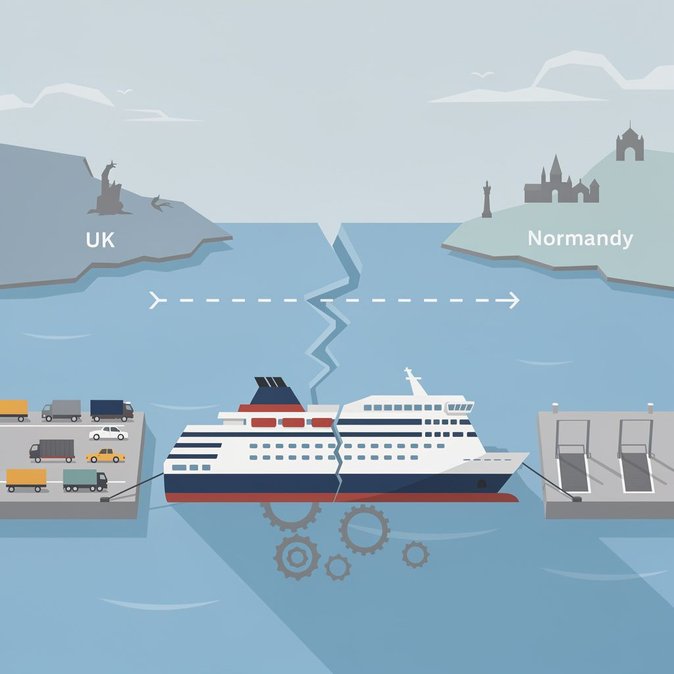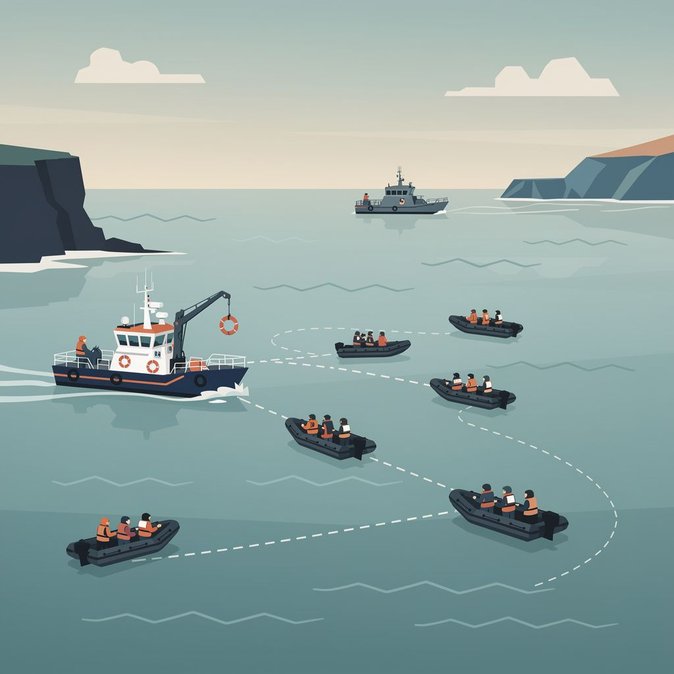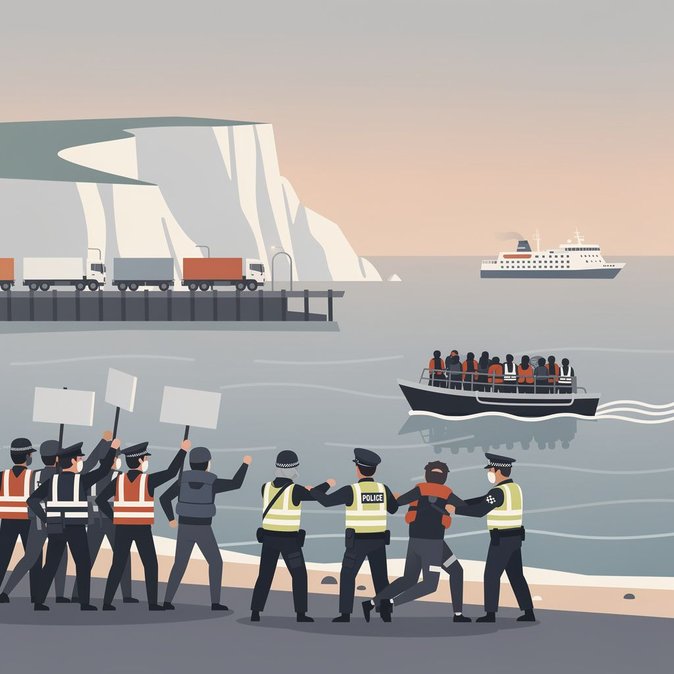
Tensions on both sides of the Channel flared again on 23 September when around 200 anti-immigration demonstrators gathered on England’s south coast as a small boat carrying 51 migrants made landfall in Dover after a perilous 36-hour crossing from the French coast. Six protesters were arrested after clashes with police, underscoring how irregular sea crossings have become a lightning-rod issue in British domestic politics. For France, the episode is a reminder that despite reinforced beach patrols and maritime surveillance, departures continue—often from ever-more-western points where enforcement is thinner. French maritime authorities said the occupants of the boat had refused assistance during most of their journey, demonstrating what officials call the “all-risks determination” of migrants to reach the UK. Corporate mobility managers should expect periodic spikes in border checks at Dover and Calais as London and Paris come under public pressure to curb crossings. Longer processing times for freight drivers and business travellers on peak days are likely, especially when coupled with the gradual rollout of the EU’s biometric Entry/Exit System (EES). Companies moving staff between the UK and France should build extra buffer time into itineraries and monitor protest calendars on both shores. Insurance providers are also warning clients to review coverage for employees who may be delayed or diverted by civil-order incidents near ports and embarkation beaches. In the medium term, analysts do not expect the UK’s Rwanda policy or France’s increased beach patrols to fully deter crossings; instead, the trend is towards larger, more crowded dinghies and new launch points—factors that heighten safety risks and litigation exposure for transport operators.
Source: Euronews