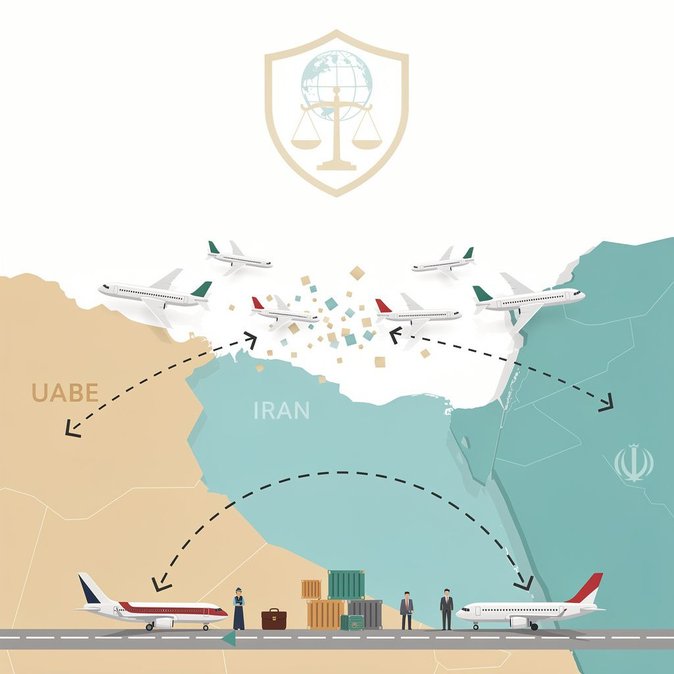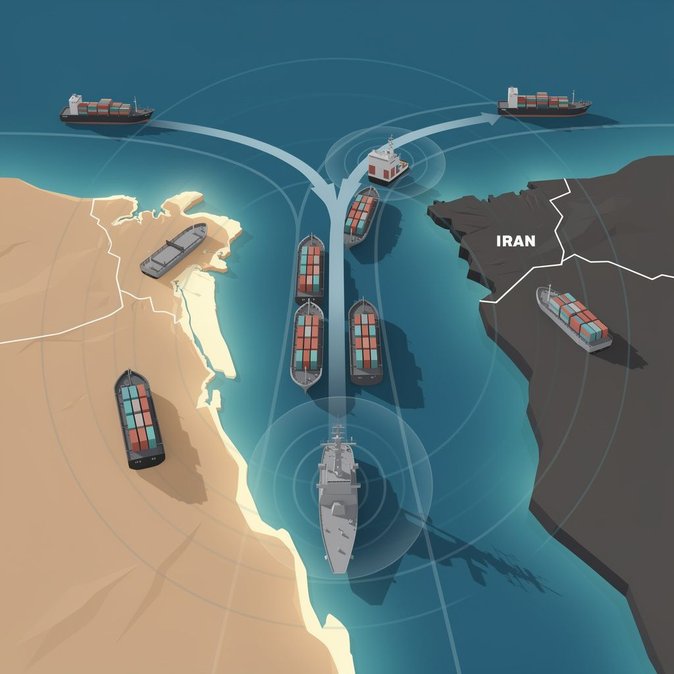
Dubai Customs has lengthened the temporary suspension period for customs duties on qualifying import declarations from 120 days to 180 days, effective 24 September. The move, spelled out in a new customs announcement, covers goods destined for re-export, items under temporary admission and all categories of transit cargo whose duty-suspension period was due to expire after 27 February 2026 and before 31 October 2026. The extension is designed to ease cash-flow pressure on traders and logistics operators grappling with higher insurance premiums and freight rates triggered by regional conflict. By allowing companies an extra two months before duty becomes payable—or goods must be re-exported—authorities hope to prevent congestion in free-zone and bonded warehouses and keep supply chains fluid. For multinational supply-chain managers the practical upside is immediate: shipments held up by vessel rerouting or port delays at Jebel Ali no longer risk breaching duty-suspension deadlines. Companies should, however, confirm eligibility with their clearing agents; declarations must have been approved under existing temporary-import provisions. Dubai Customs indicated further extensions could follow if disruption persists, signalling a flexible stance similar to measures introduced during the pandemic. The announcement dovetails with the emirate’s wider pivot toward trade facilitation—earlier rounds of duty-instalment plans and fine reductions saved private firms AED 79 million this year alone. Analysts say the latest move keeps Dubai competitive against regional free zones such as Saudi Arabia’s King Salman Energy Park, which is also courting re-exporters with tariff holidays. Finance and tax teams should update internal cash-flow forecasts, while mobility managers overseeing temporary import of project equipment—common in energy and construction assignments—should align project timelines with the new 180-day window.
Source: Gulf News