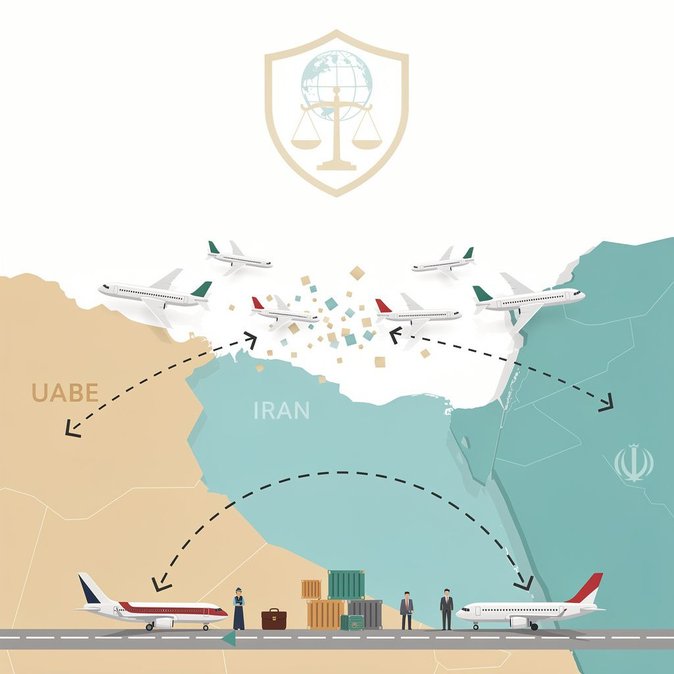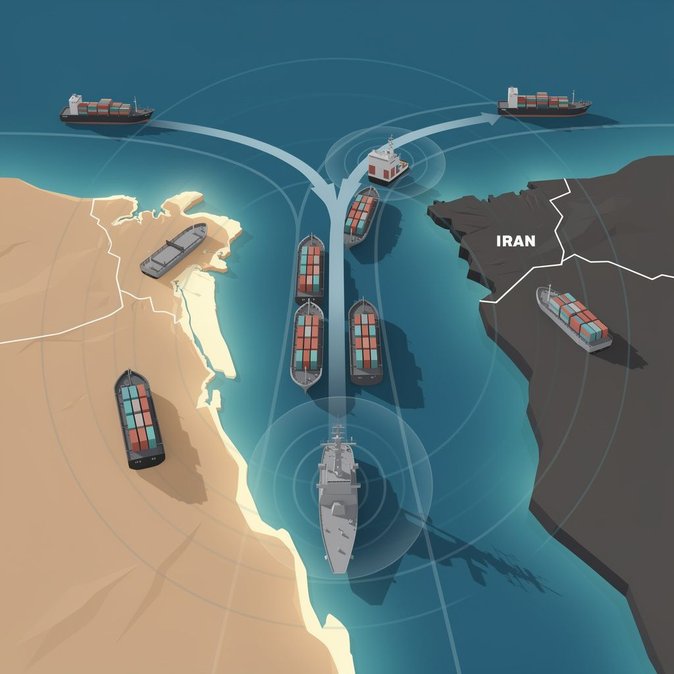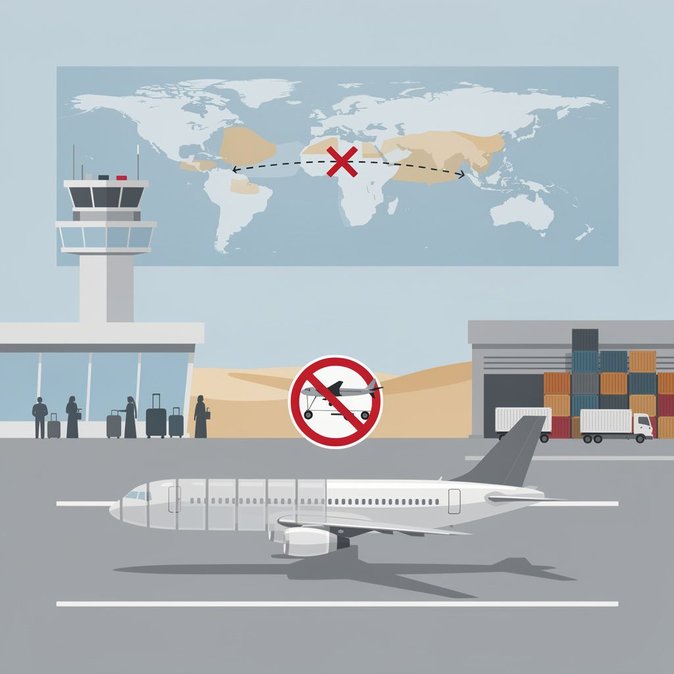
The UAE’s General Civil Aviation Authority (GCAA) has ordered an immediate suspension of all flights operated by Iranian carriers to and from the Emirates, effective the evening of 24 September 2026. The move follows fresh U.S. secondary-sanctions warnings that service providers refuelling or handling Iranian aircraft risk exclusion from the dollar system. The GCAA said the decision is “precautionary and regulatory”, adding that it will “continue to keep the relevant authorities and the public informed of any developments pending the resumption of normal air traffic between the two countries.” No timeline for lifting the suspension was given. Practically, the order grounds roughly 140 weekly services linking Tehran, Shiraz, Mashhad and Isfahan with Dubai, Abu Dhabi and Sharjah. Although UAE-based airlines are not affected, many interline itineraries and cargo consignments rely on Iranian operators for the first or last leg; forwarders now face costly re-routing via Doha, Istanbul or Kuwait City. UAE airports have set up dedicated help-desks to rebook affected passengers and advise on visa issues for those forced into extended layovers. Corporate mobility managers should alert transferees and project teams with ongoing travel to Iran or neighbouring hubs. Short-term assignees whose entry permits are date-specific may need urgent amendments; overstays in the UAE incur fines of AED50 per day. Employers also need to review goods-in-transit clauses in insurance policies, as the rerouting of time-sensitive shipments such as oil-and-gas spares could trigger contract penalties. The suspension underscores how quickly geopolitical risk can cascade into operational disruption. Multinationals with mobility programmes in the Gulf are advised to keep employee-travel approvals and contingency routings under constant review, and to brief staff on using official channels for updates rather than social media rumours.
Source: The National / Gulf News