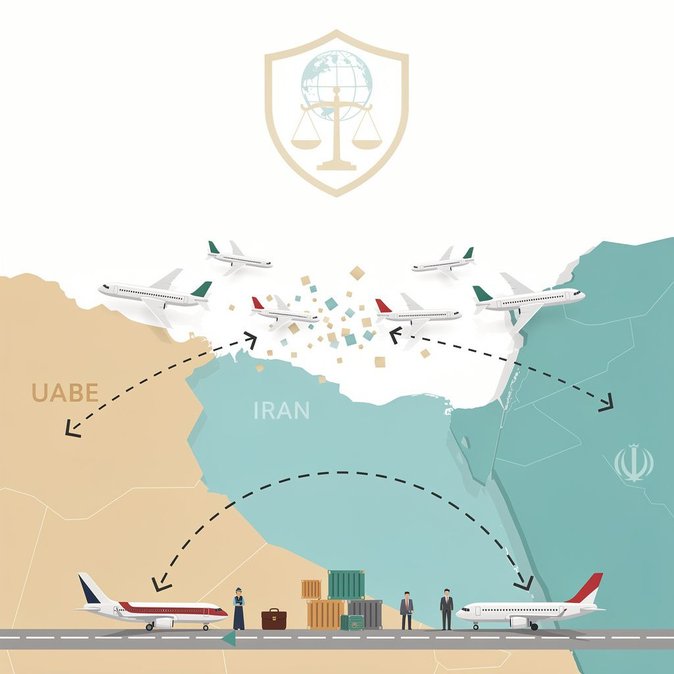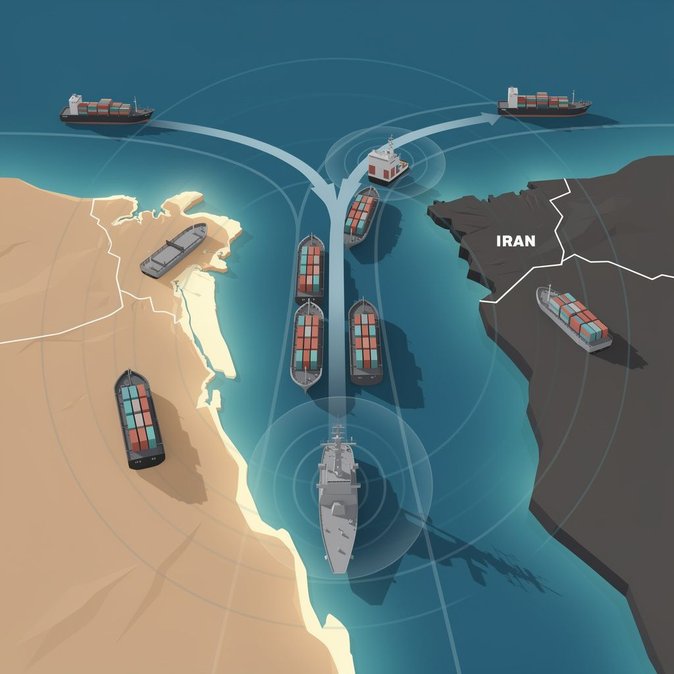
Geopolitical strains between the United States and Iran intensified on 24 September as US Central Command confirmed it has diverted 115 commercial ships away from the Strait of Hormuz since 23 September while enforcing what Washington calls its “steel-wall blockade” on Iran. The figure underscores the scale of maritime disruption facing Gulf economies, notably the UAE, whose energy exports and containerised imports depend heavily on the chokepoint. The diversions follow a week of missile exchanges involving Iran-aligned Houthis and Saudi air defences and come amid fresh warnings from Tehran that the conflict could spill into the Indian Ocean. Diplomats from both sides are holding indirect talks in New York, but no cease-fire has been reached. For UAE businesses the implications are twofold. First, shipping lines are already imposing war-risk surcharges of up to US$65 per twenty-foot equivalent unit (TEU) on cargo routed via Hormuz, a cost likely to filter down to importers and consumers. Second, energy-sector assignees may face project delays as resupply vessels take longer routes around Omani waters or await naval escorts. Mobility managers should adjust relocation timelines and advise staff on potential flight and cargo delays if escalation continues. The UAE government has not imposed new domestic restrictions, but officials are monitoring developments closely. A prolonged blockade could test recently extended customs-duty suspension schemes and accelerate the country’s push to diversify logistics corridors, including the India-Middle East-Europe Economic Corridor (IMEC) rail-and-port network announced at the G20. Companies are urged to maintain active dialogue with freight forwarders, review marine-insurance clauses and ensure crisis-communication plans cover both maritime and aviation contingencies, as airspace advisories over the Gulf remain in effect.
Source: Gulf News