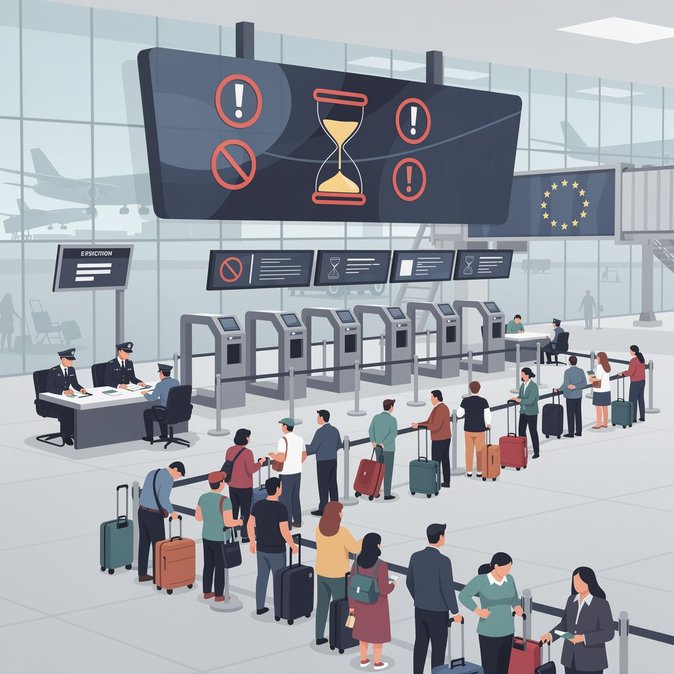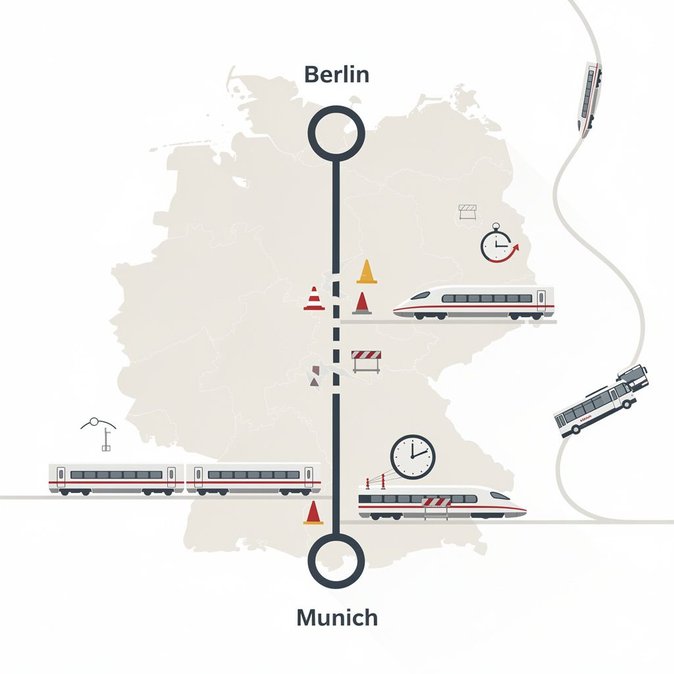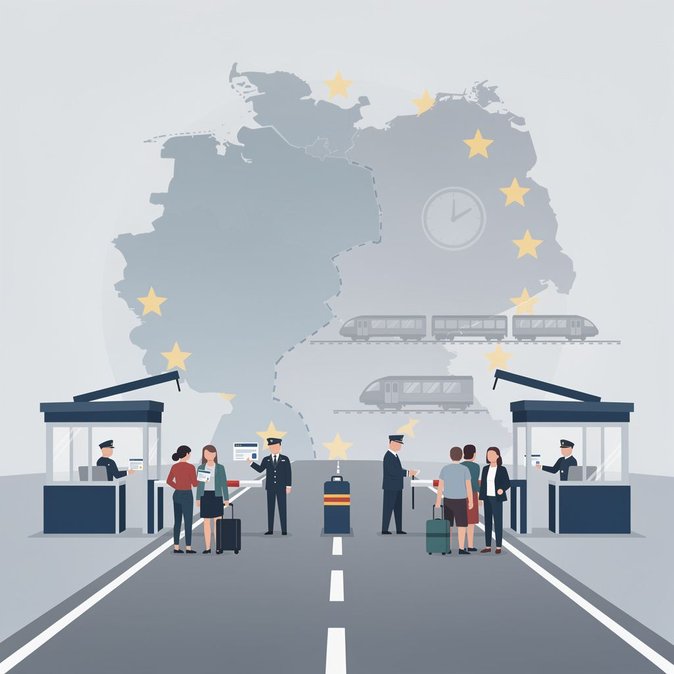
Fresh data published by the European Commission’s Schengen portal on 23 September 2026 confirms that Germany has notified Brussels of a further six-month extension of internal border controls, valid from 16 September 2026 to 15 March 2027. The measure, covering all land frontiers with Austria, the Czech Republic, Poland, Switzerland, France, Luxembourg, Belgium, the Netherlands and Denmark, is justified by Berlin on grounds of “continued serious threats to public security” from irregular migration and smuggling networks. Although spot checks rather than full closures are envisaged, travellers should expect longer waiting times, especially on the Austrian and Polish borders that account for the bulk of recent irregular entries. Business passengers are advised to carry passports or national ID cards even on intra-Schengen flights and rail services, as police identity inspections have become more frequent. Companies operating shuttle buses for cross-border commuters may need to adjust timetables. The extension keeps Germany aligned with Austria, Sweden, Denmark and Poland, which have all prolonged internal controls. Critics in the European Parliament argue the rolling renewals violate the spirit of the Schengen Code, but a comprehensive reform stalled in Council earlier this year. For now, the Commission merely “takes note”, reflecting limited appetite to confront member states while asylum numbers remain high. Global-mobility teams should alert employees transiting Germany en-route to other EU destinations that impromptu document checks could disrupt tight connections. Non-EU residents holding German or other Schengen residence permits remain entitled to cross borders, but must present proof of status when asked. Carriers have so far not re-introduced systematic checks before boarding, yet may do so on high-risk routes if spot fines for transporting undocumented migrants rise.