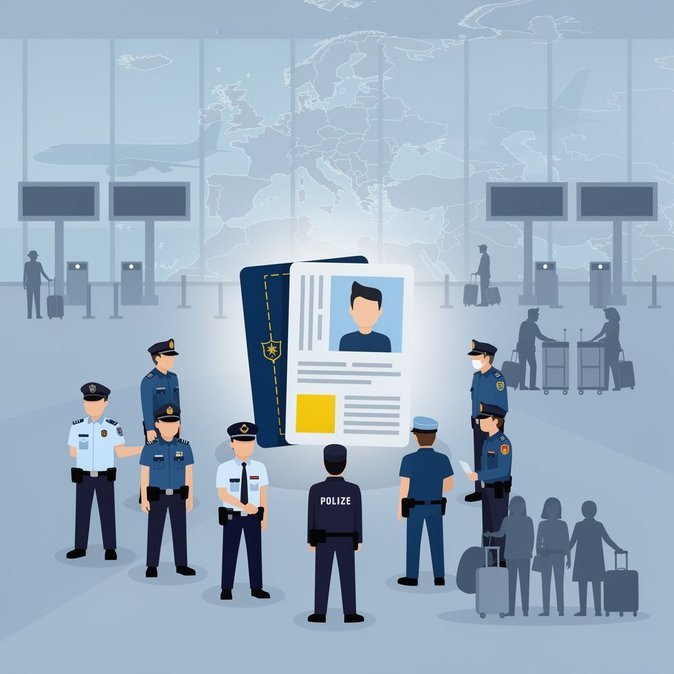
A coordinated law-enforcement operation across four countries on 24 September led to the arrest of six suspects accused of flying migrants through Schengen airports—including Brussels Airport—using counterfeit documents. According to investigative platform 2EU, police in Austria, Italy, Spain and the United Kingdom carried out ten house searches, seizing hundreds of fake passports and electronic devices. Belgian investigators had supplied intelligence after spotting forged Belgian residence permits in previous seizures. Europol, which deployed experts from its Centre Against Migrant Smuggling, said the network combined document forgery, money laundering via mobile-phone shops and the orchestration of commercial-flight bookings to move clients from mainland Europe to the UK. One Spanish cell allegedly distributed more than 1,000 fake IDs, while another Vienna-based group handled cash flows estimated at over €2 million. The bust highlights the persistent vulnerability of hub airports such as Brussels, Frankfurt and Madrid, where intra-Schengen transit areas allow passengers to change planes with minimal additional screening. Belgian border police have long argued for more “second-line” interviews of travellers holding recently issued third-country passports. From a corporate-mobility perspective, the case may prompt carriers and airport authorities to tighten verification of boarding-pass names against EES biometrics, potentially increasing document checks at gates. Companies moving staff on day trips through multiple Schengen airports should expect occasional additional ID verification and factor longer connection times into itineraries. EU Justice and Home-Affairs ministers will review the case at their October council meeting, where Belgium is expected to back proposals for a shared database of lost and stolen residence cards to complement the existing SIS alerts.
Source: 2EU Brussels