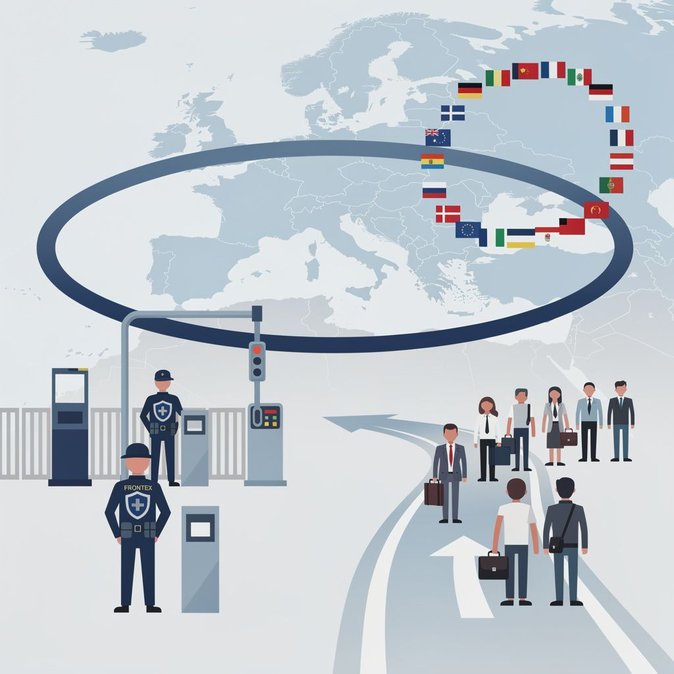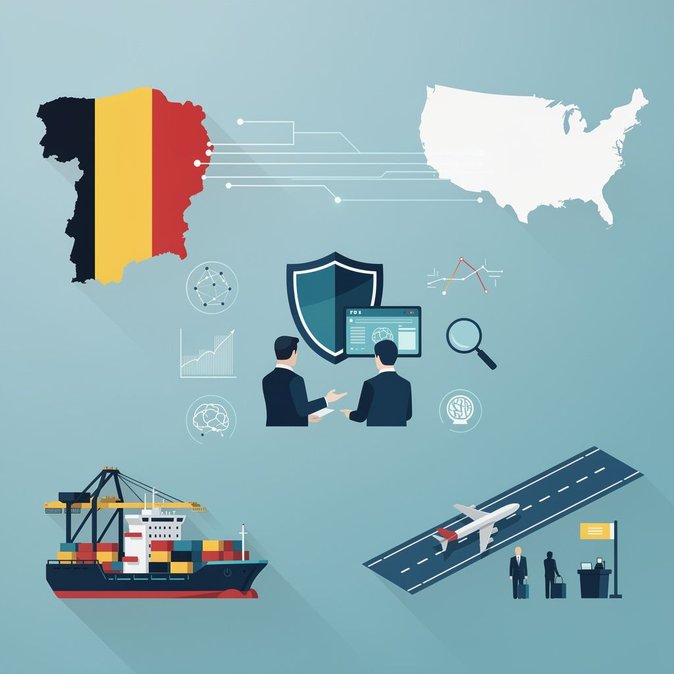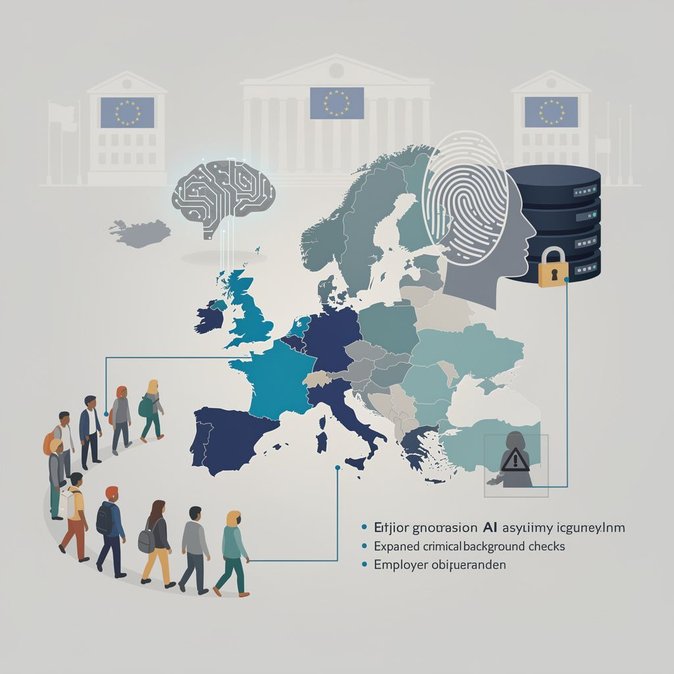
Barely three months after the EU Pact on Migration and Asylum entered into application, national governments are already discussing a “Pact 2.0”. A detailed report on 25 September revealed that representatives from about 18 EU member states, Belgium among them, will use this weekend’s Munich Migration Meeting to explore a follow-up legislative package aimed at simplifying screening, expanding the Eurodac biometric database and allowing the use of artificial intelligence during asylum procedures. According to the leak, capitals want the European Commission to table concrete amendments by mid-2027. Proposals on the table include collecting more data during border screening, feeding that data into Eurodac and facilitating withdrawal of protection after certain criminal convictions. Belgium – which has struggled with rising asylum caseloads and accommodation shortages – is expected to support moves that speed up procedures but will have to balance efficiency with legal safeguards required under the EU’s forthcoming AI Act. For Belgian employers, the debate matters because faster screening and better data-sharing could shorten processing times for humanitarian visas and family-reunification applications that often entangle international hires. However, wider biometric requirements and AI-driven risk assessments may bring stricter documentation standards, higher compliance costs and new privacy-impact assessments for companies that collect employee data to support visa files. Stakeholders should closely track how AI will be classified. Under the EU AI Act, most migration-related systems are deemed “high-risk”, triggering obligations for data quality, human oversight and auditability. If Belgium adopts AI-supported decision tools ahead of the 2027 deadline, employers and relocation providers may be asked to supply machine-readable evidence (e.g., verified work contracts) and to respond rapidly to automated verification requests. The bottom line: a second legislative round is coming. Global mobility teams should engage now with Belgian industry associations and EU consultations to ensure that efficiency gains do not come at the expense of transparency and travellers’ rights.
Source: The European Times