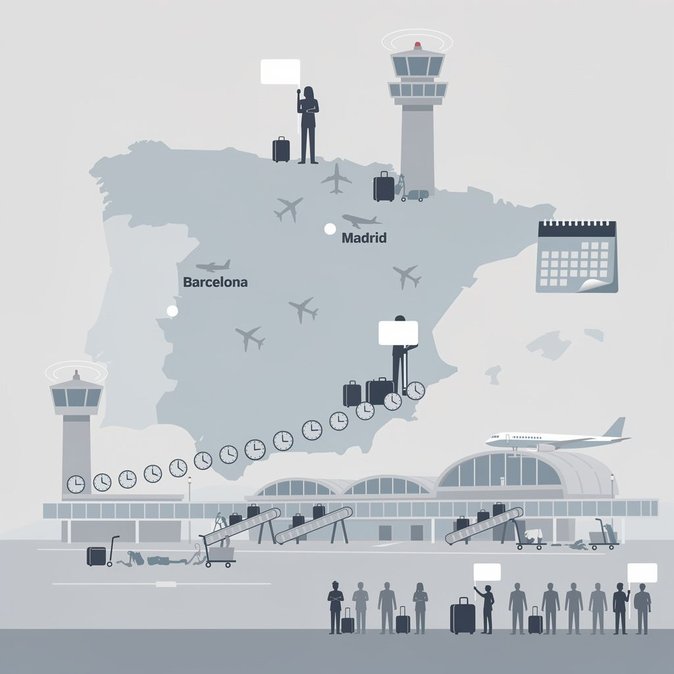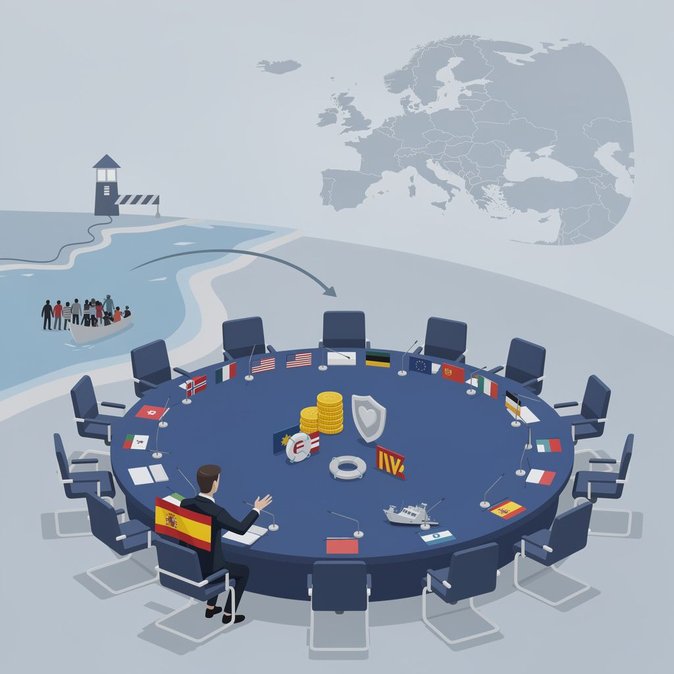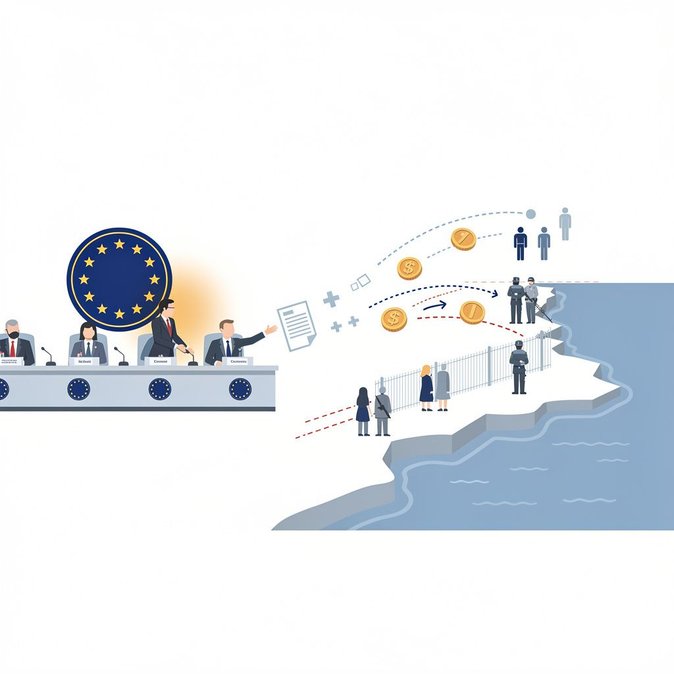
Speaking in Luxembourg at the 1 October Justice and Home Affairs Council, Interior Minister Fernando Grande-Marlaska delivered an unusually blunt appeal for “operational, financial and political solidarity” from his 26 EU counterparts. It was his first face-to-face appearance at the Council after the dramatic 30-31 July mass entry of an estimated 75,000 migrants into the Spanish enclave of Ceuta, an event that forced Madrid to declare a national-security emergency and to re-introduce temporary Schengen controls in ports and airports. Marlaska reminded ministers that Spain’s rapid mobilisation—chartering 240 repatriation flights to Morocco and deploying 3,200 additional Guardia Civil officers—had contained the crisis inside Ceuta. “Not a single migrant reached another Member State,” he stressed, countering an early-August joint letter from 22 capitals that criticised Spain’s preparedness. Yet, he warned, the operation is costing Spain €43 million per month in policing, accommodation and asylum processing. The minister urged the EU to activate the still-dormant Solidarity Pool foreseen in the 2024 Migration Pact, arguing that southern border states should not have to finance crisis response alone. He also called for faster deployment of Frontex standing corps and emergency funds, noting that Spanish airports will start Entry/Exit System (EES) biometric checks on 12 October and will need extra staff. For corporate mobility managers the message is two-fold: Spain remains committed to keeping the Schengen area open for business travel, but further border-control extensions are likely through at least mid-October while Brussels debates assistance. Travellers should budget extra time for outbound passport inspection at Spanish ports and airports, and companies relocating staff to Spain may face slower residence-permit adjudication as resources are diverted to Ceuta. Looking ahead, Madrid will submit a formal solidarity request to the Commission within ten days; a positive response would mark the first real-world test of the Migration Pact’s crisis-mechanism and could establish an EU funding precedent for future border emergencies.
Source: El País