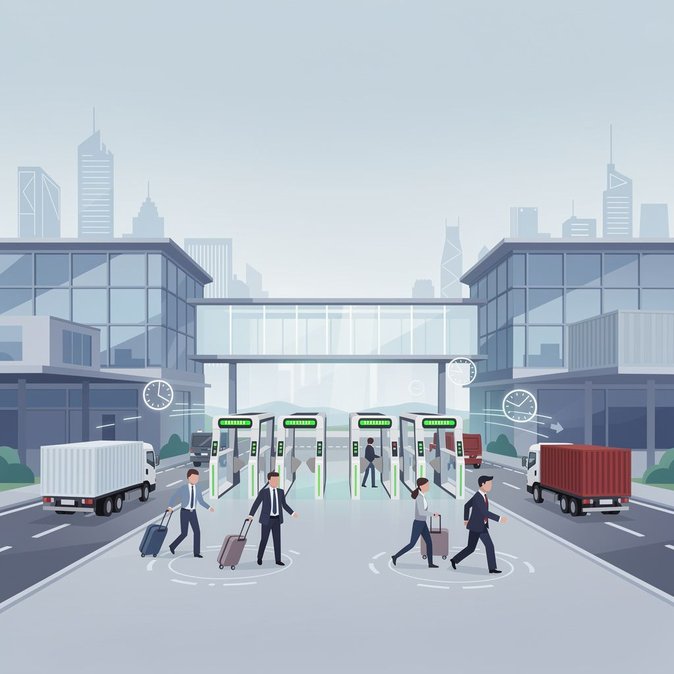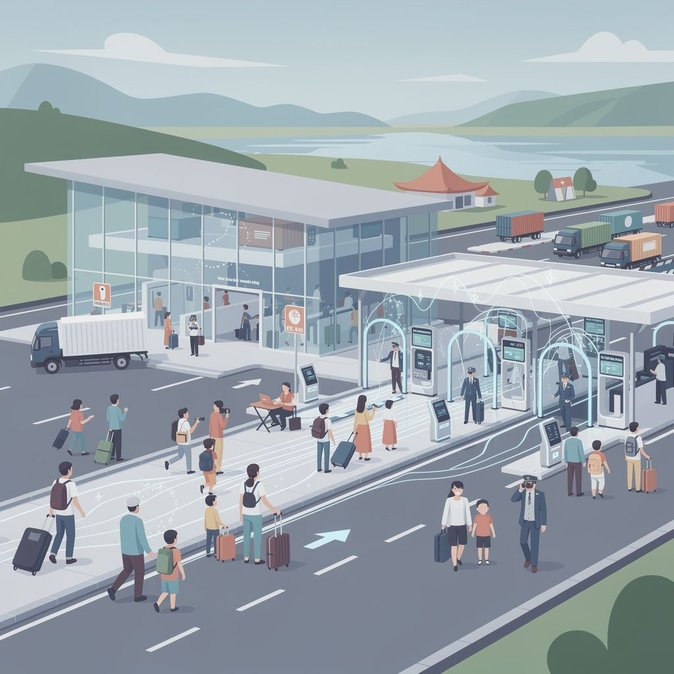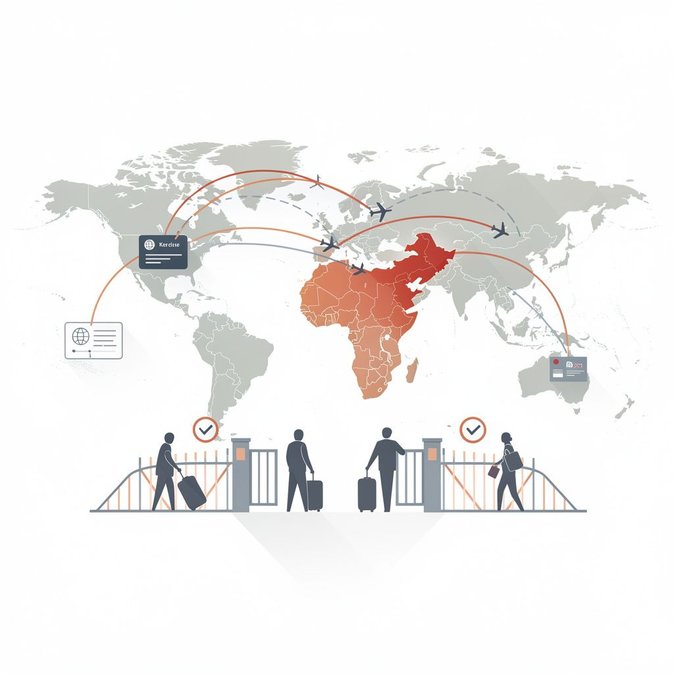
The seven-day National Day “Golden Week” has long been China’s busiest domestic travel period, but this year it has also become a bell-wether for the country’s renewed international mobility. According to figures released on 7 October by the National Immigration Administration and reported by Xinhua, inbound and outbound traffic during the just-ended Mid-Autumn Festival rose 16.8 per cent year-on-year, with the number of foreign visitors climbing nearly 38 per cent. Crucially, more than one-third of those foreign arrivals entered on some form of visa-free arrangement, taking advantage of Beijing’s rolling programme of unilateral and reciprocal waivers and the recently-extended 240-hour transit-without-visa regime. Airlines are responding quickly. China Southern says its Melbourne–Beijing load factors topped 90 per cent over the holiday, while new direct flights such as Beijing–Zagreb and the Laos-linked international segments of the China–Laos Railway are reporting strong bookings. Travel agents in Croatia and Brazil told reporters that Chinese arrivals are already back to—or in some cases above—pre-pandemic levels, helped by easier e-visa payment options and the rapid rollout of UnionPay QR acceptance abroad. From the Chinese side, outbound demand is equally buoyant. Package-tour operators report that Europe, South America and Australia are the fastest-rebounding long-haul destinations, thanks to 30-day visa-free stays now available to 50 countries. State media highlight examples such as Chinese tourists riding the cross-border train from Yunnan’s Mohan checkpoint into Laos, or exploring literary landmarks across the United Kingdom. Analysts say the breadth of destinations illustrates a decisive shift from “sight-seeing” to “experience-seeking” travel. Policy makers see mobility as a lever for growth. Since 2025 Beijing has added or extended visa waivers for more than 30 nations and replicated 24-hour “direct transit” procedures at ten additional international airports. Immigration authorities credit those measures with delivering 23.7 million visa-free arrivals in the first eight months of 2026—up 26.8 per cent year-on-year—and say further digitalisation of entry cards and accommodation registration is planned for 2027. For companies, the take-away is clear: travel to, from and within China is normalising faster than many forecast at the start of the year. Firms sending executives or project teams should reassess travel budgets and ensure staff understand the new visa-free eligibility lists, the 240-hour transit rules and airport e-gate registration. Destination marketing organisations, meanwhile, have a narrow window to capture Chinese outbound demand before the 2027 World Expo in Shanghai drives prices higher.
Source: Xinhua News Agency