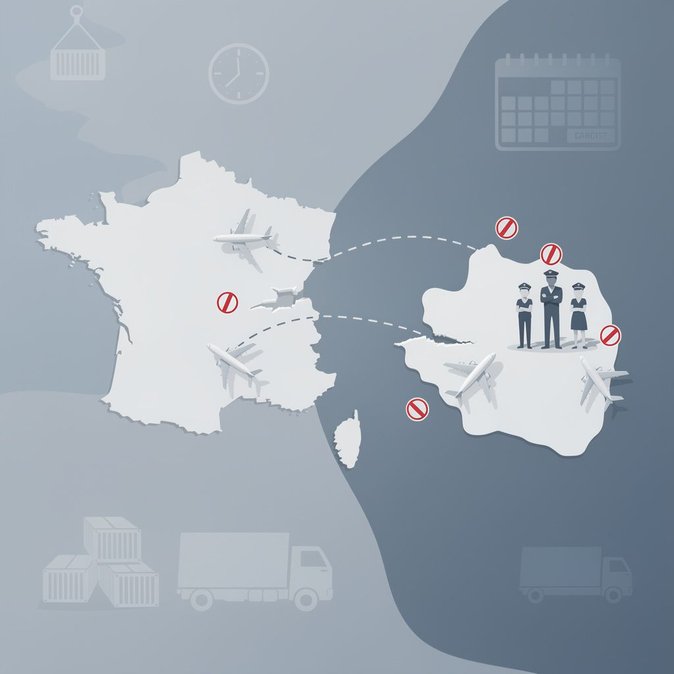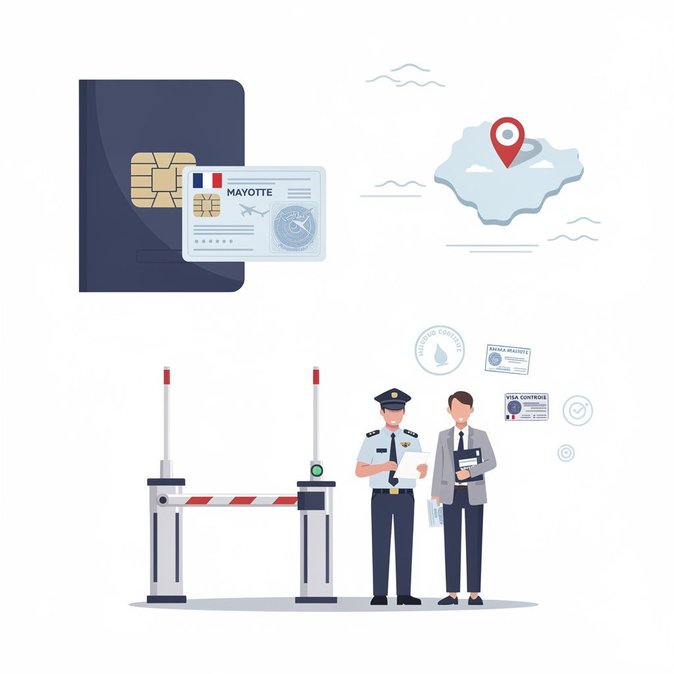
In a quiet but significant legal update published on October 9 2026, the French government amended the long-standing Arrêté of 4 February 2015 that governs which documents and visas are accepted for entry to the overseas department of Mayotte. The revised text, released in the Journal officiel and logged by legal-tracking site Senatum, introduces several stricter conditions that business travellers, tourists and assignees must meet before boarding a flight to the Indian-Ocean territory. First, passports must now be valid for at least three months *after* the planned departure date *or*—for travellers holding a long-stay visa—three months beyond the visa’s expiry. The document also may not be more than ten years old and must contain at least two blank pages. Second, the decree clarifies that any visa for Mayotte will be issued on an individually numbered biometric vignette whose territorial validity (“Mayotte only”) is printed on the sticker. Holders of Schengen short-stay visas should note that time spent in Mayotte will count toward the 90/180-day rule **only within Mayotte**; overstaying there could trigger penalties even if the traveller remains under the Schengen limit elsewhere. Third, border-crossing formalities have been tightened. All travellers—including cruise passengers and private-aviation crews—must present themselves at one of the designated control points listed in Annex I. While the text allows border guards to “temporarily relax” checks in case of exceptional traffic peaks, it makes clear that passport stamping on both entry and exit remains compulsory. Companies moving staff or equipment through Mayotte should therefore build extra time into connection schedules. Finally, the order reiterates that short-stay visas do not authorise stays longer than 90 days in any rolling 180-day period, and it re-emphasises that a visa bearing the legend “Mayotte” is valid **only** for that territory—neither mainland France nor other French overseas collectivities. Multinational employers who rotate technicians through Mayotte for telecom, mining or development projects will need to check whether staff also require separate Schengen, Réunion or mainland work permits. In practical terms, travel managers should update invitation letters, ensure that passports meet the new ten-year rule, and brief travellers that overstays—even unintended—may now be flagged automatically when Mayotte integrates with the EU Entry/Exit System in 2027. French border police are expected to begin strict enforcement in the coming days, so companies with short notice trips should verify documentation immediately.
Source: Senatum (via Journal officiel)