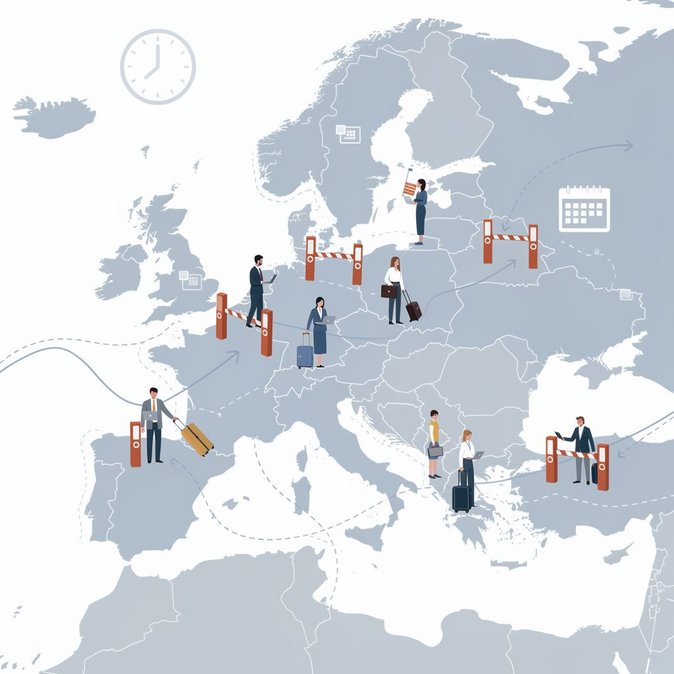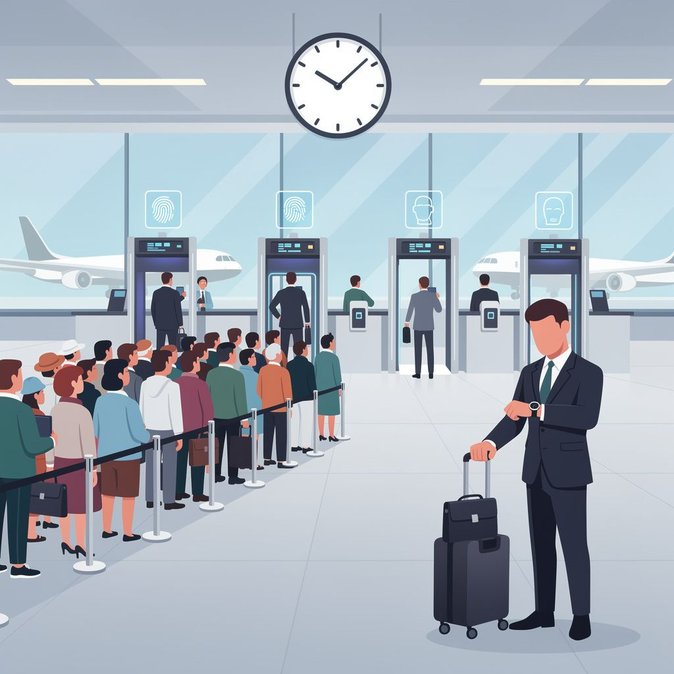
Crowd-sourced analytics site QSensor reported on 8 October 2026 that average passport-control queues at Paris Charles-de-Gaulle airport (CDG) reached 37 minutes during the morning peak, roughly 15 minutes longer than the same day last year. The spike comes just days before the first wave of autumn-break departures and suggests that the gradual rollout of Europe’s Entry/Exit System (EES) continues to strain border resources even before full biometric capture becomes mandatory for all third-country nationals next April. Terminal 2E—hub for Air France’s long-haul partners—saw the longest waits, with lines occasionally stretching back to the arrivals escalators. Airport operator ADP temporarily redirected passengers to secondary control booths, but staffing shortages limited throughput. Parafe e-gates, which remain open for EU and certain biometric-passport holders, processed roughly 55 % of eligible travellers, according to the live feed. For corporate travel managers the message is clear: build at least one hour into arrival schedules for non-EU employees transiting CDG and warn assignees that first-time EES registration in 2027 is likely to add further time. Airlines are already adjusting minimum connection times for long-haul-to-Schengen transfers from 60 to 75 minutes in winter timetables. ADP says it will add 30 new automated kiosks in T2F before Christmas and hire 120 extra border-police auxiliaries, but unions argue that the measures will barely keep pace with traffic growth. Until then, real-time queue-tracking tools such as QSensor or the airport’s own “Mon Vol” app remain the best way for travellers to avoid missing rail or onward flight connections.
Source: QSensor live dashboard