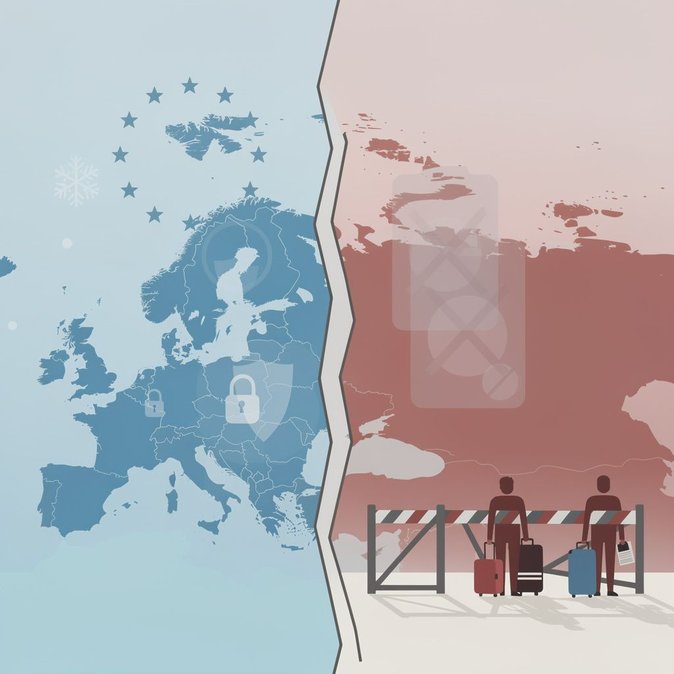
Finland’s Prime Minister Petteri Orpo confirmed on Sunday, 11 October 2026, that Helsinki will ask the European Council to stop issuing Schengen tourist visas to citizens of the Russian Federation. The proposal will be formally tabled at the EU leaders’ summit in Brussels on 15–16 October. Speaking to Finnish journalists en-route to the European Political Community meeting in Granada, Orpo argued that Russia could exploit visa-free travel to organise sabotage operations inside the EU. Finland already shut down all eight of its land border crossings with Russia in December 2023 and halted the issuance of new tourist visas to Russians in September 2022. Those unilateral measures, however, do not prevent Russian nationals from entering Finland—or any other Schengen state—via third countries. Under current rules, a Russian tourist who receives a Schengen visa from, for example, Italy can still fly into Helsinki and move freely across internal EU borders. Orpo said this loophole is “no longer acceptable” in the light of what Finnish intelligence describes as an increased risk of state-sponsored sabotage across Northern Europe. Finland’s initiative is expected to reopen a heated debate among EU members about collective security versus people-to-people contacts. Baltic states and Poland have long favoured a blanket ban, while countries such as Germany, France and Greece have stressed the importance of keeping channels open to Russian civil society. European Commission officials told reporters that any new restriction would likely require unanimity in the Council and a formal amendment to the Schengen Visa Code. For multinational companies operating in Finland, the announcement signals that the country will maintain a hard line on travel from Russia for the foreseeable future. Corporate security managers should review workforce mobility plans that involve Russian passport-holders, especially assignments that rely on Schengen multiple-entry visas. Travel managers are also advised to monitor potential retaliatory measures by Moscow, which could affect overland freight flows via the Finnish–Russian border and air-rights arrangements on Siberian overflights. Although the proposal specifically targets leisure travel, business and family-reunification visas could face stricter scrutiny as collateral. Legal experts note that EU law allows humanitarian exemptions, but processing times may lengthen significantly if all Russian applications require enhanced security screening. Companies with critical Russian staff may want to initiate residence-permit applications—rather than short-stay visas—to minimise disruption.
Source: Korrespondent.net