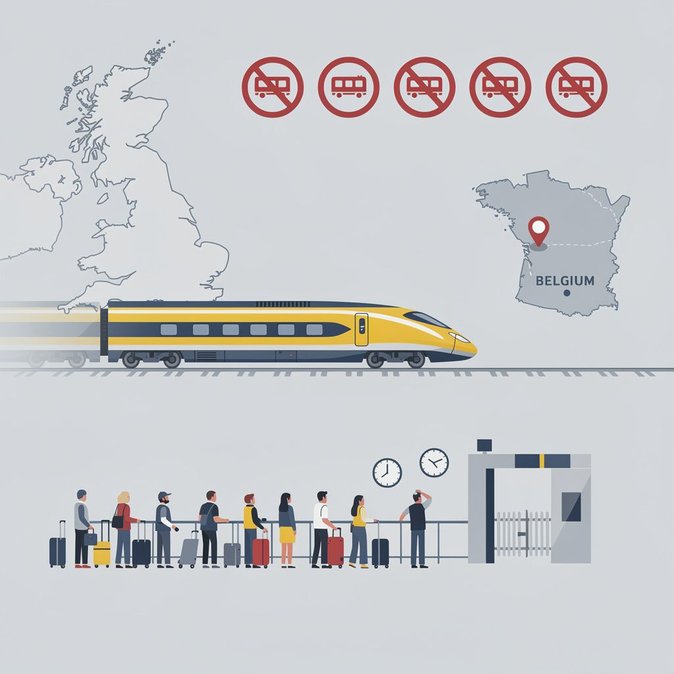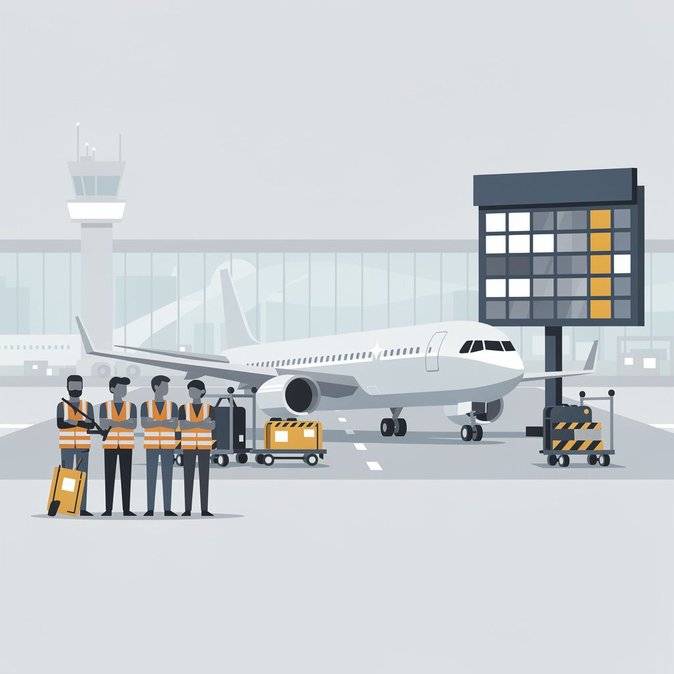
On the eve of Belgium’s public-sector strike, Brussels Airport issued an 11 October notice predicting that up to 140 flights handled by ground-service provider Alyzia might be cancelled if staff participated in the protest. The advisory followed a similar Alyzia-related walk-out on 9 October that forced airlines to trim schedules and left thousands of passengers rebooking. Although the airport later clarified that core airside operations were expected to run normally on 12 October, the initial alert demonstrated how industrial actions in peripheral services can quickly cascade into flight cancellations. Airlines including Air France-KLM and easyJet placed voluntary rebooking waivers on Belgian routes through 13 October. Global-mobility programmes with time-critical travel into Brussels were advised to check flight status repeatedly and consider rerouting via Amsterdam or Paris. Companies with large group movements, such as training rotations, split travellers across multiple airlines to spread risk. The incident underscores the importance of understanding which handling agent serves a given carrier and how that maps onto local labour disputes. Travel managers are increasingly adding “ground-handler” fields to internal booking tools to facilitate rapid response when strikes are announced. Belgium’s aviation unions have hinted at further actions linked to budget negotiations, suggesting that strike-driven flight caps could recur during the year-end holiday peak.
Source: Aviation24.be